Kwatra: Indus Treaty Abeyance Reflects Pakistan's Hostility — SkimNews
Get the Geopolitics newsletter
Daily geopolitics — wars, elections, sanctions, the diplomatic moves that move markets. Free.
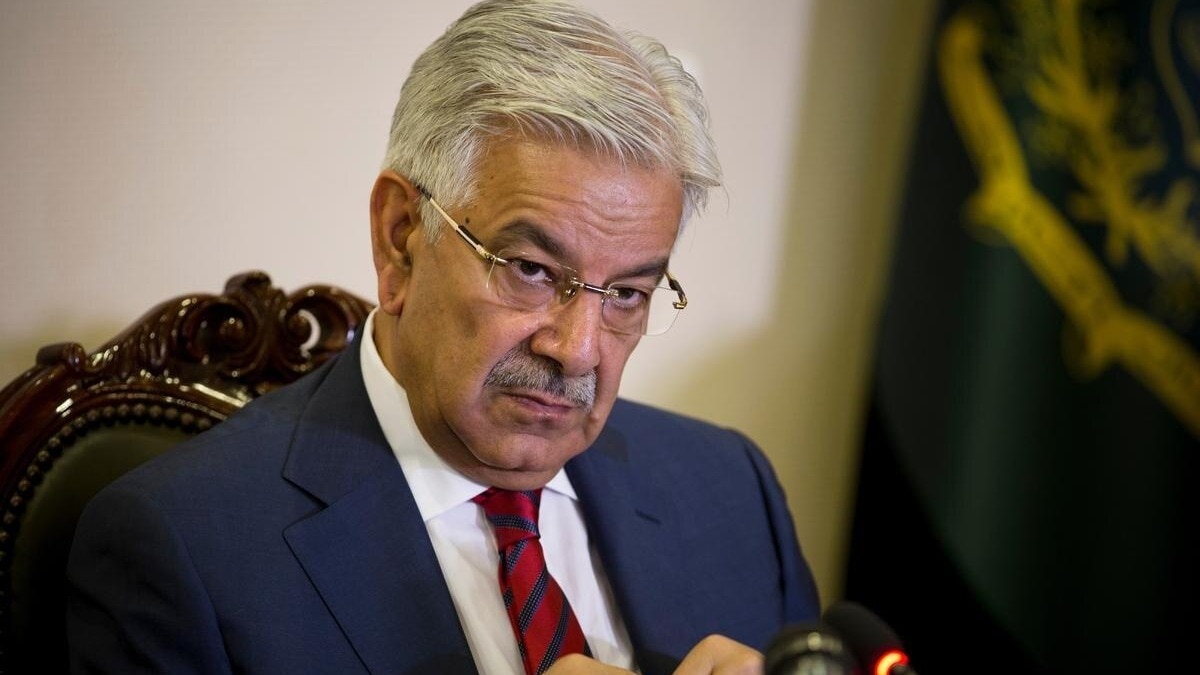
- Vinay Mohan Kwatra, India's envoy to the US, wrote in Newsweek that India's decision to place the Indus Water Treaty in abeyance on April 23 last year acknowledged a reality Pakistan had already created through decades of hostility and cross-border terrorism — not a sudden policy shift.
- The abeyance came a day after Pakistan-trained terrorists killed 26 people, mostly tourists, at Pahalgam in Jammu and Kashmir; Kwatra wrote that any future cooperation depends on Islamabad first dismantling its terror infrastructure.
- Kwatra catalogued Pakistan's wars against India in 1965, 1971, and 1999, and major attacks including the 2001 Parliament strike, the 2008 Mumbai attack, Uri and Pathankot (2016), Pulwama (2019), and Pahalgam (2025).
- Under the 1960 treaty, India received rights to roughly 20% of the Indus basin's water (three of six rivers) and Pakistan roughly 80%; Kwatra argued that asymmetry "stifled development" in Indian regions but said India honoured the treaty anyway.
- Kwatra accused Pakistan of consistently obstructing Indian projects under the treaty and blocking India's attempts to renegotiate it to account for six decades of technological change, including untapped hydropower potential.
- Quoting PM Narendra Modi, Kwatra wrote: "Terror and talks cannot go together... Terror and trade cannot go together... Water and blood cannot flow together," and argued Pakistan's water scarcity stems from its own mismanagement, not Indian actions.
- The Newsweek piece came days after Pakistan hosted a conference protesting India's abeyance decision.
Why it matters: Kwatra's op-ed reframes the Indus treaty's suspension as retaliation for Pakistan's terror record rather than a water rights grievance, a deliberate diplomatic messaging move timed against Islamabad's own conference. The 80/20 river allocation under the 1960 treaty has long fueled Pakistani objections, and India's formal abeyance — triggered by the Pahalgam attack — now weaponizes a water-sharing arrangement that had survived three wars as a bargaining chip in the broader confrontation.
Ask SkimNews