US, China Open Paris Trade Talks Ahead of Trump-Xi Summit — SkimNews
Get the Geopolitics newsletter
Daily geopolitics — wars, elections, sanctions, the diplomatic moves that move markets. Free.
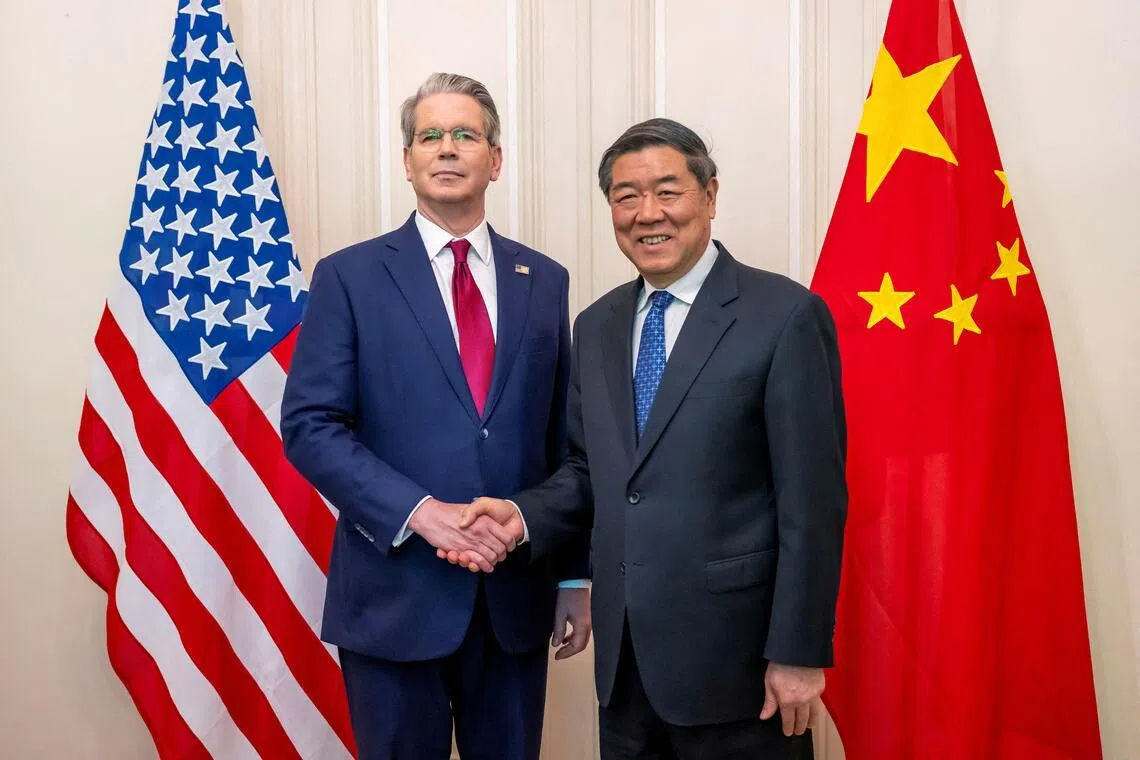
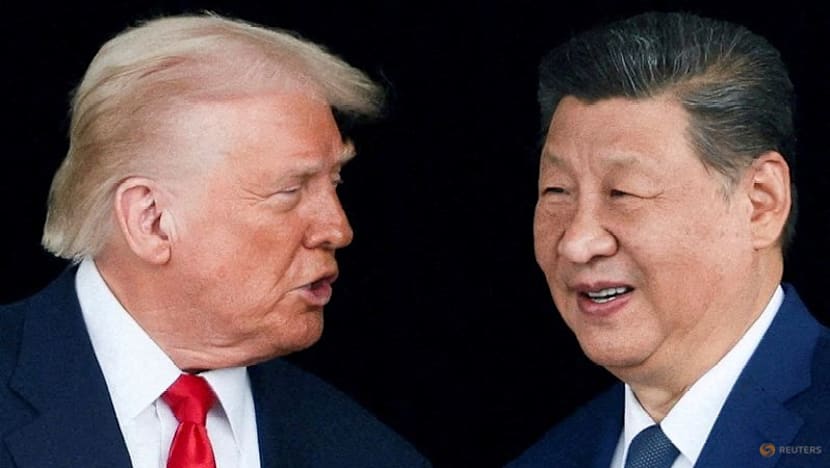
- Scott Bessent and Chinese Vice-Premier He Lifeng launched trade talks Sunday at OECD headquarters in Paris, joined by US Trade Representative Jamieson Greer, focusing on US tariffs, Chinese rare earth and magnet flows, high-tech export controls, and Chinese purchases of US farm goods ahead of Trump's late-March Beijing meeting with Xi Jinping.
- Analysts said prospects for a major breakthrough are limited given the little preparation time and Washington's focus on the US-Israeli war with Iran, with CSIS's Scott Kennedy predicting a summit that 'superficially suggests progress' while leaving the relationship 'about where they've been for the last four months.'
- The talks will review progress under the October 2025 Busan trade truce, which trimmed US tariffs on Chinese imports, paused Chinese rare earth export controls for a year, paused expansion of a US tech blacklist, and committed China to buy 12 million metric tons of US soybeans in 2025 and 25 million tons in 2026 — commitments US officials say Beijing has so far met.
- The US-Israeli war on Iran is expected to surface at the talks, especially given the Strait of Hormuz closure threat — through which China gets 45% of its oil — and Bessent's Thursday announcement of a 30-day sanctions waiver to allow sale of Russian oil stranded at sea to raise supplies.
- Greer and Bessent arrive at Paris carrying new irritants: a 'Section 301' investigation into alleged excess industrial capacity targeting China and 15 other trading partners, and a separate forced-labour probe covering 60 countries including China — moves China denounced and said it reserves the right to countermeasure.
- The US Supreme Court struck down Trump's global tariffs under an emergency law as illegal, effectively reducing tariffs on Chinese goods by 20 percentage points, though Trump immediately imposed a 10% global tariff under a different trade law, setting up the new probes to rebuild that pressure within months.
Why it matters: The Supreme Court ruling stripped Trump of 20 percentage points of tariff leverage on China, and the new Section 301 probes are explicitly designed to rebuild that pressure within months — turning the Paris talks into a two-track exercise of negotiating and squeezing simultaneously. The late-March Trump-Xi summit likely buys time rather than delivers a deal, with the November APEC and December G20 meetings as the real deadlines for tangible progress.
Ask SkimNews