Paris, Milan, Phoenix mayors call for heat crisis unity — SkimNews

Get the Energy newsletter
Daily energy & climate — solar, EVs, oil, the policy fights and tech bets shaping the transition. Free.
- Europe's heatwave killed more than 14,000 people this summer, prompting the mayors of Paris, Milan, and Phoenix — Grégoire, Sala and Gallego — to meet in London during a heatwave that threatened to derail London Climate Action Week.
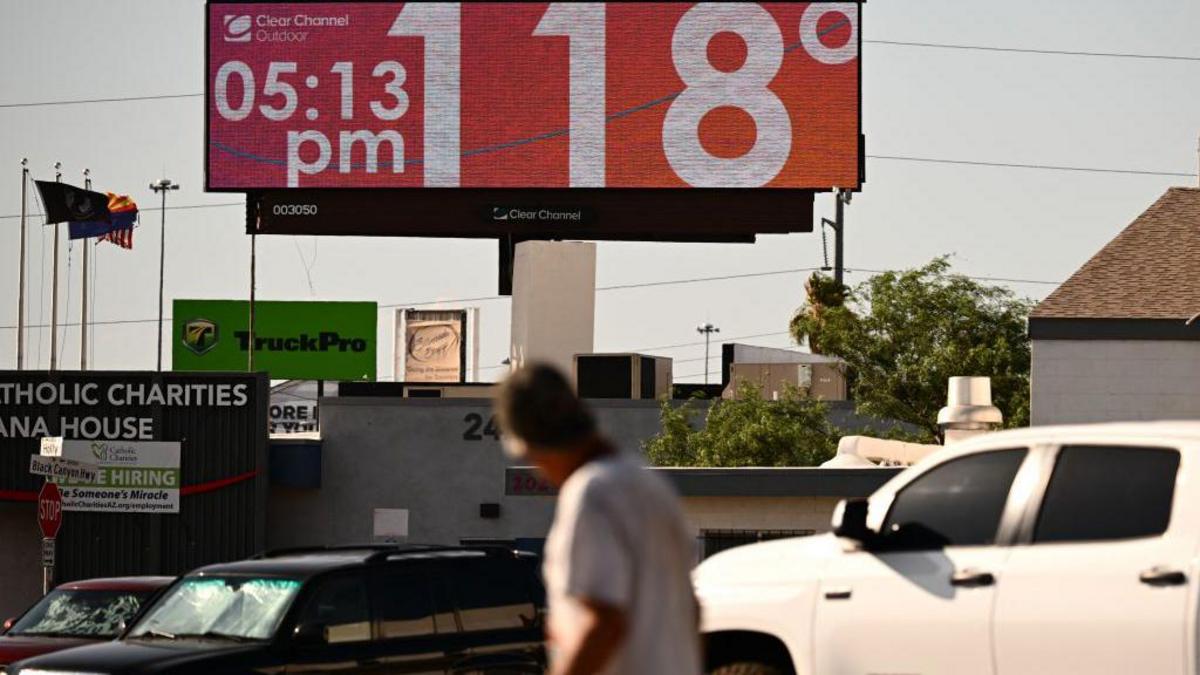
- Phoenix established one of the world's first city offices dedicated to heat response, requires 75% shade coverage in new developments with high pedestrian activity, and applied cool surface treatments to more than 300 kilometers of neighborhood streets — measures credited with a 20% year-over-year decline in heat-related 911 calls during 2024's hottest summer on record.
- City law in Phoenix requires landlords to keep indoor temperatures at 28°C/82°F or lower, and the city runs a 24-hour cooling center connecting visitors to housing, medical, and job-placement services.
- Paris guarantees every resident lives within a seven-minute walk of a cool spot — over 1,400 such spaces exist — and has mobilized 27,000 climate volunteers; its October 2023 'Paris at 50°C' emergency drill directly inspired Barcelona to run the same exercise in 2027.
- Milan is expanding its Piazze Aperte and School Streets programmes with cool spaces, and its Air and Climate Plan sets a binding goal to limit local temperature increases to 2°C by 2050.
- Extreme heat kills more than half a million people globally each year, the deadliest climate hazard, while heating and cooling account for nearly half of Europe's energy use with about 70% of heating still generated by fossil fuels.
- The C40 Cities network of nearly 100 major cities is already sharing climate solutions, but the mayors argue national governments must give cities more powers, funding, and flexibility to scale heat adaptation.
Why it matters: Cities absorb and re-radiate heat, exposing elderly residents, children, outdoor workers, and low-income communities to the deadliest climate hazard, which kills over 500,000 people annually. The mayors argue adaptation measures like tree planting, cool surfaces, and cooling centers are simultaneously public health and economic investments — but national governments must give cities more funding and flexibility to scale them.
Ask SkimNews