Paris, Milan, Phoenix Mayors Call for Shared Heat Plans — SkimNews

Get the Energy newsletter
Daily energy & climate — solar, EVs, oil, the policy fights and tech bets shaping the transition. Free.
- Emmanuel Grégoire, Giuseppe Sala and Kate Gallego met during London Climate Action Week — which was disrupted when a heatwave forced some climate talks to be suspended or cancelled — to compare how their cities prepare for extreme heat, as more than 14,000 people died from heat across Europe this summer.
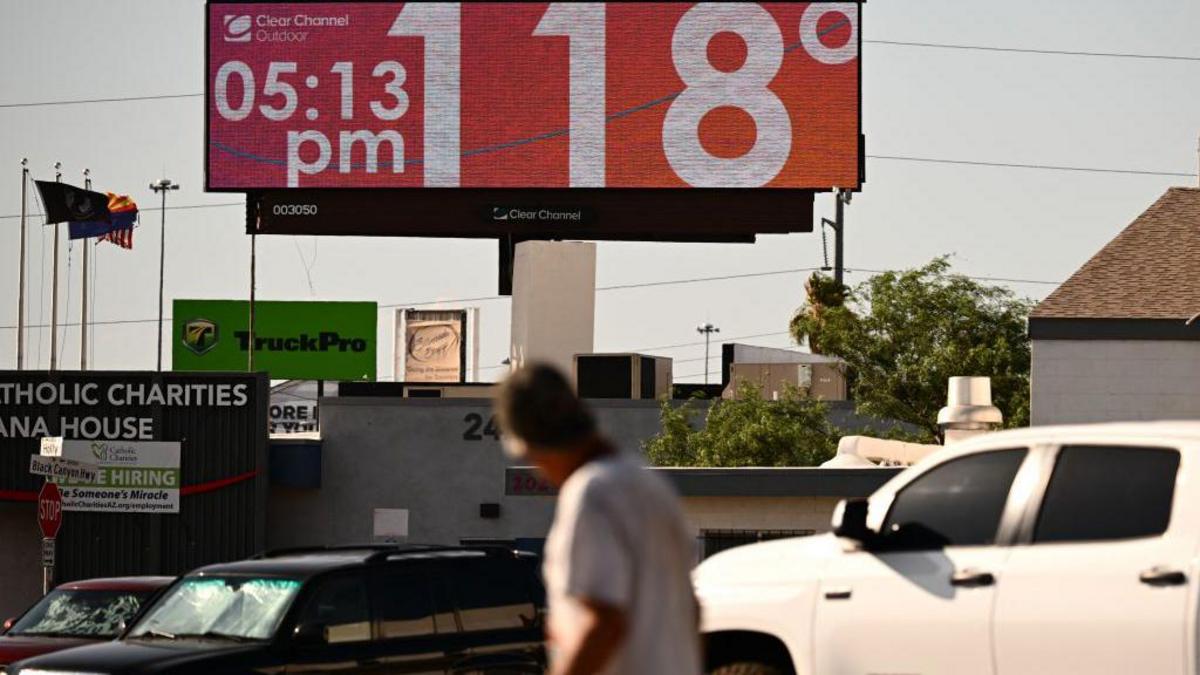
- Phoenix established one of the world's first city offices dedicated to heat response, requires 75% shade coverage in new developments with high pedestrian activity, and applied cool surface treatment to more than 300 kilometers of neighborhood streets; during the record-hot summer of 2024, the city's coordinated measures contributed to a 20% year-over-year decline in heat-related 911 calls.
- Phoenix law requires landlords to keep rental units at 82°F (28°C) or lower, and city contractors must implement heat safety plans to protect outdoor workers.
- Paris now has more than 1,400 designated cool spaces within a seven-minute walk of every resident, has mobilized 27,000 climate volunteers, and its October 2023 "Paris at 50°C" emergency drill directly inspired Barcelona to schedule the same exercise for 2027.
- Milan is integrating cool spaces into its Piazze Aperte and School Streets programmes through tree planting, permeable green surfaces and shaded areas, and has set a binding target to limit local temperature increases to 2°C by 2050 — described as one of the only such municipal temperature targets in the world.
- The three mayors urged national governments to grant cities more powers, funding and flexibility for adaptation, noting that heating and cooling account for nearly half of all energy use in Europe with roughly 70% of heating still generated by fossil fuels.
Why it matters: Extreme heat already kills more than half a million people annually and disproportionately threatens older, younger, outdoor-worker and lower-income urban residents. By sharing proven measures — like Phoenix's 20% drop in heat-related 911 calls — through networks such as C40 Cities, the three mayors are pressing for funding and policy flexibility that lets municipalities scale adaptation beyond piecemeal local efforts.
Ask SkimNews