FIFA's Corner Crackdown Won't Reach Premier League — SkimNews
Get the Sports newsletter
Daily sports — scores, transfers, the storylines from the leagues you actually follow. Free.
- Germany had Jonathan Tah's extra-time goal against Paraguay disallowed after VAR ruled Waldemar Anton had blocked goalkeeper Orlando Gill, a decision Jurgen Klopp called into question with the quip: "If the goal is illegal, then Arsenal won't be English champions."
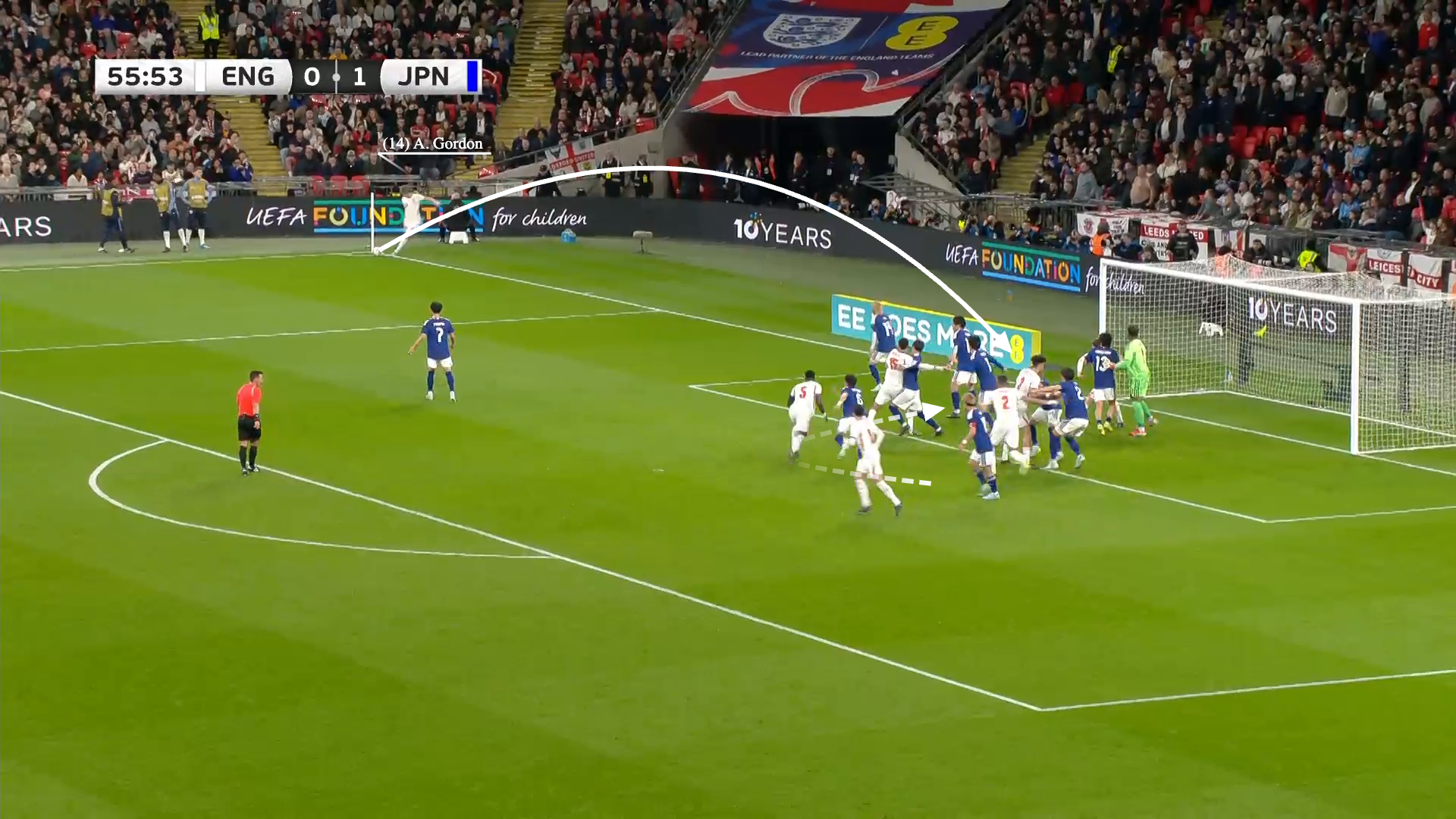
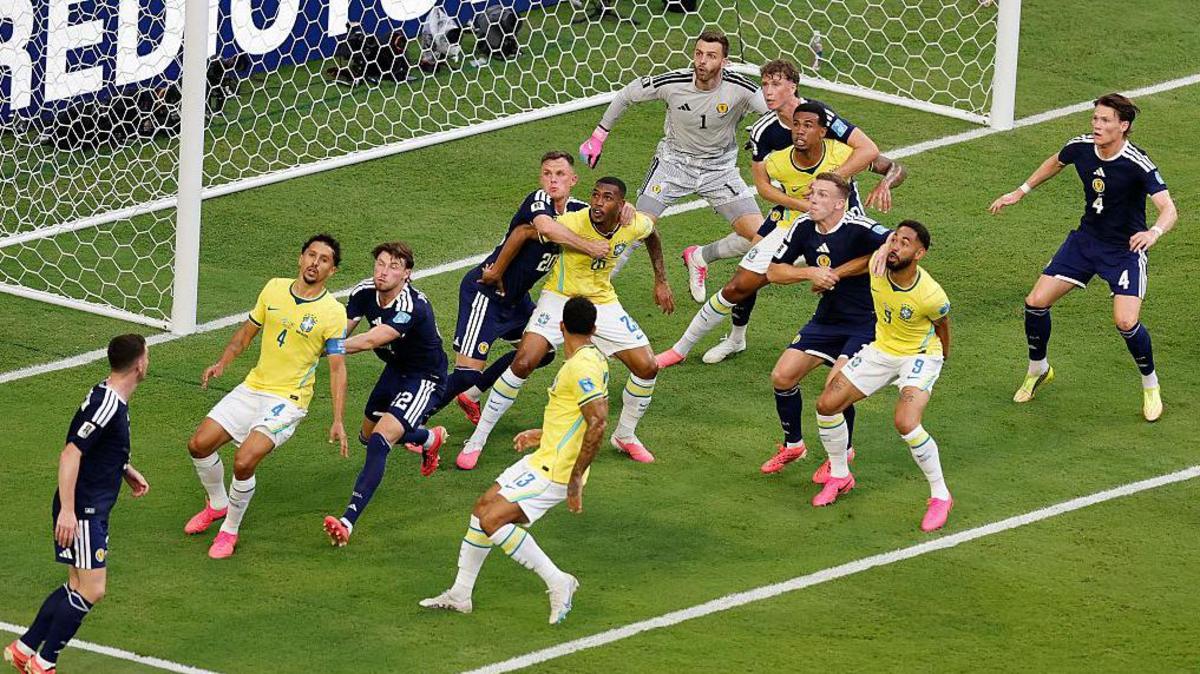
- Pierluigi Collina sent pre-tournament messages to coaches warning of zero tolerance for off-the-ball blocking and holding, and instructed referees to enforce a six-yard box exclusion zone around goalkeepers, with Spain also seeing a goal ruled out when Pau Cubarsí was penalized for a foul on Austria's Alexander Schlager.
- Corner goals are being scored at a rate of 0.34 per match at this World Cup, down from 0.49 in the Premier League last season (0.46 in the Bundesliga and Champions League) and well below the 0.20 recorded at Qatar 2022, reflecting the stricter officiating.
- FIFA has based its 51 referees and 88 assistants at a Miami training camp, using semi-professional players drilled in the set-piece routines of each national team to give officials realistic practice, including ahead of Thursday's France-Morocco quarter-final.
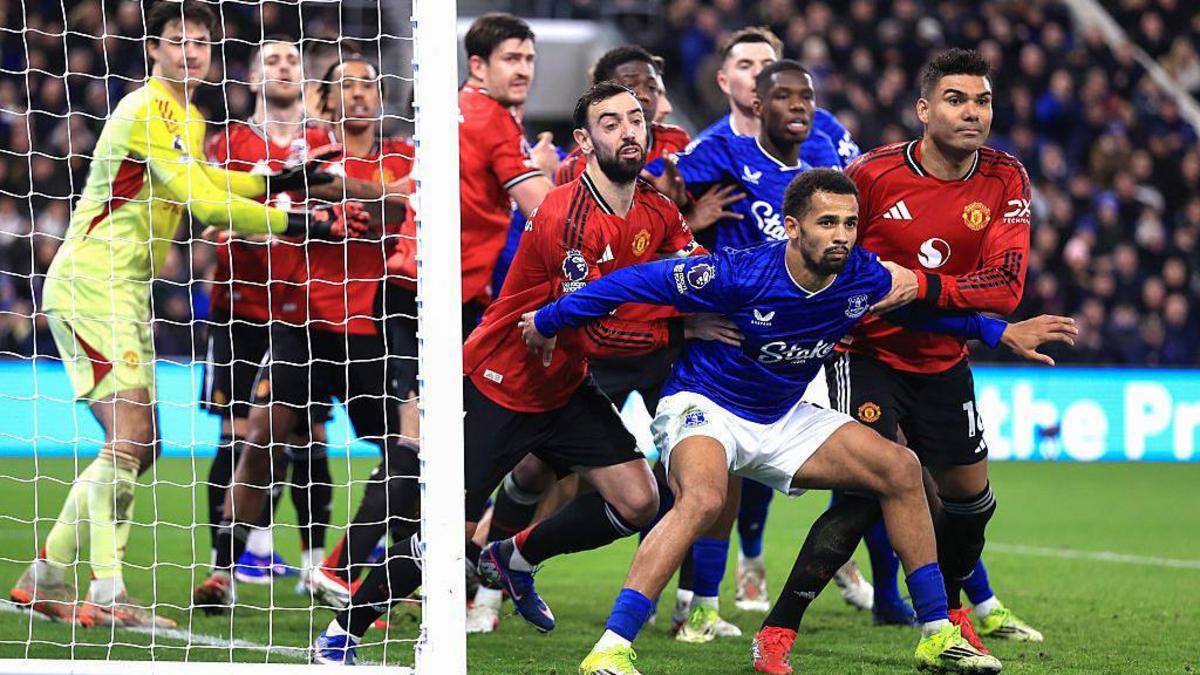
- Premier League referees have been told the Germany and Spain goals would still stand under domestic rules, with the league promising only "enhanced recognition of clear holding actions" — and just one VAR holding penalty (Jarred Gillett, Croatia vs Portugal) has been awarded all tournament.
- Managers including Everton's David Moyes say officials "don't want to get involved," while former Chelsea defender César Azpilicueta told BBC One the English game needs a middle ground between the Premier League's physicality and FIFA's stricter approach.
Why it matters: The corner-kick refereeing gap means Arsenal-style blocking tactics that produced a record 19 set-piece goals last season may survive in England even as FIFA demonstrates a workable alternative. With Premier League referees unlikely to copy Collina's hard line over a 38-game campaign, clubs that have built attacking set-piece systems around physical screening retain a competitive edge that the World Cup has shown is technically sanctionable.
Ask SkimNews