Two wildfires hit Greenland tundra in a single week — SkimNews

Get the Energy newsletter
Daily energy & climate — solar, EVs, oil, the policy fights and tech bets shaping the transition. Free.
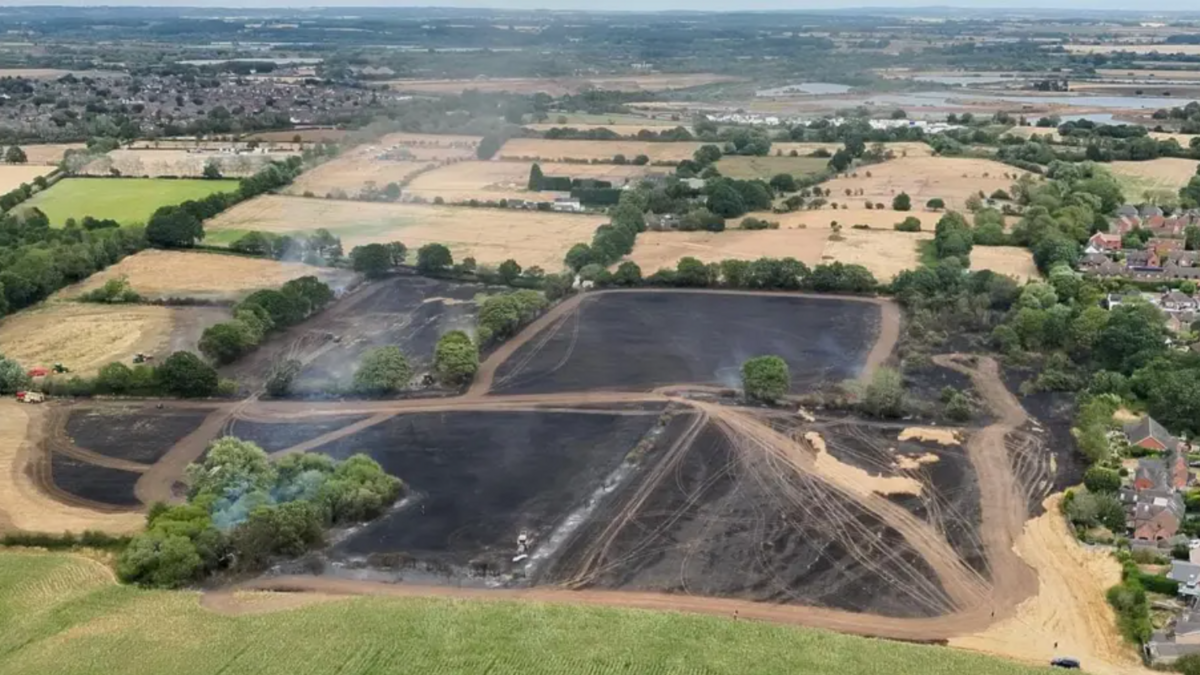
- Greenland saw two tundra wildfires in a single week in mid-June: one near Sisimiut (the island's second-largest town) on June 14-15, and another in Kujalleq on the southern tip on June 17.
- Dr. Mark Parrington of the Copernicus Atmosphere Monitoring Service said vegetation fires at high northern latitudes are usually seen in July and August, making the June timing unusually early.
- Inunnguaq Eigil Lundblad, emergency manager for Qeqqata municipality, said the Sisimiut fires were caused by someone using fire recklessly, and noted the winter had brought little snow followed by minimal rainfall.
- Miki Sikemsen, emergency manager for Kujalleq, said the trigger for that fire was unknown but the region has had no significant rain since May, leaving vegetation highly flammable.
- A study found zero fires in western Greenland's ice-free regions from 1995 to 2007, but recorded 21 separate events between 2008 and 2020, with major blazes in 2017 and 2019.
- Research by Sonja Diaz of the University of Helsinki (under peer review) suggests Greenland tundra fires release more carbon per square meter than other tundra fires, and the carbon is old — locked in soil for hundreds to thousands of years.
- Lucas Diaz of Vrije Universiteit Amsterdam noted that global fire models are not trained on Arctic fires, meaning the growing risk of tundra blazes is poorly captured in projections.
Why it matters: The Arctic is heating four times faster than the global average, and Greenland's tundra went from zero recorded fires (1995-2007) to 21 events (2008-2020). These blazes release ancient carbon locked in soil for thousands of years, yet global fire models aren't trained on Arctic fires — leaving the carbon feedback risk poorly understood.
Ask SkimNews