SpaceX hits $2.5T; Warsh's Fed debut turns hawkish — SkimNews

Get the Finance newsletter
Daily finance — markets, central banks, M&A, the prints that move money. Free.
- SpaceX completed the largest IPO in history on June 12, 2026, with shares jumping 13% Monday to push market cap to nearly $2.5 trillion, briefly outvaluing Amazon and Microsoft.link ›
- VIX traded below 16 Monday, fully unwinding the June 5 volatility spike as semiconductor hedges unwound and the Nasdaq 100 surged 3% to within striking distance of its record.link ›
- Elon Musk's SpaceX stake cleared $1 trillion, with Valor Equity Partners holding ~$96.6 billion, Gwynne Shotwell $2.4 billion, and CFO Bret Johnsen $1.2 billion — life-changing paper for early backers.link ›
- Kevin Warsh held rates at 3.5%-3.75% unanimously in his first FOMC meeting, with a dot plot showing 9 of 18 officials now favoring rate hikes this year and just one backing a cut.link ›
- Warsh cut the Fed's post-meeting statement from ~350 words to 132, stripped out forward guidance, and announced five task forces covering communications, the balance sheet, and the inflation framework.link ›
- Bank of Japan raised rates 25 bps to 1% — the highest since 1995 — while pausing its bond taper to cap long-end yields; bitcoin climbed to ~$66,000 on the decision.link ›
- Bitcoin touched $65,988 on news a US-Iran deal will be signed Friday in Switzerland, with CryptoQuant's Woo Minkyu calling the $60,000–$61,500 range a "rock-solid floor" as whales absorb panic-selling.link ›
SpaceX didn't just go public last week — it landed as a $2.5 trillion colossus, briefly outvaluing Amazon and Microsoft and making Elon Musk the first person to hold a $1 trillion stake in a single company. The largest IPO in history yanked the VIX back below 16 and pushed the Nasdaq up 3%, with single-stock options set to launch Tuesday. The euphoria ran straight into Kevin Warsh's Fed debut: a unanimous hold, forward guidance scrapped, and a dot plot showing 9 of 18 officials now backing rate hikes. Trump installed Warsh expecting cuts into a 3.8% inflation print — instead he got a chair ready to tighten, and bond yields climbed on Wednesday's surprise.
The stories behind this week
Can BTC rebound to $69K as oil price plunges? Five things to know in Bitcoin this weekBitcoin's near-term direction now depends on three dated catalysts: Friday's US-Iran signing, Wednesday's Fed decision (markets price 96.6% odds of no cut), and the $60,000 whale floor that's held for weeks. With oil down and risk-on positioning back, bulls have near-term momentum — but CryptoQuant's negative apparent demand warns structural buying interest has not returned, leaving a final capitulation event on the table.

VIX Tumbles Below 16 as SpaceX Shares Surge Past $2.5TThe market's ability to swallow $2 trillion in new SpaceX equity with falling volatility refutes the bears who warned speculators were running out of appetite. Retail traders now gain a new single-stock options market Tuesday that could rival Tesla's as one of the most actively traded derivatives, while the persistent defensive hedging in semiconductors reveals lingering caution beneath the euphoric tape.
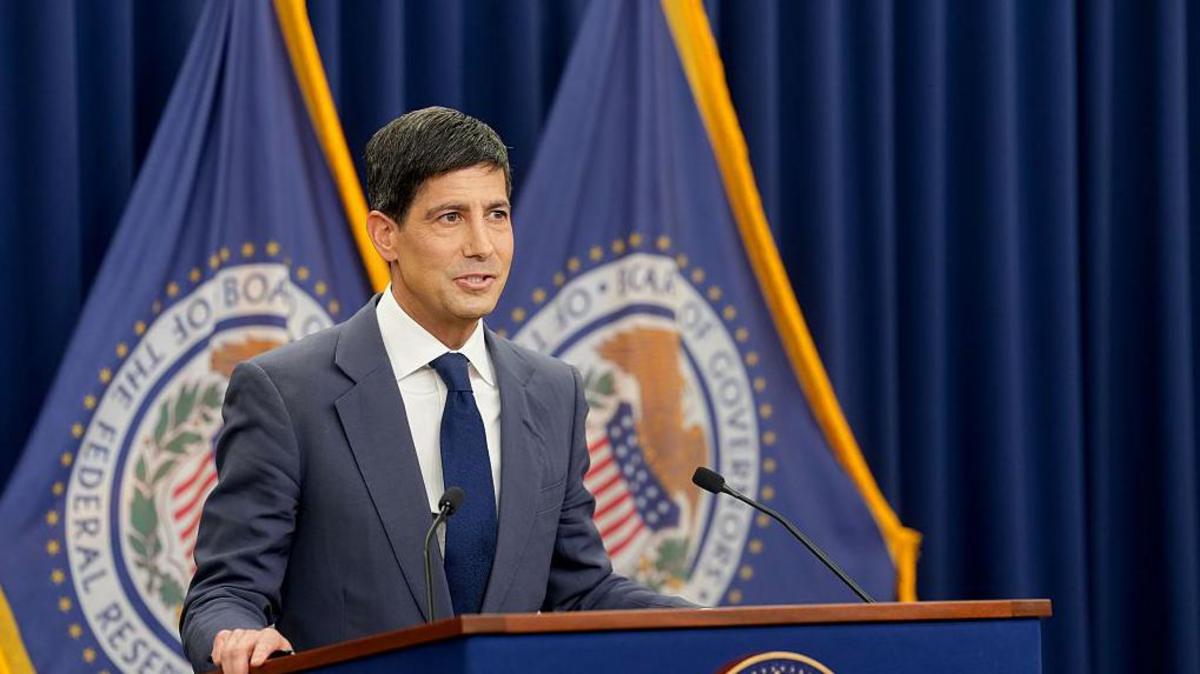
Warsh Holds Rates, Launches Five Fed Reviews at DebutWarsh's debut produced a Fed that's communicating less and tilting hawkish: the statement shrank by more than 60%, forward-guidance language was stripped out, and half of the FOMC participants now project rate hikes rather than the cuts Trump has been publicly demanding. With inflation at 3.8% and the central bank explicitly attributing price pressure to Trump's Iran war, the White House faces an institution that removed easing signals on its new chairman's first day in charge.

SpaceX stock drops for second day, falls below AmazonTwo consecutive days of declines erased SpaceX's brief lead over Amazon and Microsoft, but the company still sits roughly $1.3 trillion above its $135 IPO price — a 37% gain that shows public-market enthusiasm hasn't fully faded. The board addition of a Musk loyalist, combined with his 82%+ voting control, signals that even as outside shareholders buy in at trillion-dollar valuations, governance influence remains tightly concentrated.

Musk's SpaceX stake is worth over $1 trillion. Here are the other billionaire shareholdersSpaceX's $2.43 trillion debut-week valuation briefly outstripped Amazon and Microsoft, and its IPO distributed life-changing wealth across early venture backers, board members, and executives who held through years of unprofitable rocket development. Valor Equity Partners' $96.6 billion stake alone exceeds the market cap of most S&P 500 companies.

Warsh Takes Fed Helm With Trump's Trust and ReformWarsh enters with political capital Trump never gave Powell, but he faces a 3.3% core PCE well above the 2% target and at least two regional Fed presidents openly flagging the case for hikes. Bond traders, per Potomac River Capital's Mark Spindel, will demand higher yields to compensate for uncertainty about Warsh's inflation-measurement overhaul, meaning even a 'steady' first meeting could quietly raise borrowing costs.
Warsh to face spotlight as Federal Reserve likely to leave interest rates unchangedTrump installed Warsh expecting rate cuts, but the new chair's hawkish debut — dropping forward guidance and half of policymakers backing hikes — strips the White House of its anticipated monetary tailwind. With 4.2% inflation, 172,000 May jobs added, and 4.2% inflation persisting even outside war-driven gas costs, the Fed's next move is now more likely tightening than easing.
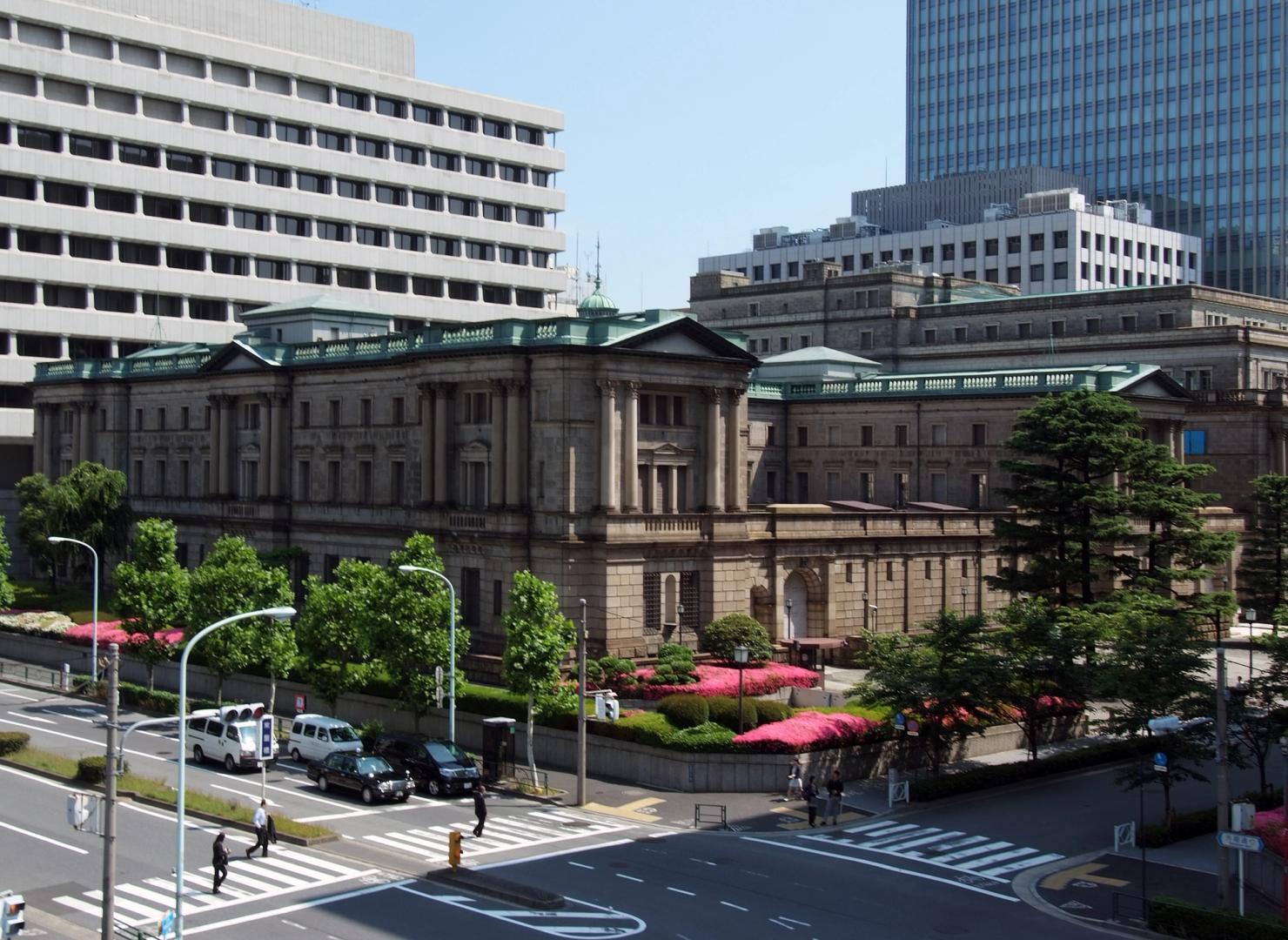
Bitcoin rises after Bank of Japan hikes interest rates to a 31-year highThe BOJ pulled in two directions at once: hiking short-term rates to 1% while pausing its bond taper to cap long-end yields. That contradiction is why bitcoin rose roughly 0.6% on a decision that should have been bearish for risk assets — the ~2 trillion yen JGB purchase floor removed upward yield pressure that would have rippled through global markets. For crypto traders watching BOJ policy as a macro signal, the bond decision mattered more than the rate hike itself.
Why it matters: SpaceX's $2.5 trillion debut absorbed an enormous slug of public-market capital in a single week and minted Musk as the first $1 trillion single-stock holder, redistributing concentrated paper wealth to a small circle of early backers while creating a new derivatives market that will compete with Tesla for retail attention.
Ask SkimNews

