North Korea fires two ballistic missiles off east coast in three hours — SkimNews
Get the Geopolitics newsletter
Daily geopolitics — wars, elections, sanctions, the diplomatic moves that move markets. Free.
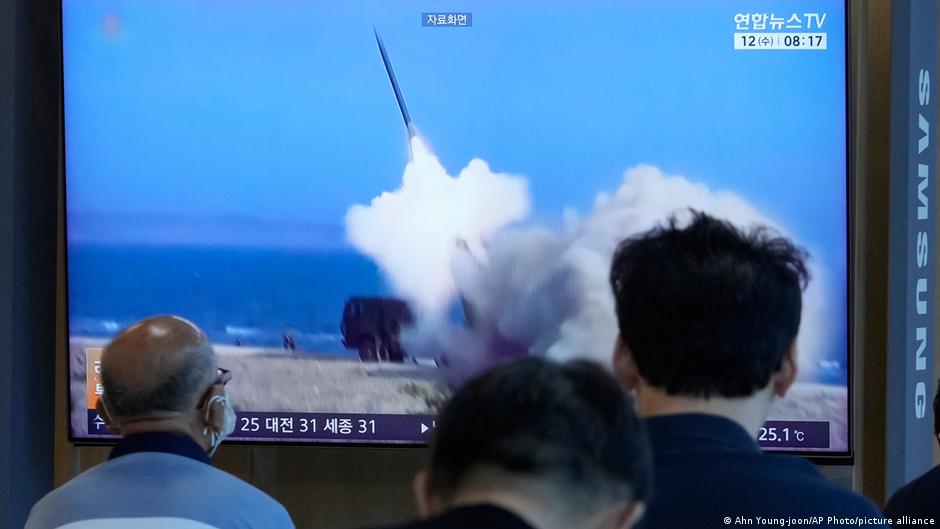
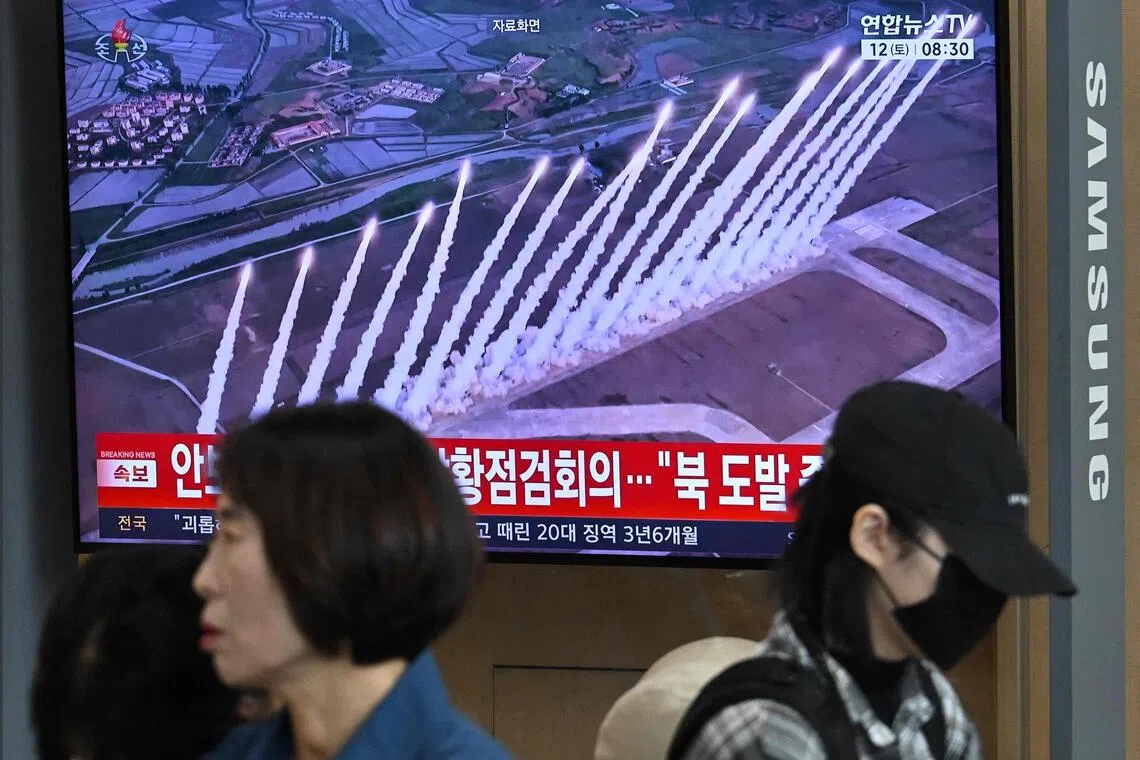
- North Korea fired two short-range ballistic missiles from the Wonsan area on Sept 20, the second traveling roughly 600 km and the first about 450 km, with South Korea's military identifying the first as belonging to the Hwasong-11 series.
- South Korea's Joint Chiefs of Staff detected the first launch around 3pm and the second at about 5:50pm local time, while Japan's defence ministry confirmed the projectile appeared ballistic and landed outside Japan's exclusive economic zone per NHK.
- South Korea's National Security Council condemned the test as a direct violation of UN Security Council resolutions and urged Pyongyang to immediately cease missile activity, noting it followed a Sept 12 launch.
- Japan lodged a diplomatic protest through embassy channels in Beijing, with Defense Minister Shinjiro Koizumi stating the actions 'threaten the peace and security of Japan, the region, and the international community' (Nikkei).
- North Korea had dismissed a UN nuclear watchdog resolution against its nuclear program on Sept 19 and, per Kim Yo Jong's Sept 18 statement, blamed US-led naval drills (Aug 29–Sept 10 near Guam) for 'ever-worsening' tensions while vowing to keep strengthening its nuclear arsenal.
- South Korean and US intelligence tracked the launches 'from the initial stage' and shared information with Japan, per the Joint Chiefs of Staff.
- North Korea last week condemned the trilateral US-South Korea-Japan naval drill that ran Aug 29–Sept 10 near Guam, framing it as the trigger for its renewed testing tempo.
Why it matters: The pace of testing — two SRBM volleys within hours and a second round of launches within a week — keeps the Korean Peninsula on a hair-trigger while trilateral US-South Korea-Japan intelligence coordination operates in real time. Kim Yo Jong's explicit vow to expand the nuclear arsenal, combined with Pyongyang's dismissal of the IAEA resolution the day before, signals that short-range tests are now layered into a longer-term nuclear build-up strategy rather than isolated provocations.
Ask SkimNews