Flaming Gorge Drawdown Cuts 35 Feet, Marina Issues Refunds — SkimNews
Get the Energy newsletter
Daily energy & climate — solar, EVs, oil, the policy fights and tech bets shaping the transition. Free.
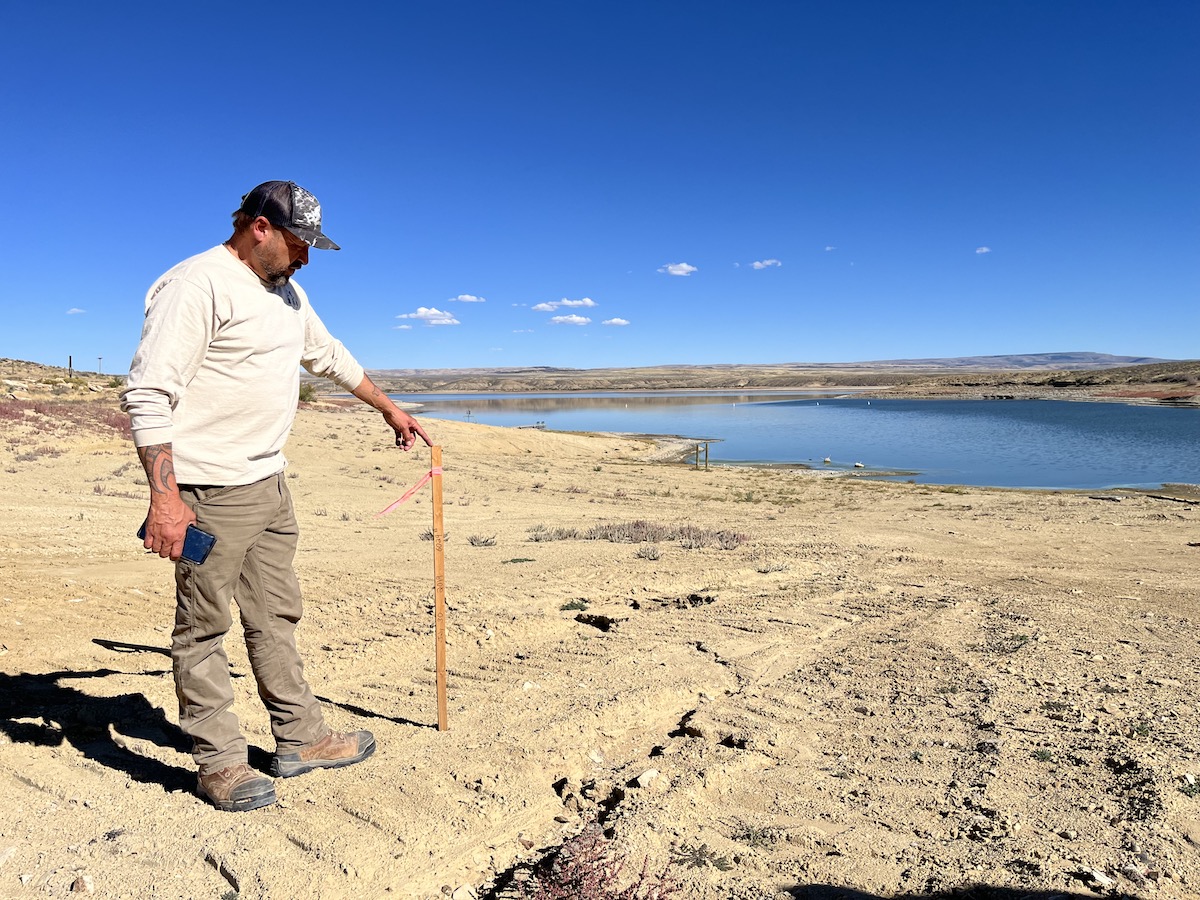
- Buckboard Marina owner Tony Valdez issued refunds and is repairing buckled boat ramps as Flaming Gorge Reservoir dropped 7 feet since April, estimating roughly $30,000 in cancellations since February when the drawdown was first discussed.
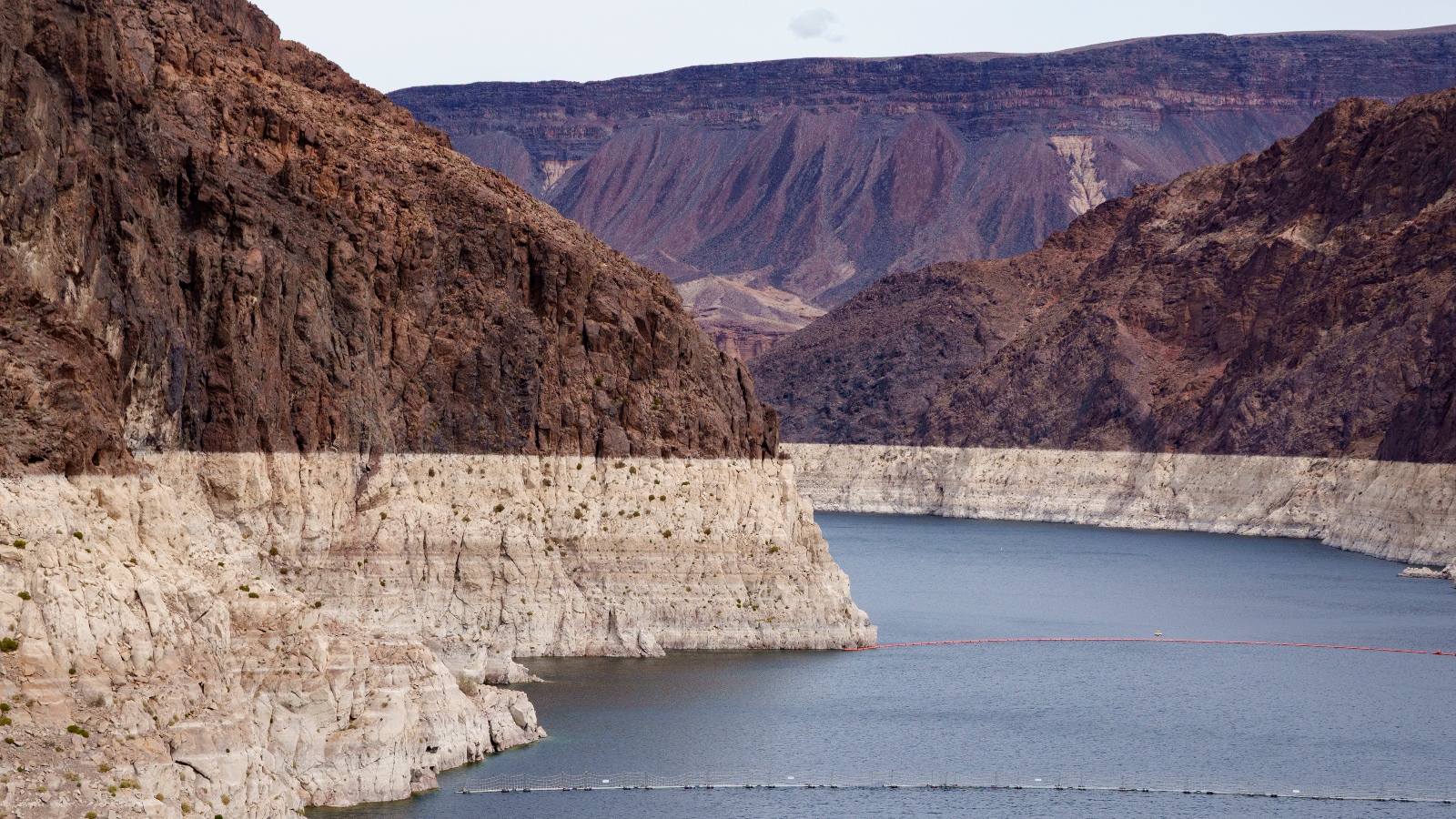
- The Bureau of Reclamation invoked a drought response operations agreement to release about 1 million additional acre-feet from Flaming Gorge between April 2026 and April 2027, lowering the reservoir by roughly 35 feet to approximately 59% of capacity.
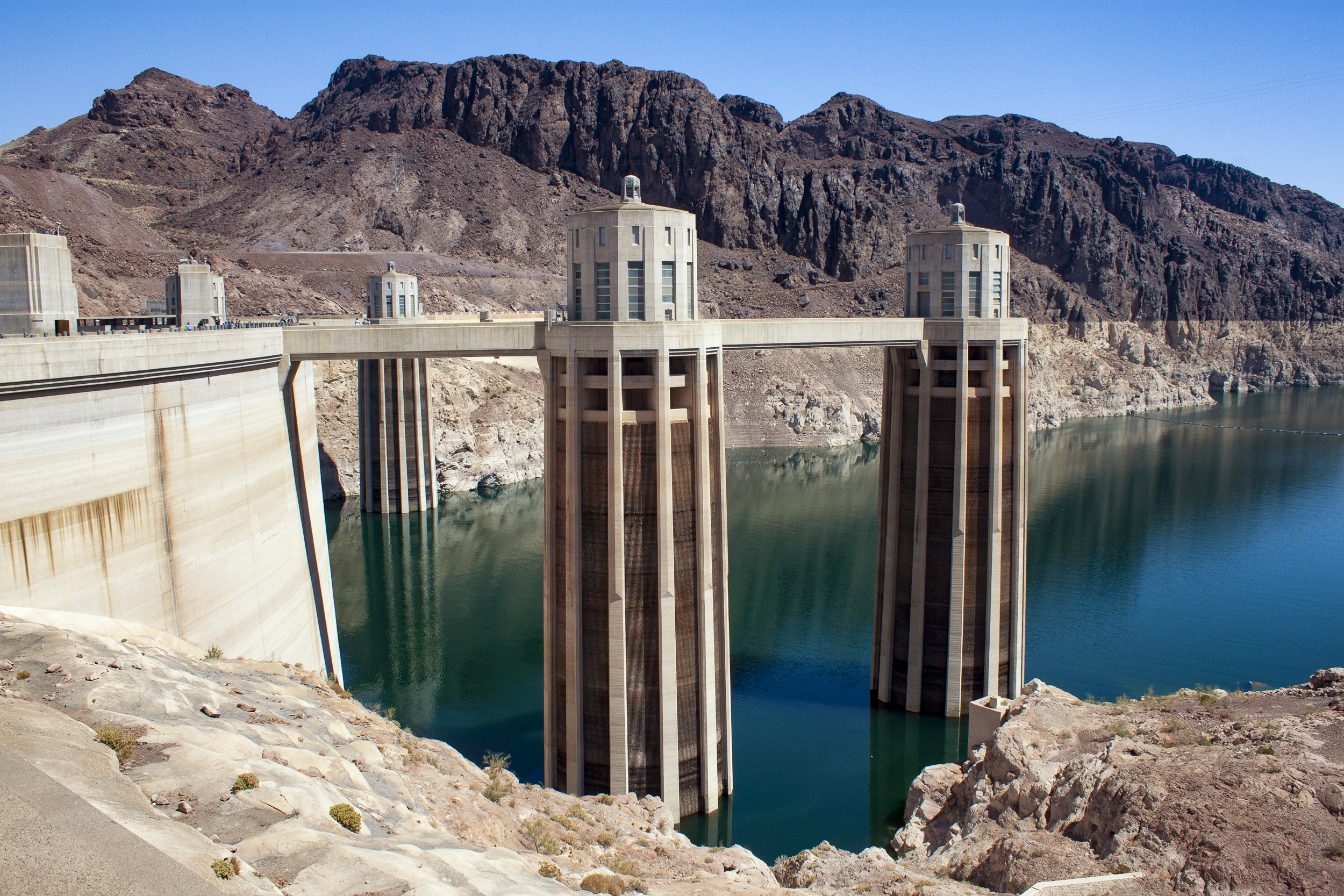
- Lake Powell is at risk of dropping below Glen Canyon Dam's 'minimum power pool' — the point at which the dam cannot generate hydroelectric power — driven by historically low snowpack and record March heat in the Upper Colorado River Basin.
- Flaming Gorge fell from about 3 million acre-feet in April (82% capacity) to roughly 2.83 million acre-feet by May 25, with forecasted unregulated inflows running 28-45% of average for May through July.
- Buckboard Marina will lose drinking water access at 6,010 feet elevation — just 7 feet above current levels — and adapting fuel docks and lines if the drop continues could cost up to $100,000, Valdez said.
- Kokanee salmon already struggling in the reservoir depend on a narrow elevation range to spawn, and Valdez warned the drawdown could push water below that threshold, threatening a trophy fishery that draws tens of thousands of visitors annually.
Why it matters: Buckboard Marina faces potential closure if levels fall below 6,000 feet, and the marina has already lost $30,000 in cancellations with up to $100,000 more in fuel-infrastructure costs looming. The drawdown also imperils the kokanee fishery underpinning a recreation economy in southwestern Wyoming and northeastern Utah — all to keep Glen Canyon Dam producing hydropower downstream.
Ask SkimNews