Hoover Dam Approaches a Hydropower Cliff — SkimNews
Get the Energy newsletter
Daily energy & climate — solar, EVs, oil, the policy fights and tech bets shaping the transition. Free.
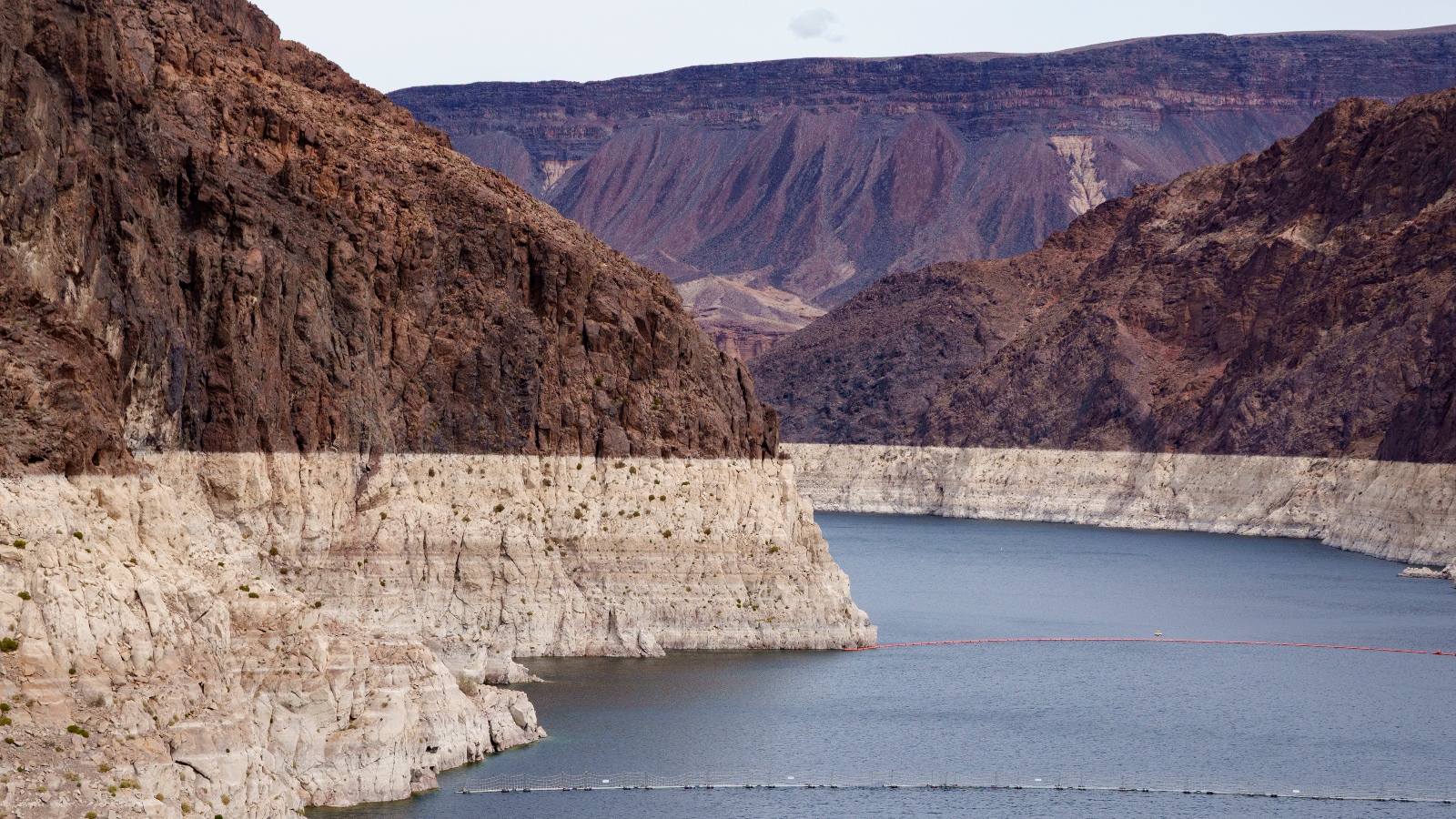
- Lake Mead is projected to drop below 1,035 feet above sea level sometime in the next 12 months, with the source noting the timing could range from late August to the following spring.
- The 1,035-foot elevation is identified as the critical threshold water-level at which hydropower generating capacity at Hoover Dam begins to decline.
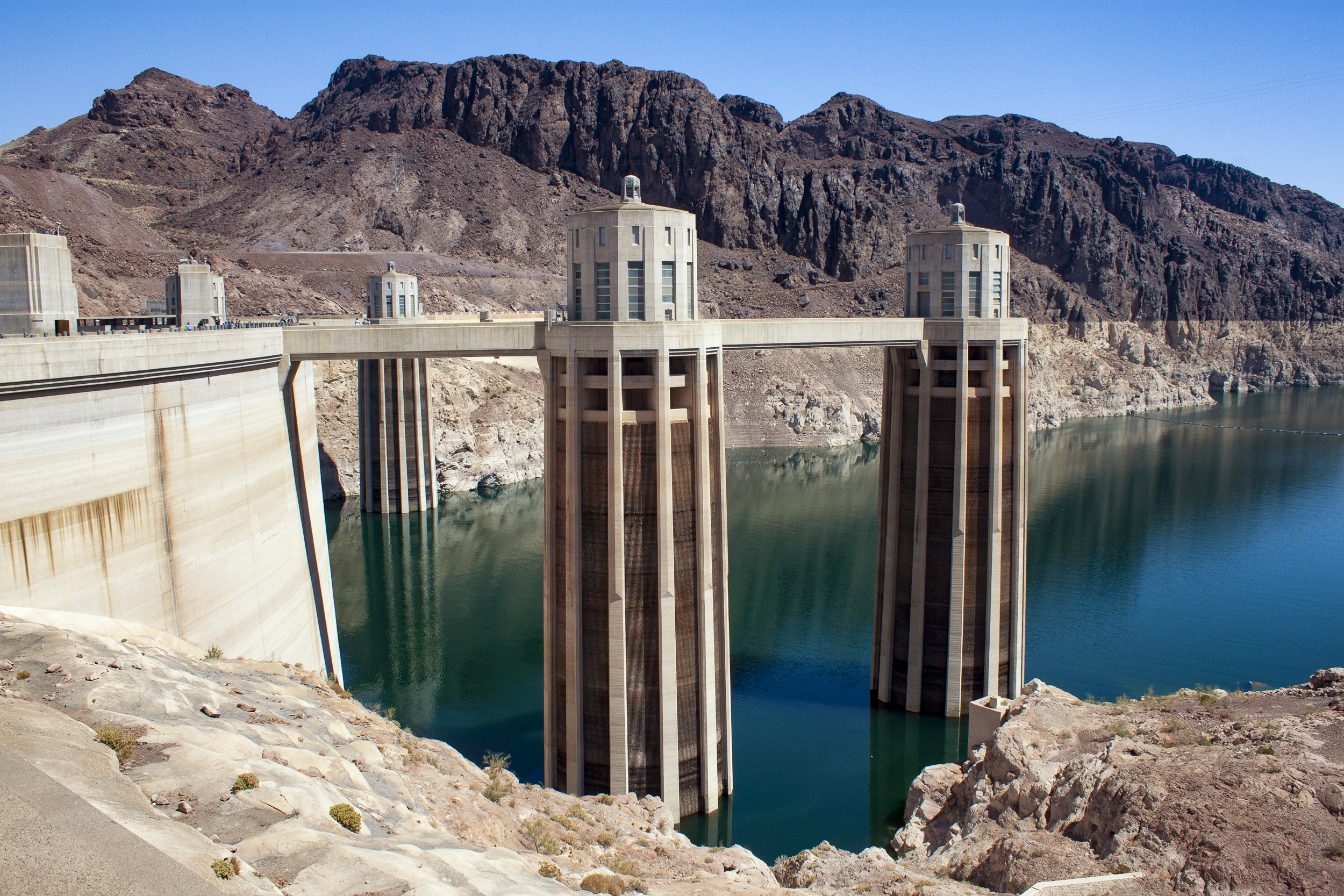
- Hoover Dam is described as the largest hydropower facility in the Colorado River basin, making any capacity loss a basin-level event.
- The source frames the impending drop as a 'hydropower cliff' — a step-change reduction in generating capacity once Lake Mead crosses below 1,035 feet.
- Lake Mead's falling water levels are the direct driver of the capacity loss, tying the dam's electricity output to Colorado River hydrology.
Why it matters: Hoover Dam is the Colorado River basin's largest hydropower facility, and a drop below 1,035 feet of elevation at Lake Mead triggers a reduction in its generating capacity. That makes a single water-level threshold the trigger for a basin-scale change in hydroelectric output within the next 12 months.
Ask SkimNews