UT Austin Lab Pairs Rock CO₂ Storage With Hydrogen — SkimNews

Get the Energy newsletter
Daily energy & climate — solar, EVs, oil, the policy fights and tech bets shaping the transition. Free.
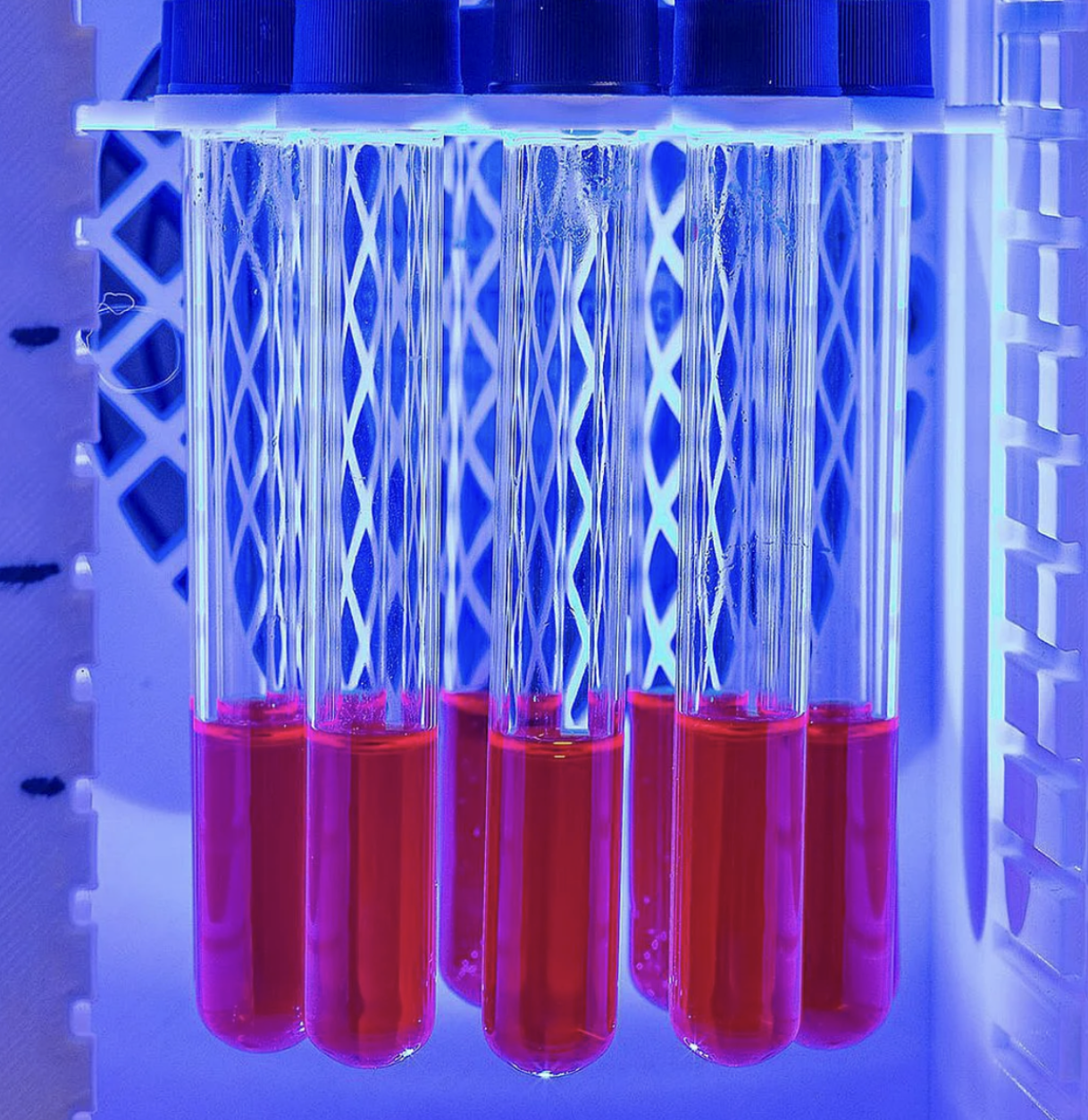
- University of Texas at Austin researchers showed in lab tests that pumping CO₂-rich water into iron-rich volcanic rock produces hydrogen via serpentinisation while mineralising the CO₂ as carbonates
- The lab achieved ~0.5% of the theoretical maximum hydrogen yield at 1.2-1.7 megapascals and 90°C; team member Orsolya Gelencsér said 1% efficiency is needed for commercial feasibility and adding nickel chloride as a catalyst could help
- CO₂-rich water outperformed an argon-control, releasing more hydrogen because the CO₂ forms carbonic acid that dissolves part of the rock and exposes more reactive surface
- Gelencsér presented the work at the European Geosciences Union General Assembly 2026 (DOI: 10.5194/egusphere-egu26-15365)
- Globally, iron-rich rock volumes could theoretically yield far more hydrogen than the ~100 million tonnes produced annually worldwide, even at 1% efficiency
- Barbara Sherwood Lollar at the University of Toronto called the work "good," while her team separately found a Timmins, Ontario mine emits ~140 tonnes of hydrogen per year that could be tapped locally
- Iceland's Carbfix already mineralises CO₂ via water injection at a geothermal plant — a commercial model the researchers hope to replicate, potentially while co-producing geothermal power
Why it matters: Existing hydrogen production emits heavy CO₂, while green hydrogen from electrolysis remains expensive and strains renewable supply. Carbfix already proves CO₂ mineralisation works commercially in Iceland; if the UT Austin approach scales, the same well delivers clean hydrogen for hard-to-abate sectors like steel and fertiliser plus carbon removal revenue to offset costs.
Ask SkimNews