Egyptian Farmers Test Crops Under Solar Panels — SkimNews
Get the Energy newsletter
Daily energy & climate — solar, EVs, oil, the policy fights and tech bets shaping the transition. Free.
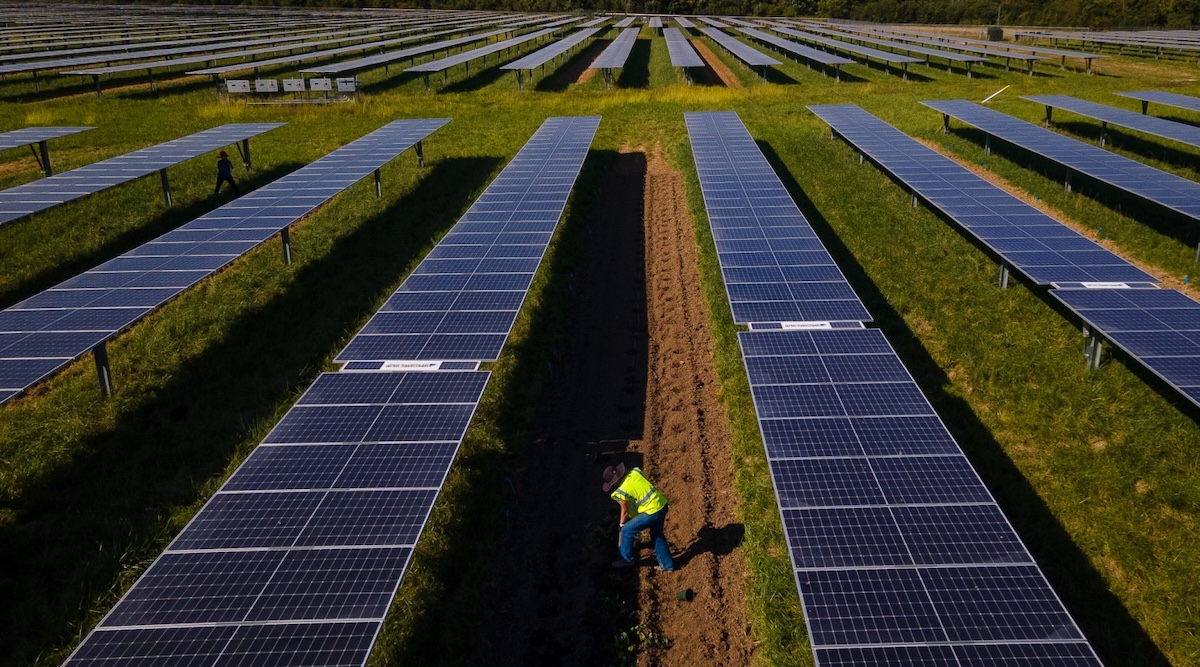
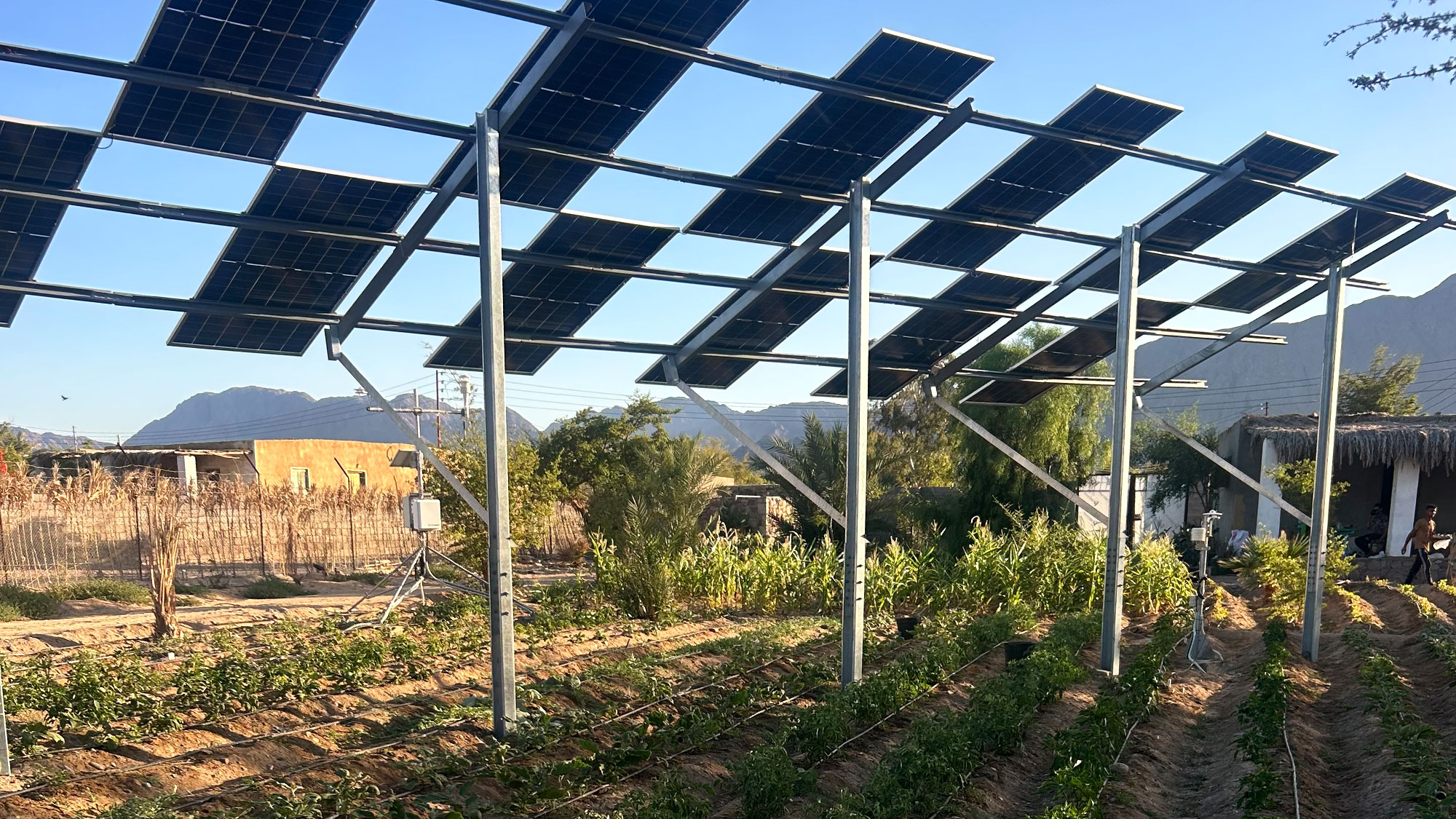
- Egyptian farmers are piloting agrivoltaics across two projects, covering fields with solar panels to generate electricity and shade crops that reduce water evaporation and heat stress amid rising temperatures and water shortages.
- Gofran Chowdhury, head of innovation at renewable energy company 3E, said "there is no perfect guideline" as partners experiment with arrangements like a checkerboard layout that lets more sunlight through than a traditional solar farm.
- Maged El-Said, founder of Habiba Community, installed panels in May at a regenerative farm in South Sinai and said watermelon is an early promising candidate, growing well "for the first time."
- Colorado researchers growing crops under rooftop panels found the shade cuts water use to roughly a third of what unshaded plants require, and reported cucumbers growing to the size of baseball bats.
- Researchers in Nevada found that shade from panels helps a rare desert plant thrive, illustrating how agrivoltaics can aid both crops and sensitive native species.
- Partners are still weighing whether farms should adopt agrivoltaics individually or as groups, and whether the electricity should power irrigation equipment or potentially desalination plants to purify the region's brackish water.
Why it matters: Egypt's staple crops face mounting pressure from water shortages and rising temperatures, and the pilots test whether dual-use farmland — producing both food and power under the same panels — can stabilize yields while opening a new revenue stream for farmers in arid regions. If watermelon and other crops continue to thrive under the shade while using less water, the model offers a replicable template for drought-stressed farming communities worldwide.
Ask SkimNews