Silicon PV greenhouse lifts tomato weight 25% — SkimNews
Get the Energy newsletter
Daily energy & climate — solar, EVs, oil, the policy fights and tech bets shaping the transition. Free.
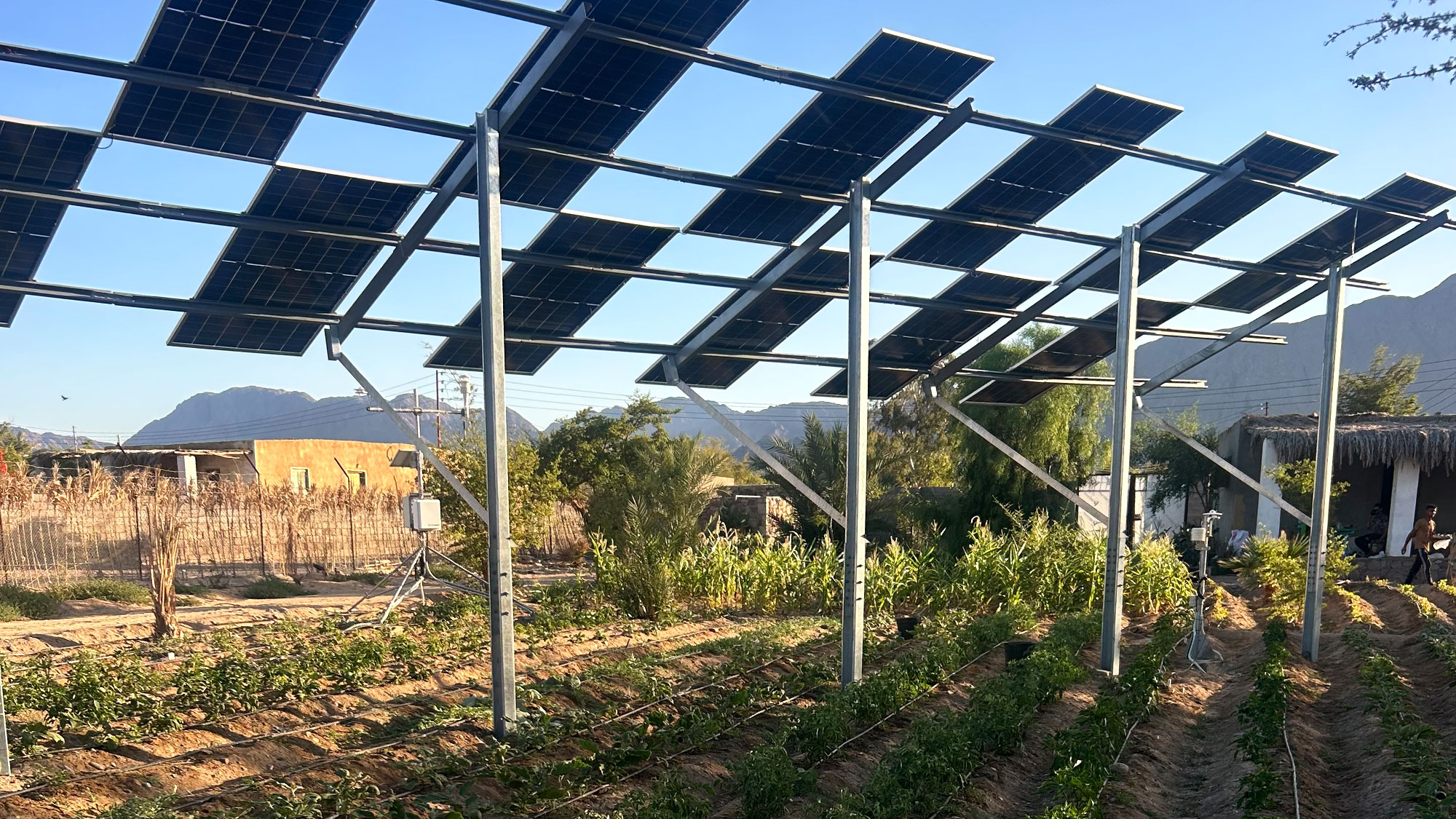
- IMIDA led a two‑season agrivoltaic trial in Murcia, Spain (Dec 2023–Apr 2024 and Apr–Jul 2024) testing four greenhouse designs on tomato crops.
- PV‑Si semi‑transparent monocrystalline silicon greenhouse generated 726.8 kWh of electricity across both seasons and produced tomatoes with a mean fruit weight 25 % higher than the control.
- PV‑TF cadmium telluride thin‑film greenhouse generated 488.4 kWh and yielded lighter fruits (average 50 g in winter‑spring, 79 g in spring‑summer) compared with PV‑Si.
- Control greenhouse (standard polyethylene film) and a shading‑net greenhouse served as baselines; only the PV‑Si greenhouse maintained daily light integral values above the optimal threshold for tomato development.
- Smart Agricultural Technology published the comparative evaluation, which involved researchers from IMIDA, Miguel Hernández University of Elche, and University of Bari Aldo Moro, highlighting the agronomic and energy performance of semi‑transparent PV technologies.
Why it matters: Growers can increase tomato yields without sacrificing renewable‑energy output, while solar operators gain a productive dual‑use site; the study proves silicon‑based agrivoltaics can deliver both higher‑value crops and substantial electricity, potentially reshaping Mediterranean greenhouse economics and could reduce reliance on external power sources for farms.
Ask SkimNews