World's largest penguin colony hit by 'alarming' decline in numbers — SkimNews

Get the Energy newsletter
Daily energy & climate — solar, EVs, oil, the policy fights and tech bets shaping the transition. Free.
- Zavodovski Island lost 63% of its chinstrap penguin nests between 2011 and 2025, according to aerial surveys led by the British Antarctic Survey and published in Current Biology
- Once estimated at 600,000 chinstrap penguins nesting on its volcanic terrain, the colony has lost its title as the world's largest — a distinction now held by Cape Adare in the Ross Sea, more than 5,000km away
- Prof Norman Ratcliffe attributed the decline to warming ocean temperatures pushing krill southward, with sea-ice cover and a lack of suitable nesting islands preventing chinstraps from following their specialist food supply
- While chinstraps collapsed, macaroni penguins on the same island increased dramatically — tracking data showed they foraged in warmer waters to the northeast, supplementing their diet with fish and crustaceans
- Ratcliffe called the simultaneous decline and rise the "biggest change in community composition ever observed at a single location in Antarctica," with the species now potentially eligible for endangered status
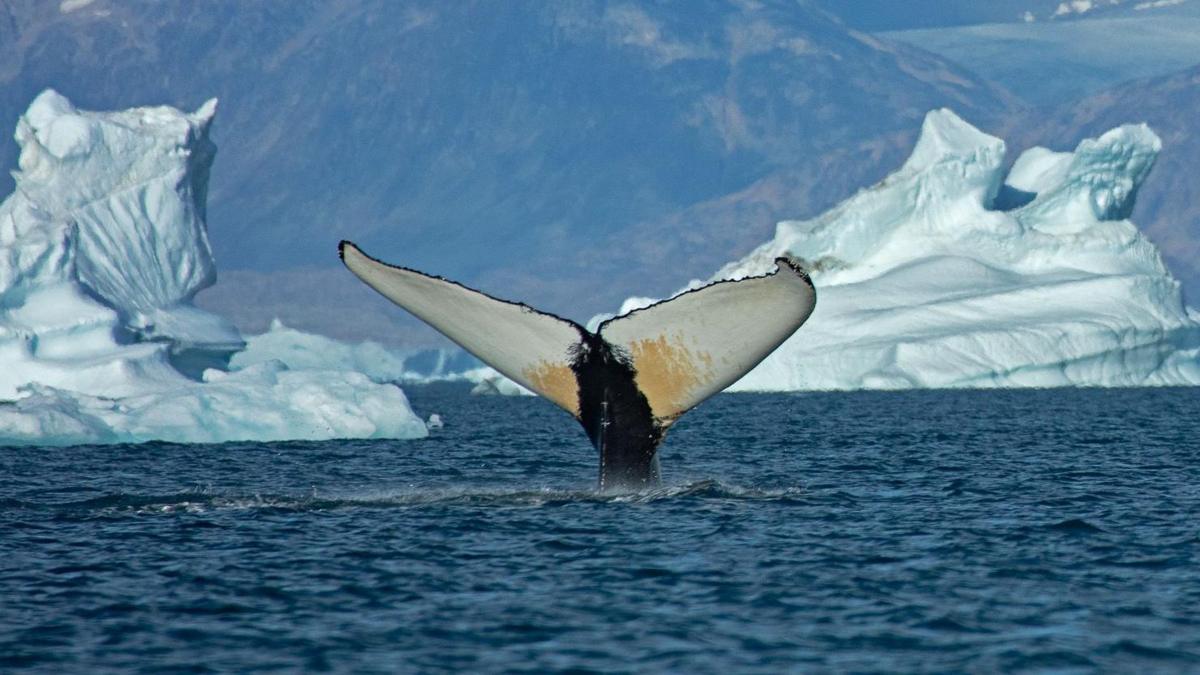
- Researchers ruled out other threats — the island's active Mount Curry (also called Mount Asphyxia) last had a major eruption in 2016, and humpback whale competition for krill appears offset by whales fertilising krill food sources
Why it matters: Zavodovski's chinstrap population fell from roughly 600,000 to a fraction of that in 14 years, with researchers warning the species may now be officially endangered. The simultaneous boom of adaptable macaroni penguins on the same island demonstrates that Antarctic ecosystem composition is actively reshuffling as warming accelerates — cold-specialist species losing ground while flexible generalists fill the gap.
Ask SkimNews