Texas Data Centers Used Dry-Cleaner Permits to Skip Reviews — SkimNews

Get the Tech newsletter
Daily tech — startups, AI labs, chips, the launches that shape the next decade. Free.
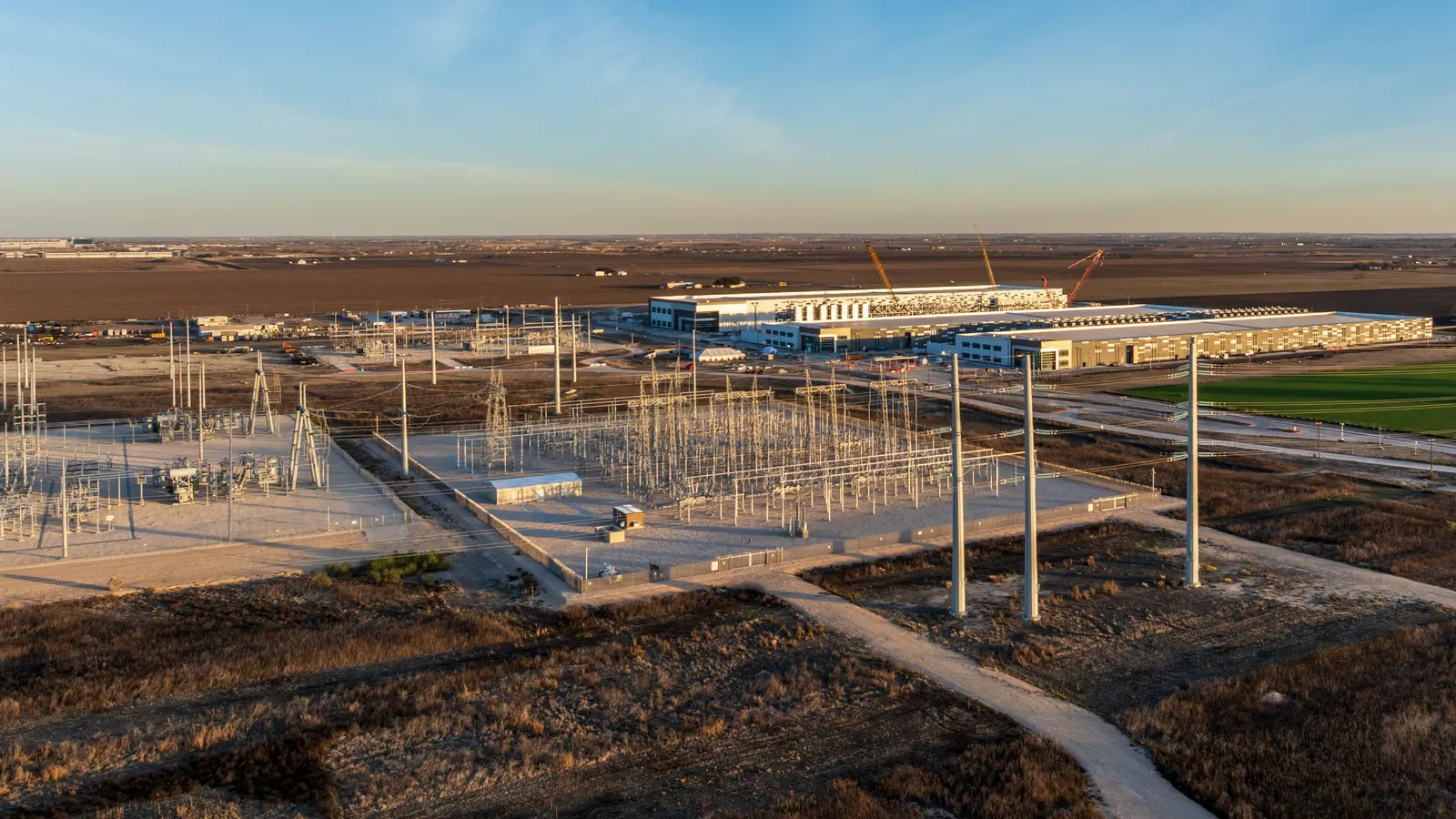
- OpenAI's Stargate campus in Abilene was built next to Air Force veteran Omaira Garcia's ranch; she learned of it after construction began in summer 2024, with a 360-megawatt on-site gas plant now roughly 500 yards from her kitchen window—OpenAI did not respond to multiple comment requests.
- At least 38 Texas data centers secured so-called "permits by rule" or "standard permits" since 2024—normally issued to dry cleaners, autobody shops, and gas stations—allowing them to install 2,100+ backup diesel generators without environmental review, public notice, or comment periods, per a Floodlight analysis.
- At least 15 gas plants tied to data centers are planned for Texas, with nine combined permitted to emit more than 130 million tons of greenhouse gases annually—equivalent to 35 coal-fired power plants—according to Cleanview research released last month.
- Texas has added more than 80 gigawatts of new gas plants to its construction pipeline, second only to China, with roughly half reserved for data centers, according to Global Energy Monitor researcher Jenny Martos.
- Stargate developers pursued a "small first, big later" strategy: starting with minor permits for 10 turbines and 62 generators, then filing for 41 additional turbines and 18 more generators that would make the Abilene campus capable of powering more than 1 million homes and emitting more annual greenhouse gases than nearly 2 million cars.
- Former EPA air enforcement chief Bruce Buckheit said Stargate's staggered permitting may violate EPA "aggregation" policies, calling minor permits that precede major ones "sham permits" the agency's own handbooks warn against.
- Governor Greg Abbott previously called the AI industry Texas's "gold rush," though his enthusiasm has recently dampened amid widespread opposition to the data-center buildout.
Why it matters: Local residents lose meaningful input because Texas's two-tier permitting system lets data centers build before facing environmental review. Former EPA air chief Bruce Buckheit called the minor-then-major sequence a potential "sham permit," and former TCEQ monitor James Doty warned that once a facility gets its operating permit, stopping it becomes nearly impossible.
Ask SkimNews