Why is Russia attacking ships in Odessa? | Explained — SkimNews

Get the Geopolitics newsletter
Daily geopolitics — wars, elections, sanctions, the diplomatic moves that move markets. Free.
- India's External Affairs Ministry issued an advisory on July 26, 2026 warning Indian seafarers about "missile and drone attacks" in the Black Sea, noting five Indian deaths since April 2026.
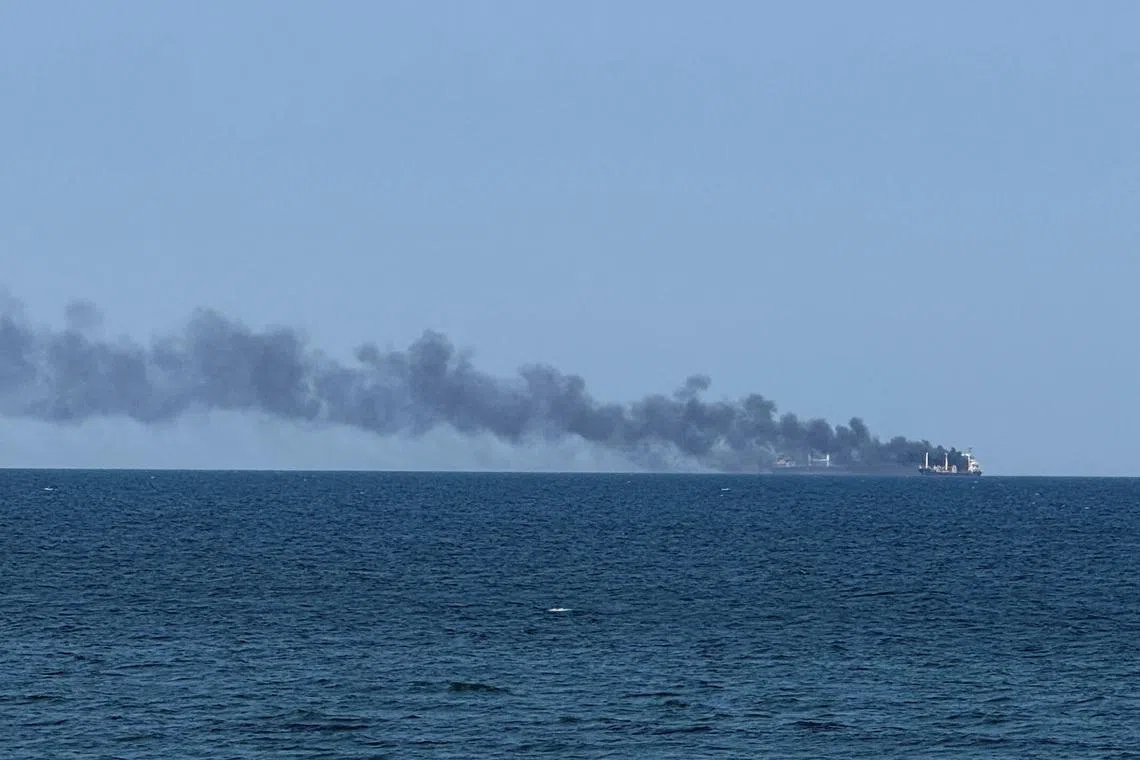
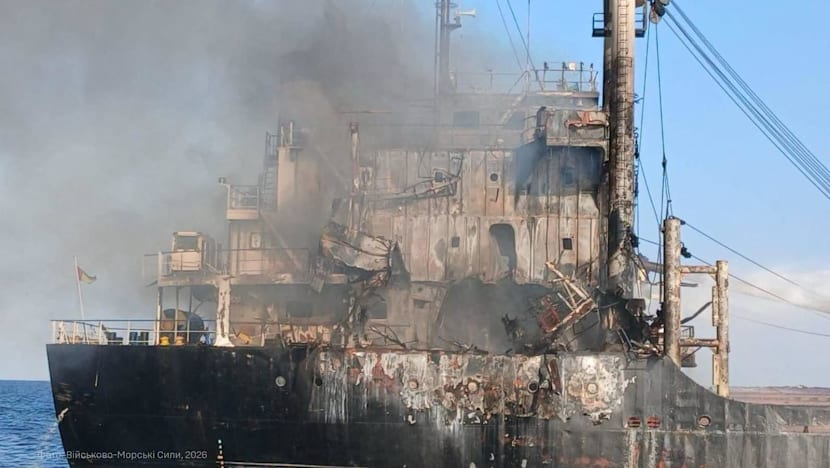
- Russia has struck commercial vessels repeatedly — killing one Indian on the MV Omorfi on July 18, four Indians on the MV Golden Leo off Ukraine on July 19 (prompting New Delhi to summon Russia's Chargé d'affaires), and leaving two Indian sailors missing after a July 25 strike on Odessa port.
- Odessa has been pounded for three consecutive weeks with at least 10 daily air raid alerts, per regional military administration head Oleh Kiper, as Russia seeks to enforce a maritime blockade and halt Ukraine's import-export capabilities.
- Ukraine shipped over 197 million tonnes of cargo (including 117 million tonnes of grain) through Odesa's seven ports in three years via a safe corridor — a logistics pipeline Russia's bombardment is now strangling.
- Ukraine struck back on July 25 with drones hitting 21 Russian oil tankers in the Sea of Azov, forcing the Sheskharis terminal at Novorossiysk — which accounts for almost 20% of Russia's crude oil exports — to suspend tanker loadings.
- Ukrainian Navy spokesperson Dmytro Pletenchuk said Ukraine's "maritime exports have effectively come to a halt" following Russian attacks on port infrastructure and foreign ships.
- Manoj Yadav of the Forward Seamen's Union of India called the targeting of international shipping a "new tactic" to build pressure and urged India to file a petition with the United Nations.
Why it matters: The attacks have halted Ukraine's maritime exports and are grinding down its 197-million-tonne grain and cargo corridor through Odesa's seven ports. Moscow's strikes on foreign-flagged vessels have triggered friction with India, which summoned Russia's Chargé d'affaires. Reciprocally, Ukraine's July 25 drone strikes on the Sea of Azov disrupted 20% of Russia's crude-export capacity at Novorossiysk, showing the naval tit-for-tat now bleeds both economies.
Ask SkimNews