Gene therapy can partly restore sight in blind people, researchers reveal — SkimNews
Get the Health newsletter
Daily health & science — research, biotech, public health, the studies worth knowing. Free.
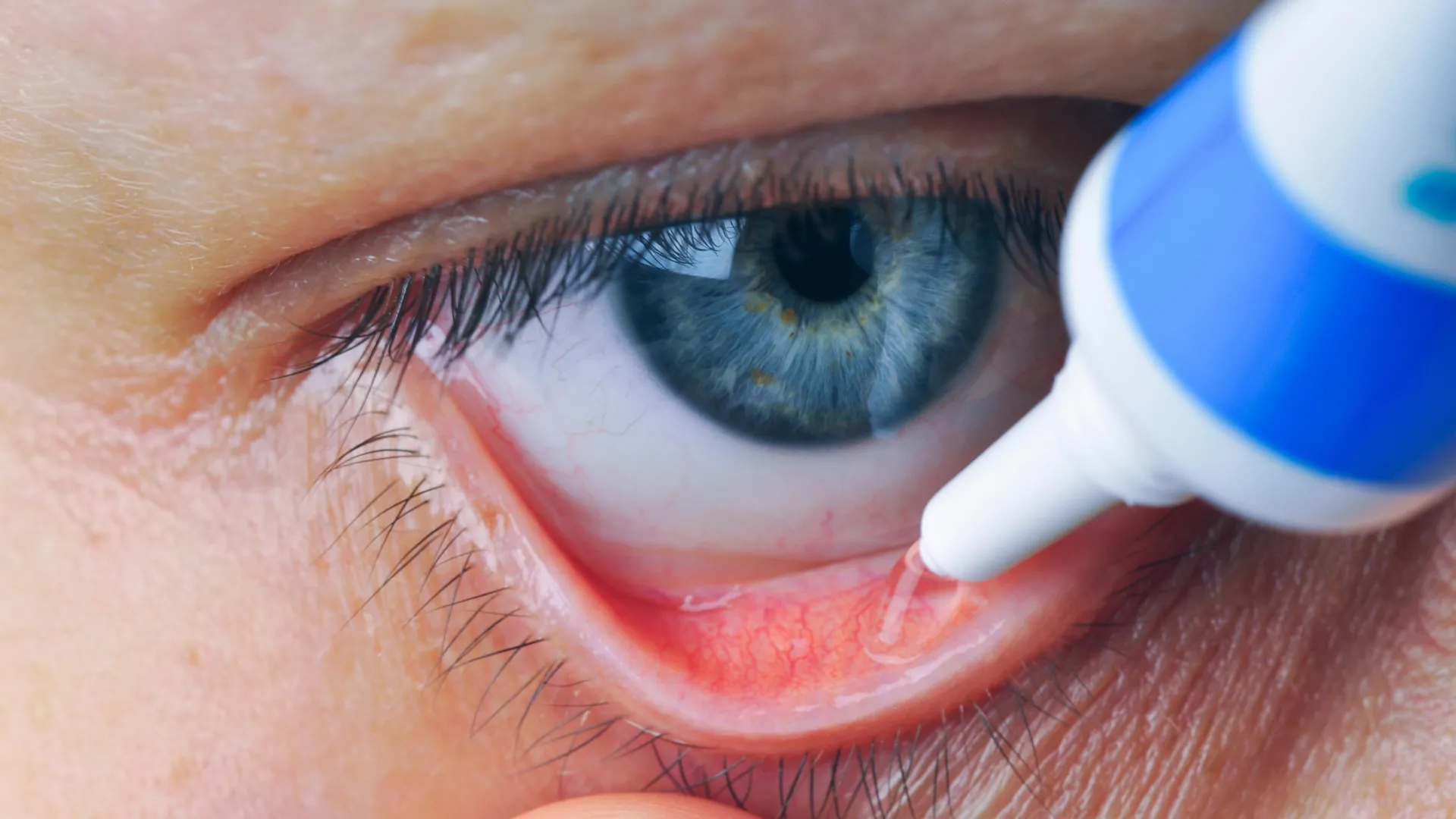
- Optogenetic gene therapy proved safe and partly restored sight in a 10-patient trial of people with advanced retinitis pigmentosa, according to results published in the New England Journal of Medicine.
- The treatment involves a single eye injection of a light-sensitive protein via a harmless synthetic virus into retinal ganglion cells, paired with goggles that convert images into single-wavelength light pulses.
- Six of 10 participants achieved clinically meaningful improvements in light sensitivity, and some were able to detect and touch a notebook, locate a door and walk on a line while wearing the goggles.
- Only one severe eye-related side effect occurred — resolving within minutes — with no body-wide side effects across up to five years of follow-up; patients who trained more with the goggles tended to do better.
- Lead author Prof Botond Roska said participants cannot yet detect faces because treated ganglion cells form a ring around the fovea, with the team aiming for high-resolution vision within 5–10 years.
- The approach works irrespective of the exact genetic cause of sight loss and targets ganglion cells rather than photoreceptors; the disorder is thought to affect more than 1.5 million people worldwide.
Why it matters: For an estimated 1.5 million people worldwide with advanced retinitis pigmentosa, the trial delivers the first multi-patient evidence that optogenetics can yield durable, meaningful light sensitivity — independent of the underlying mutation. Face-level vision remains out of reach until the fovea can be treated within the team's stated 5–10 year window.
Ask SkimNews