Geely prepares revolutionary 500 Wh/kg solid-state EV battery that could beat diesel — SkimNews
Get the Energy newsletter
Daily energy & climate — solar, EVs, oil, the policy fights and tech bets shaping the transition. Free.
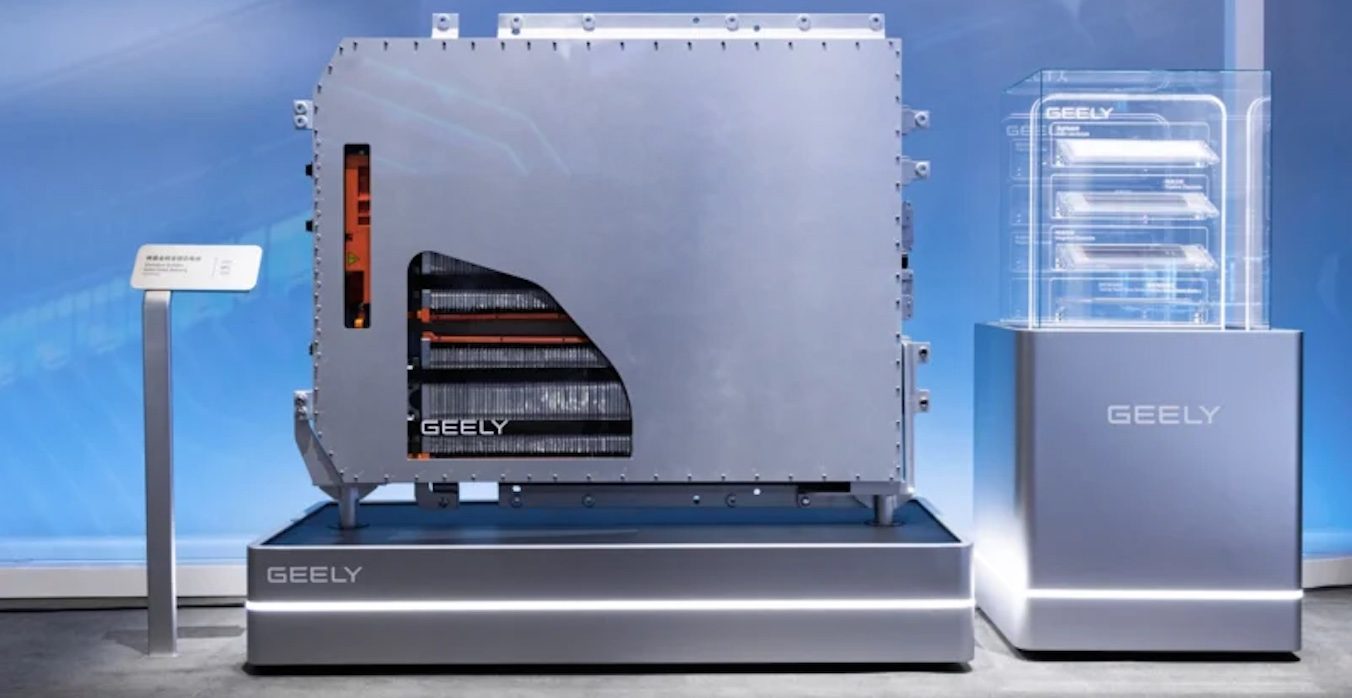
- Geely announced a solid-state EV battery targeting 500 Wh/kg — roughly double the best production lithium-ion cells (high-nickel NMC at 250–300 Wh/kg, Tesla's 4680 at ~245 Wh/kg) — and claims vehicles using the cells will get 1,000+ km of range and up to 1 million km lifespan.
- Real-world validation began in 2026 and pilot deployment is slated for 2027 across Geely's brands (Geely, Zeekr, Lynk & Co, Volvo, Polestar, Lotus, Smart), with Dow Chemical named as a materials partner for an adhesive engineered to stay stable from –40 °C to 120 °C.
- Geely has not disclosed the cell chemistry (sulfide vs. oxide electrolyte, anode type) and has not announced a date for mass production at a cost that works in a $30,000 car.
- The 2027 pilot window is crowded: CATL targets 2027 for its own 500 Wh/kg sulfide solid-state pilot, BYD is chasing 2027 for all-solid-state demos before mass production later in the decade, and Toyota has pointed at 2027–2028 for its solid-state debut.
- The claim is measured against Zeekr's current "Golden Brick" LFP pack, rated around 128 Wh/kg at the pack level — making the 500 Wh/kg cell-level target a near-doubling rather than incremental gain.
- In January, Geely committed to building its first in-house solid-state pack on an existing EV platform for testing; the 500 Wh/kg target is the next step up from that program.
Why it matters: Geely's 500 Wh/kg target could double today's pack energy density, enabling 1,000+ km of range or hundreds of kilos of weight savings — but CATL, BYD, and Toyota all name 2027 as their pilot window, and Geely hasn't disclosed chemistry, a mass-production date, or third-party cycle-life data. The milestone only matters if any of them actually crosses it.
Ask SkimNews