IPCC AR7 Timeline Deadlocked at Fifth Straight Meeting — SkimNews
Get the Energy newsletter
Daily energy & climate — solar, EVs, oil, the policy fights and tech bets shaping the transition. Free.
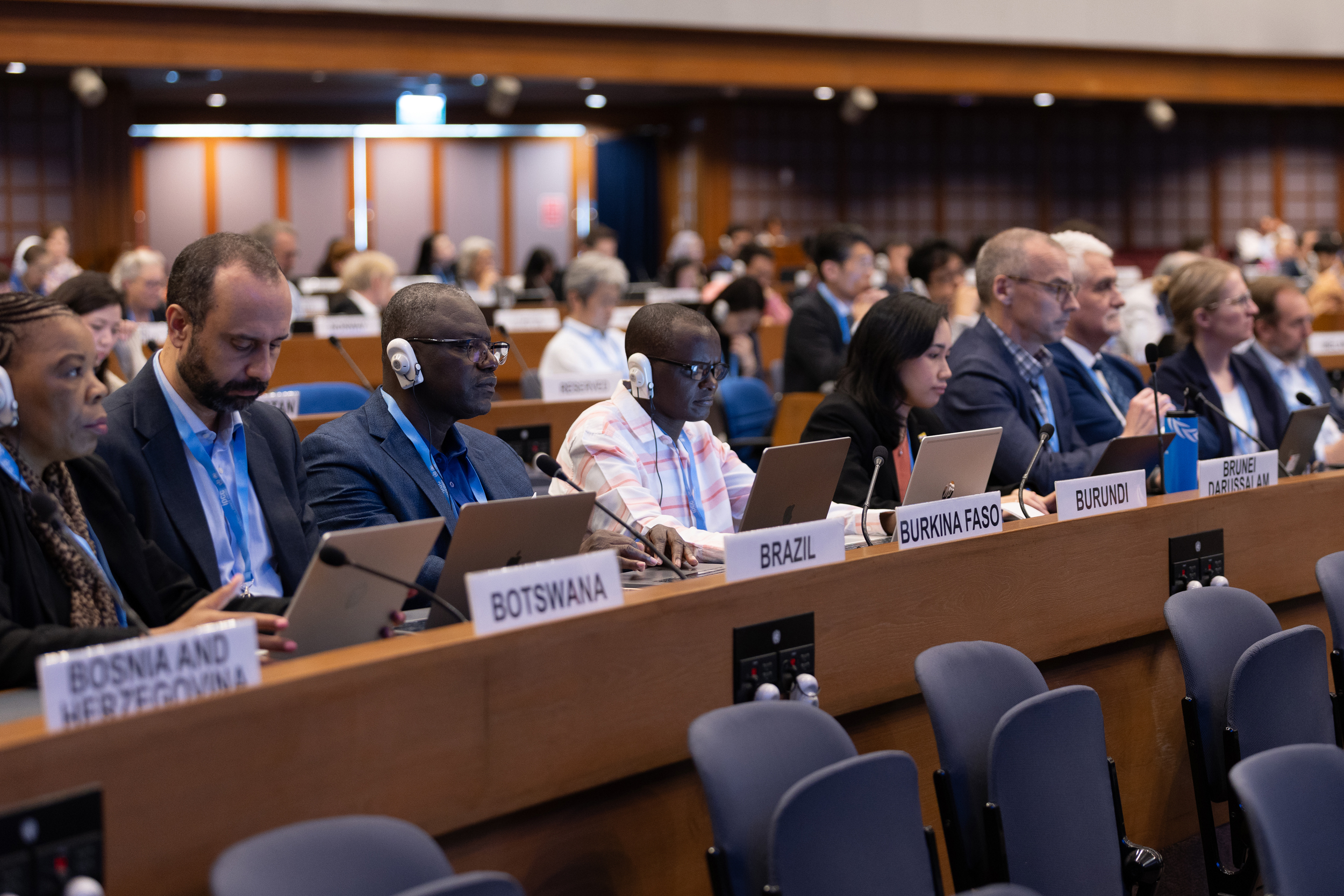
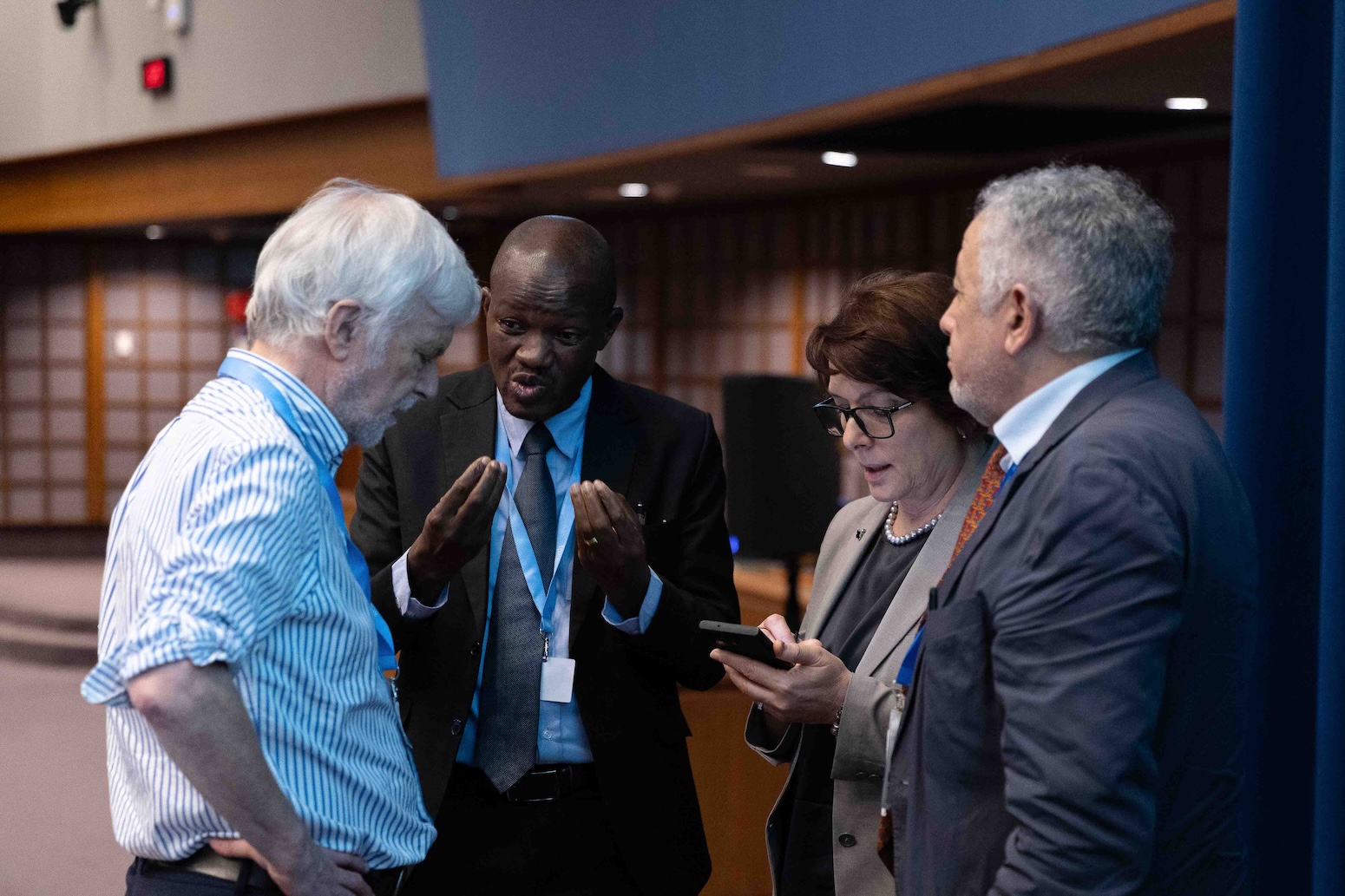
- IPCC-64 in Bangkok brought together ~330 delegates from 100+ countries but produced no agreement on the AR7 timeline, the fifth straight session to deadlock on whether the three working group reports should be published in 2028 or pushed to 2029.
- Jim Skea called the outcome "frustrating and disappointing," saying decisions were made "to postpone the decision making rather than to take decisions," and that IPCC-65 will now take place in Addis Ababa.
- A coalition of Saudi Arabia, China, India, Kenya, and Russia argued for the longer 2028-2029 timeline on the grounds that developing nations need more time to review the reports, while a broader majority of countries — including LDCs and small island states — backed the co-chairs' plan to align the reports with the 2028 global stocktake.
- Saudi Arabia "insisted" the timeline issue be added to the agenda on the meeting's first day, warning that deferring it "risked a scenario in which the budget would not be approved," prompting the creation of a contact group co-chaired by Brazil and Canada to advise on progress.
- The Netherlands warned that publishing the AR7 reports after the global stocktake would "significantly lower" their policy relevance, calling the debate "heated and polarised" — language the delegation noted had never before been used in IPCC timeline discussions.
- An observer told Carbon Brief that logistical issues from the war in Iran contributed to some developing countries' decision not to attend, compounding a gap the Cook Islands flagged when it said "time is of the essence and further submissions from members should not be invited."
Why it matters: The five-meeting deadlock puts the IPCC's flagship science at risk of arriving after the 2028 global stocktake — the mechanism designed to inform countries' next round of national climate goals under the Paris Agreement. With Saudi Arabia, China, and Russia pushing publication of at least two working group reports to 2029, the world's climate ambition-ratcheting exercise could proceed without the IPCC's latest assessment in hand.
Ask SkimNews