EU Foreign Ministers Sanction Israeli Settler Groups — SkimNews
Get the Geopolitics newsletter
Daily geopolitics — wars, elections, sanctions, the diplomatic moves that move markets. Free.
- EU foreign ministers approved sanctions on Israeli settler groups, including Amana, HaShomer Yosh, Regavim, and Nachala, imposing travel bans, asset freezes, and denial of access to EU financial institutions.
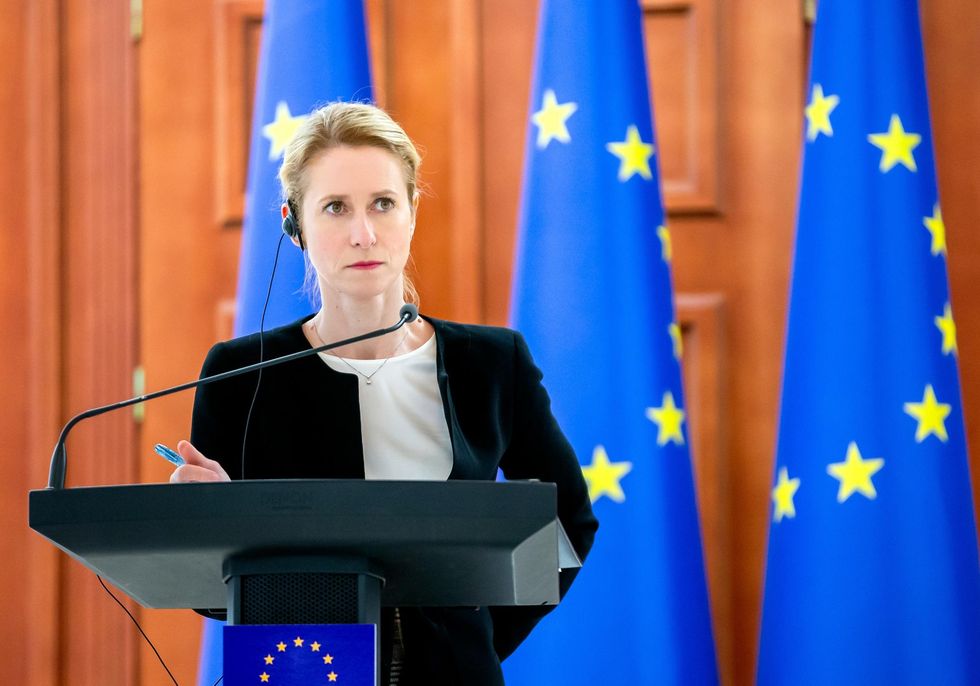
- Kaja Kallas said the sanctions were “high time we move from deadlock to delivery” and that extremism and violence carry consequences.
- Benjamin Netanyahu condemned the EU sanctions as “moral bankruptcy” and accused Europe of doing “dirty work” alongside the U.S.; foreign minister Gideon Sa’ar called the move “arbitrary and political.”
- Hungary lifted its longstanding veto, enabling the EU decision, while the Czech Republic and Germany did not block the measure.
- European External Action Service ruled Israel breaches the EU‑Israel Association Agreement’s human‑rights clause, yet the EU has not suspended the agreement, and Spain, Ireland and Slovenia’s calls for suspension were outvoted by Germany and Italy.
- Left Group in the European Parliament called the sanctions “bare minimum” and urged a Union‑wide ban on illegal settlement goods, suspension of the association agreement, and a two‑way embargo.
- France backed restrictions on trade with illegal settlements, and Sweden and the Netherlands joined the push, while opposition parties in Italy introduced a bill to stop imports from settlements.
Why it matters: The sanctions impose direct financial and travel penalties on a handful of settler entities, while the EU maintains trade ties with the broader settlement economy, meaning the targeted groups face new costs but the larger settlement project continues to benefit from EU market access.
Ask SkimNews