EU Ministers Deadlocked on Israel Sanctions and Ukraine Aid — SkimNews

Get the Geopolitics newsletter
Daily geopolitics — wars, elections, sanctions, the diplomatic moves that move markets. Free.
- EU foreign ministers at the Sept 1-2 Gymnich meeting in Wicklow failed to reach consensus on Israel sanctions and Ukraine military support, with Ireland's Helen McEntee declaring 'we have reached an impasse.'
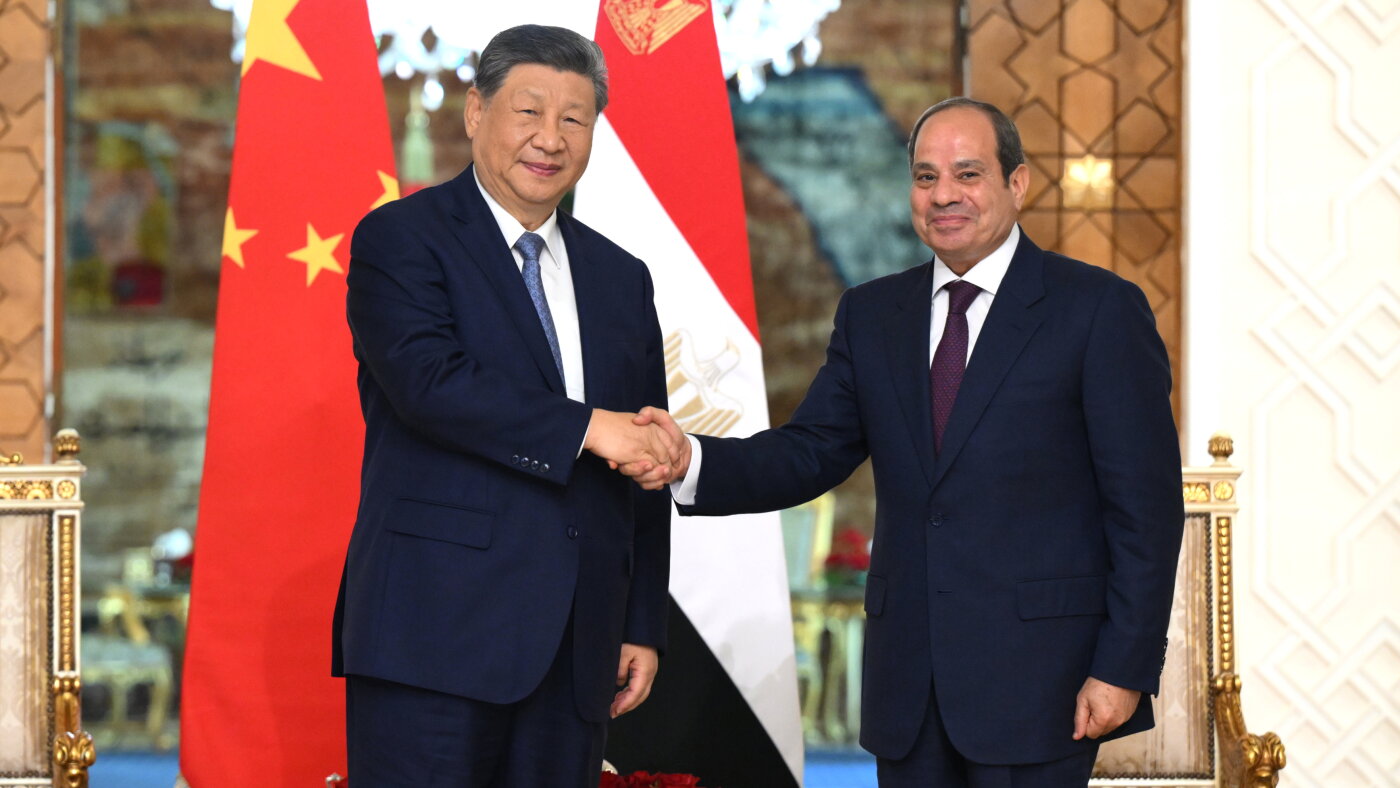
- Ireland and Spain pushed for EU-wide trade curbs on goods from illegal Israeli settlements in the occupied West Bank, but Germany and Hungary opposed the move despite the EU being Israel's largest trading partner with over $50bn in bilateral trade.
- Greece and Spain — two of Ukraine's most vocal supporters — blocked using common EU funds to finance additional air defense systems, leaving Kyiv without the missiles and interceptors it had sought.
- Belgium resisted a push from Poland, Sweden, Denmark, and the Netherlands to use frozen Russian sovereign assets to finance Ukraine's military effort, citing unresolved legal and financial concerns.
- France's Jean-Noel Barrot called Israeli condemnations 'a good start, but not enough,' referencing National Security Minister Itamar Ben-Gvir's call for mass displacement in Gaza.
- Luxembourg's Xavier Bettel captured the mood with a blunt verdict: 'We are a dog that barks but doesn't bite,' criticizing the EU's inability to sanction Israel.
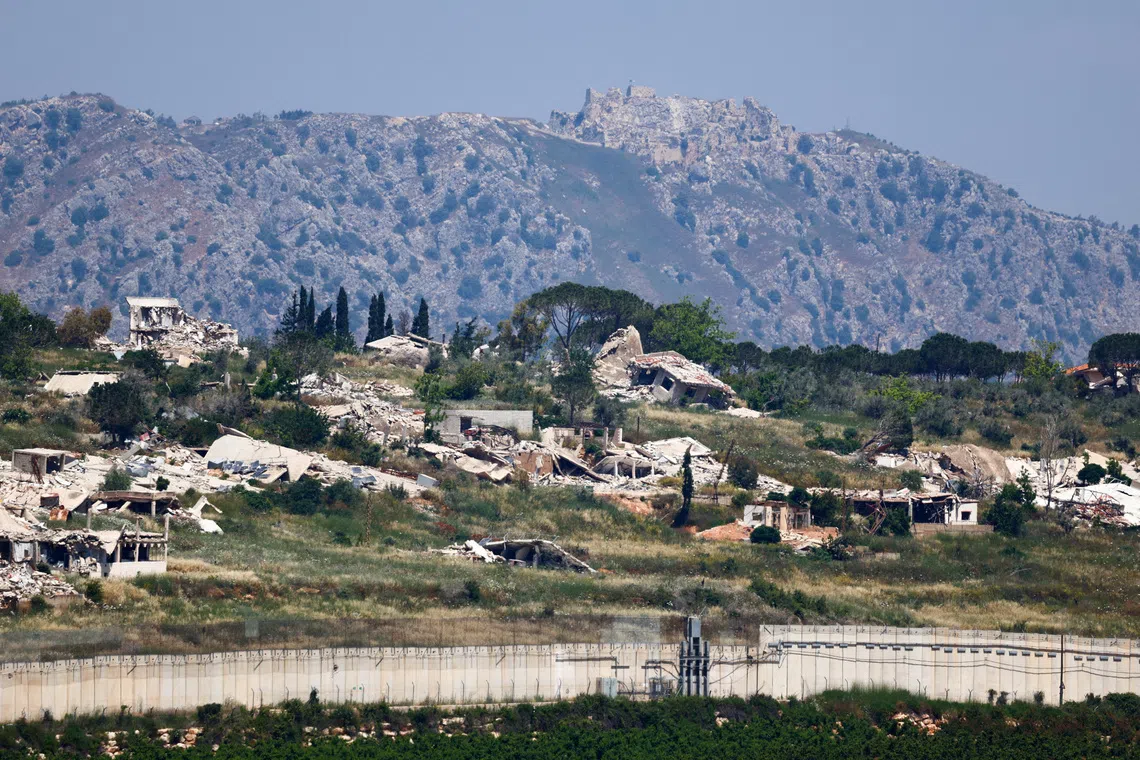
- Ministers also discussed the seventh-month US-Israel war on Iran and a possible EU mission to train the Lebanese army as UNIFIL's mandate expires this year.
Why it matters: The unanimity rule means even broad majorities cannot move the EU to act: Germany and Hungary blocked Israel sanctions while Greece and Spain — both vocal Ukraine supporters — blocked common funding for Kyiv's air defense. The bloc can denounce crises but cannot impose consequences on any of them, from settlements to frozen Russian assets.
Ask SkimNews