Iran warns US against Israeli attack on south Lebanon ridge held by Hezbollah, sources say — SkimNews
Get the Geopolitics newsletter
Daily geopolitics — wars, elections, sanctions, the diplomatic moves that move markets. Free.
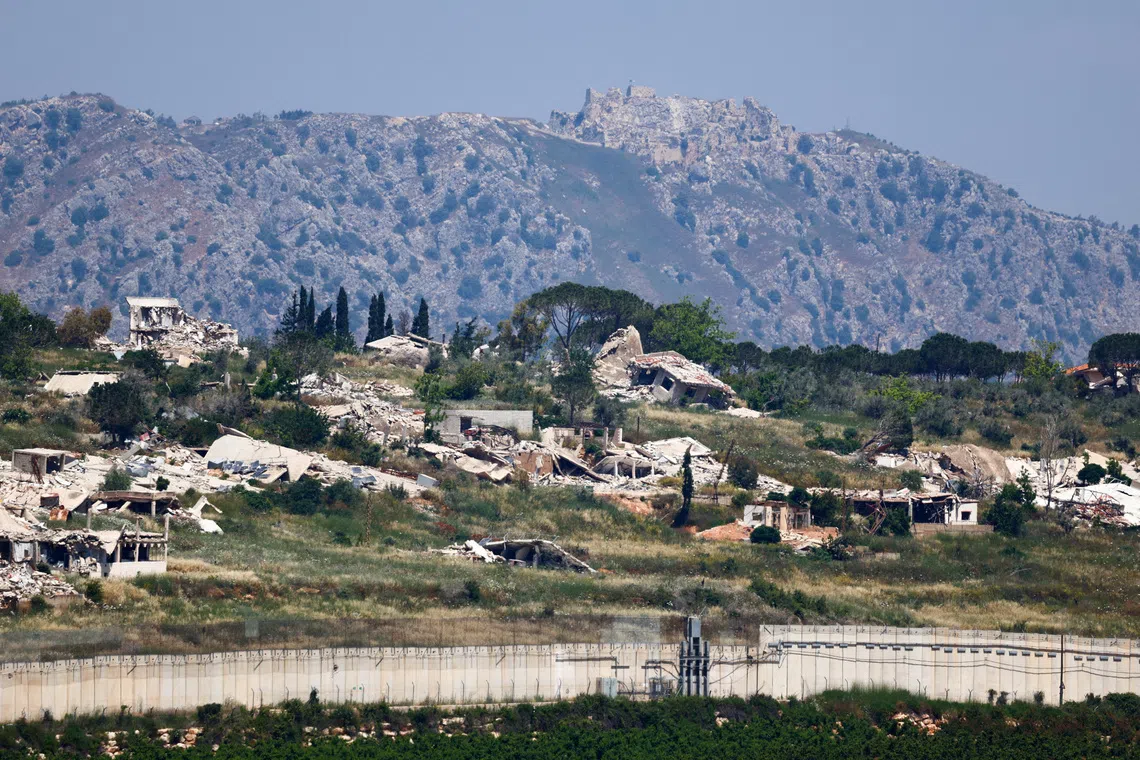
- Iran warned the US via Oman around mid-August that a full-fledged Israeli offensive on the Ali al-Taher ridge in southern Lebanon would be met with a "large-scale Iranian attack," three officials briefed on the message told Reuters.
- Hezbollah has built an underground command center and weapons stores inside the ridge, which overlooks southeastern Lebanon, and warned that an attack would mean a return to full-blown war with missiles landing on northern Israeli communities.
- Regional officials briefed by Tehran said over a dozen Islamic Revolutionary Guards Corps members, including at least two senior officers, are holed up on the ridge alongside Hezbollah fighters.
- The Israeli military has declared Ali al-Taher a "primary operational focus," occupied territory to its south, and is now besieging it by shooting down drone deliveries of food and water to those inside.
- Iran invoked the June US-Iran Islamabad Agreement, with Hezbollah's media office calling any Israeli territorial expansion in southern Lebanon—specifically Ali al-Taher—a "major violation" of the ceasefire memorandum.
- Israeli newspaper Maariv, citing a military source, reported the IDF assessed there were no IRGC forces at Ali al-Taher, directly contradicting the presence claimed by Tehran and the regional officials.
- A White House official told Reuters the report of Iran's warning was "not accurate," while the Israeli military, Iran's Geneva mission, and the Pentagon declined to comment.
Why it matters: The Ali al-Taher ridge is now a flashpoint where Iran's covert military presence, the June US-Iran ceasefire memorandum, and Israel's stated operational goals all collide, with the IDF and Iran publicly contradicting each other on whether IRGC troops are even there. If Israel moves on the ridge despite Tehran's warning, the threatened "large-scale" retaliation could reopen a direct Iran-Israel front seven months into a war the US has been trying to contain.
Ask SkimNews