Iran pledges no bomb; U.S. promises sanctions relief, $300 billion financing; agreement’s leaked text shows — SkimNews

Get the Geopolitics newsletter
Daily geopolitics — wars, elections, sanctions, the diplomatic moves that move markets. Free.
- Iran pledged in the leaked draft to 'never produce nuclear weapons,' a commitment it also made in the 2015 Obama-era deal that Trump abandoned in 2018, after which Tehran enriched uranium to higher purity.
- The U.S. committed to lifting sanctions on Iranian crude oil, petrochemical products, and financial services including banking during negotiations, and to releasing frozen Iranian assets contingent on progress toward a final agreement.
- The framework includes a $300 billion plan for Iran's 'rehabilitation and economic development' — though the leaked text sets no timeline, and the article notes the Trump administration publicly said 'no cash would be sent to Iran.'
- The U.S. and Iran agreed to negotiate core issues, including the fate of Iran's highly enriched uranium, for a final deal within 60 days 'extendable by mutual consent,' to be enshrined in a binding UN Security Council resolution.
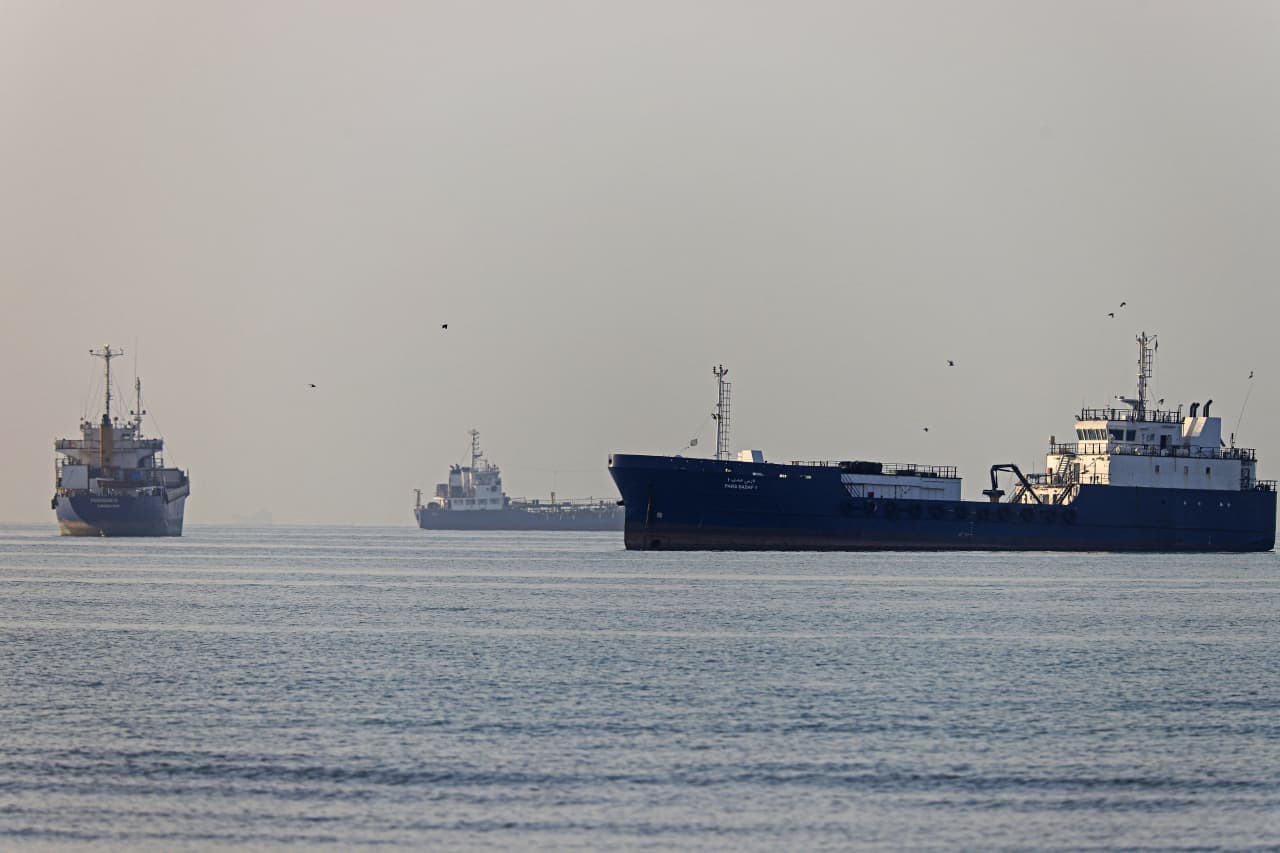
- The U.S. will lift its naval blockade immediately, and Iran will restore Strait of Hormuz traffic to pre-war volumes within 30 days while creating a new Persian Gulf Strait Authority to collect fees for 'environmental upkeep' — a sovereignty concession Trump publicly framed as 'toll-free.'
- The draft demands an 'immediate and permanent end to the war on all fronts, including Lebanon,' clashing with Israeli PM Netanyahu's stated refusal to withdraw troops from Lebanese territory and Hezbollah's pledge to continue armed resistance.
- Trump's posture has oscillated sharply: he launched the war on February 28 and called for regime change in Tehran, then disavowed regime change after announcing the MoU on June 15, and on Wednesday warned the deal is 'preliminary' and he would 'resume the war' if Iran fails to comply.
Why it matters: If signed, the deal would unlock $300 billion in financing and unfreeze Iranian assets in exchange for a no-nukes pledge, ending a war Trump launched less than four months ago — yet the lack of a funding timeline, the regime-change reversal, and Netanyahu's refusal to pull troops from Lebanon leave the agreement's durability in serious doubt.
Ask SkimNews