NBA free agency fact vs. fiction: Bobby Marks examines 10 offseason trends — SkimNews

Get the Sports newsletter
Daily sports — scores, transfers, the storylines from the leagues you actually follow. Free.
- The NBA's CBA has curbed free agent movement: only 35 free agents changed teams this summer, and 75% of players under contract remained on the same roster as last season.
- Extension incentives drove 104 players to sign extensions worth $13 billion under the current CBA — more total dollars than the 124 extensions totaling $11 billion signed under the prior CBA, with Donovan Mitchell taking a four-year, $272 million Cavs extension over a potential $353 million deal in 2027.
- Trade activity has overtaken free agency, with 41 players traded this offseason versus 35 free agent signings with new teams; stars Giannis Antetokounmpo, Jaylen Brown, Paul George and Miles Bridges were all moved.
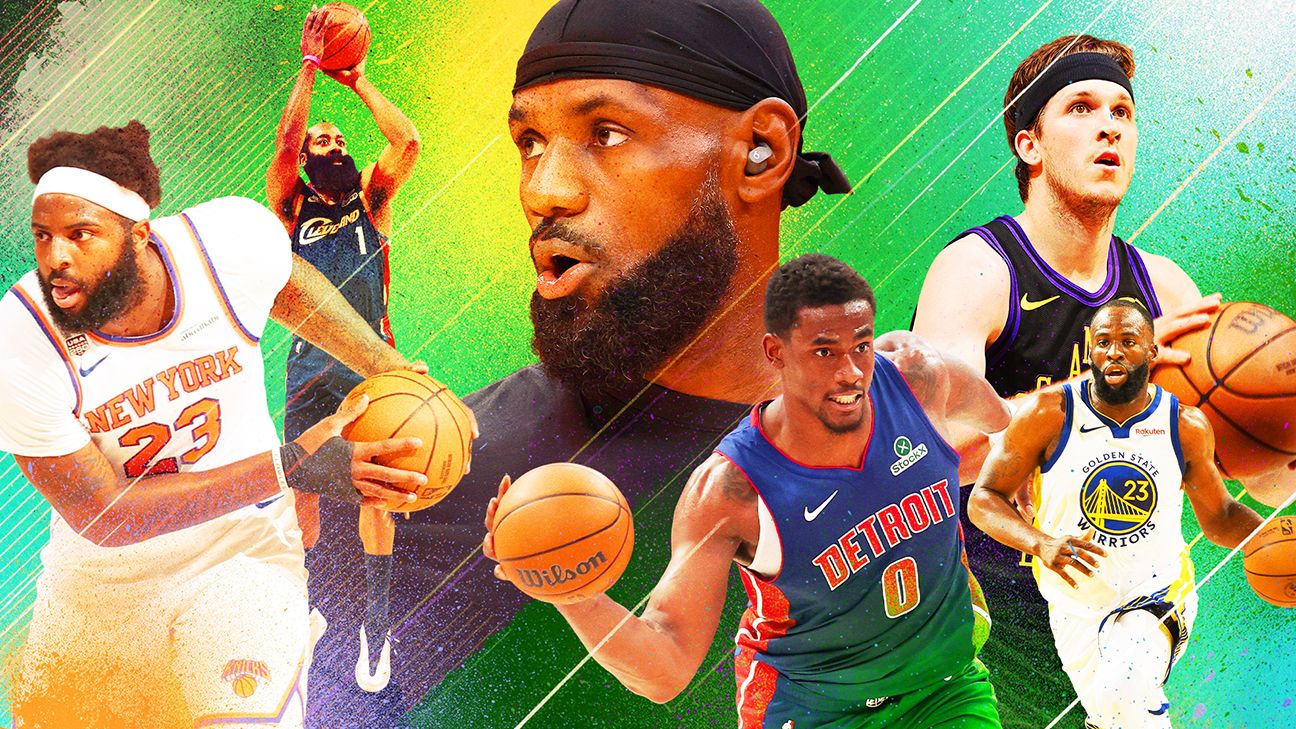
- The New York Knicks voluntarily treated the second apron as a hard cap, losing center Mitchell Robinson in free agency but re-signing four reserves (Landry Shamet, Jose Alvarado, Mohamed Diawara, Jordan Clarkson) for a combined $15 million — equal to Robinson's first-year salary in Boston.
- The Oklahoma City Thunder slashed payroll from $560 million to $234 million by trading Lu Dort, Isaiah Joe and Aaron Wiggins in three separate deals for future second-round picks while retaining Shai Gilgeous-Alexander, Jalen Williams and Chet Holmgren.
- Player salaries have climbed from $5.2 billion during the 2024 offseason to $5.8 billion so far this summer, but luxury tax penalties fell to $223 million across seven teams — a 67% drop from the prior CBA's final season.
- NBPA executive director David Kelly broke with the league's parity framing during Las Vegas Summer League, saying the union "should have done a better job of fighting back against the second apron" because it forces "decisions that are not basketball decisions."
Why it matters: The NBA's shift from free agency to trades — 41 trades versus 35 free agent signings — is now the league's stated norm, with the NBPA publicly conceding it 'should have done a better job' fighting the second apron. Teams like the Knicks are voluntarily hard-capping themselves even when retaining their own free agents, and second-apron payroll penalties have dropped 67% since the new CBA took effect.
Ask SkimNews