30 teams, 7 tiers: NBA franchises that will domina... — SkimNews

Get the Sports newsletter
Daily sports — scores, transfers, the storylines from the leagues you actually follow. Free.
- Brooklyn Nets and Chicago Bulls are the only two teams projecting more than $30 million in cap space this offseason — the Nets up to $37 million (with a path to acquire Julius Randle via the expanded Claxton trade exception), and Chicago up to $31 million after acquiring Claxton from Brooklyn to fill its center void.
- Chicago Bulls must reach $148.5 million in total salary by opening night to satisfy the 90% floor on the $165 million cap, or forfeit an ~$8 million end-of-season distribution to non-tax-paying teams.
- The NBA's 2023 CBA has compressed league-wide spending power — only three teams (Nets, Grizzlies, Bucks) used cap room to improve rosters or acquire salary via trade in the 2025 offseason.
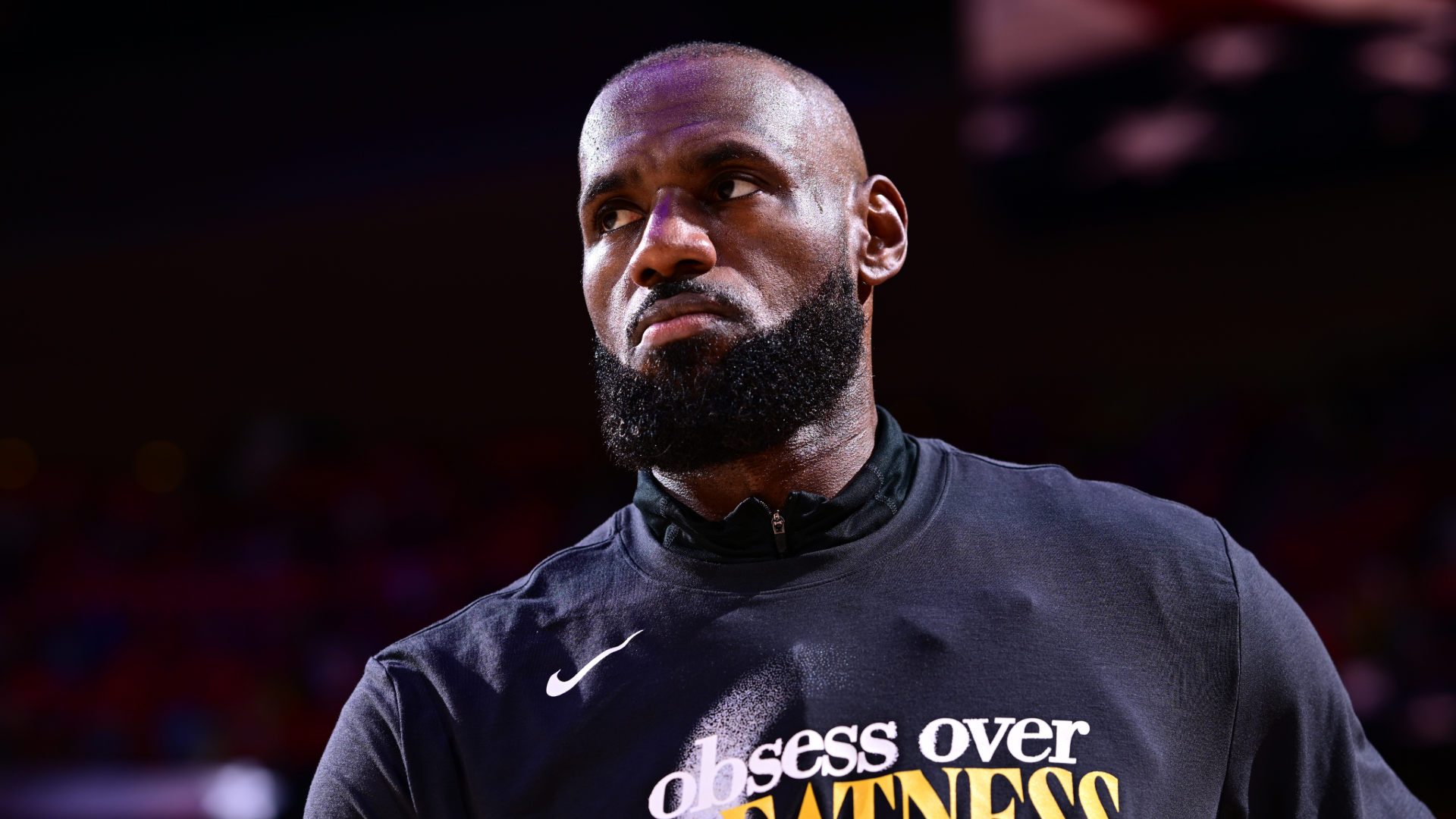
- The Los Angeles Lakers could create up to $47 million in cap space by renouncing LeBron James, Rui Hachimura and Luke Kennard — or sign James near $25 million and retain roughly $25 million in room plus the $9.4 million midlevel exception.
- Atlanta Hawks face a June 29 deadline on Jonathan Kuminga's $24.3 million team option and a June 25 deadline for Buddy Hield's $9.7 million contract (only $3 million currently protected).
- The Detroit Pistons could open up to $21 million in cap room by renouncing every free agent except Jalen Duren, waiving Duncan Robinson, and trading Caris LeVert.
Why it matters: The cap space squeeze leaves most of the league maneuvering around apron restrictions rather than spending freely, shrinking the depth of bidders for top free agents this summer. Chicago's floor requirement — $148.5 million in salary by opening night, or forfeit ~$8 million — shows how the 2023 CBA now punishes small-market teams that hold back, not just rewards those that spend.
Ask SkimNews