How the Democrats will try to stop Trump’s Iran war — SkimNews

Get the Geopolitics newsletter
Daily geopolitics — wars, elections, sanctions, the diplomatic moves that move markets. Free.
- Democrats can pursue three main routes after the sweeping U.S. midterm victory—binding legislation, congressional investigations and restricting war funding—though ending the Iran war through law would require two-thirds majorities in both chambers to overcome Trump’s likely veto.
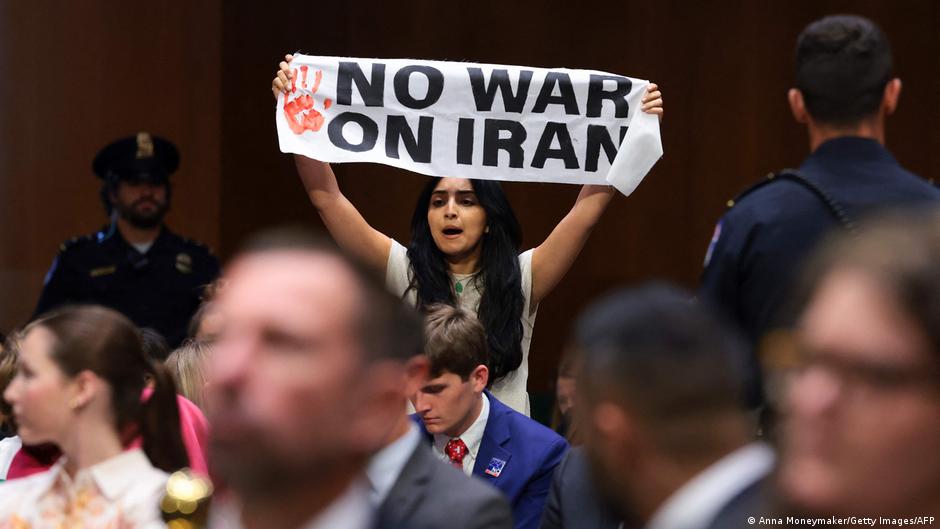
- Under the War Powers Resolution of 1973, Congress passed a June concurrent resolution with some Republican support directing Trump to withdraw U.S. forces from hostilities against Iran or seek Congress’s approval to continue; Trump ignored it, and a similar resolution failed in the Senate in September.
- Pete Hegseth could be targeted for impeachment if Hakeem Jeffries seeks to appease voices within his party, though the article says the grounds are unclear and conviction is unlikely without significant Republican defections; hearings, subpoenas and document demands would be a protracted process unlikely to end the war swiftly.
- After the new Congress is sworn in January, Article I, Section 9 requires House and Senate approval for every new dollar the Department of War wants to spend, a mechanism Democrats could use to insert a defense-budget clause barring funds for hostilities against Iran.
- Trump could veto a defense-budget clause restricting Iran hostilities, but that would block military pay for everyone in the service; in 2007, George W. Bush vetoed a similar Iraq timetable and Democrats backed down amid growing fears of voter backlash.
- JD Vance said the Iran war was why Republicans lost, despite his long criticism of overseas military involvement and public backing of Trump; Trump acknowledged the war’s role in the crushing defeat but said he would repeat it to prevent Iran from acquiring a nuclear weapon.
- Iran can control the Strait of Hormuz, while Iran-aligned Houthis have attacked commercial ships near the Bab al-Mandeb Strait off Yemen; the U.S. military campaign has cost nearly $50 billion with few tangible achievements.
Why it matters: Once sworn in January, a Democratic Congress would control approval of every new defense dollar, giving it leverage over a campaign that has cost nearly $50 billion. For Trump, vetoing an Iran-funding restriction would also block military pay, a risk Democrats tried to avoid over Iraq in 2007.
Ask SkimNews