Duke researchers use mitochondria to ease chronic pain — SkimNews
Get the Health newsletter
Daily health & science — research, biotech, public health, the studies worth knowing. Free.
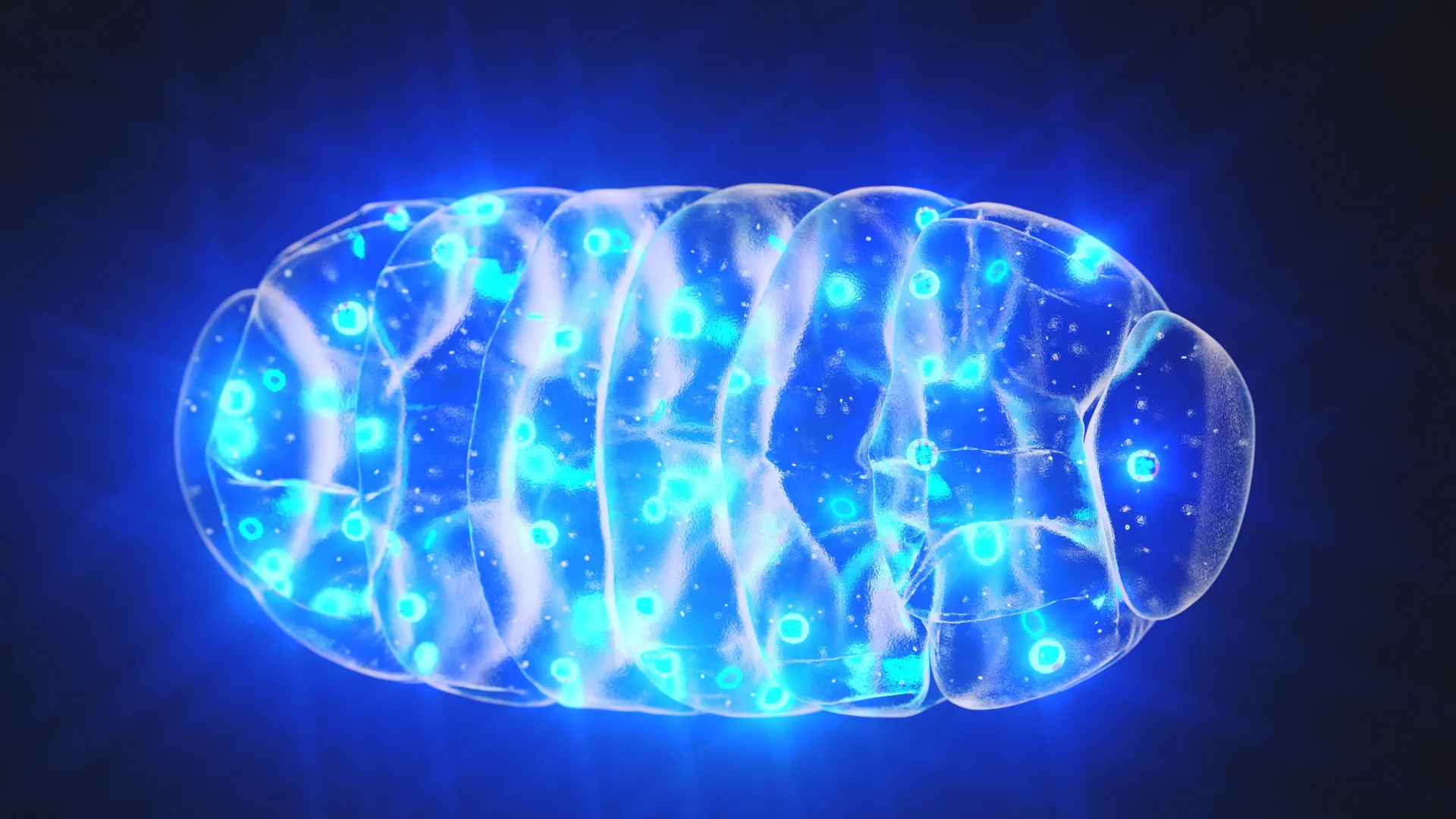
- Duke University researchers revived damaged nerves by delivering healthy mitochondria, cutting chronic pain in experimental models.
- Human tissue and mouse models showed the treatment lowered pain from diabetic neuropathy and chemotherapy‑induced nerve damage, with relief lasting up to 48 hours.
- Satellite glial cells pass mitochondria to sensory neurons through tunneling nanotubes, a previously unknown support mechanism that, when disrupted, leads to nerve deterioration.
- Ru‑Rong Ji said replenishing mitochondria reduces inflammation and promotes healing, targeting the root cause of nerve pain.
- Nature published the study, adding to evidence that intercellular mitochondrial transfer is a natural support system across diseases.
Why it matters: Patients with diabetic neuropathy and chemotherapy‑induced pain could gain a therapy that cuts discomfort for up to 48 hours, potentially reducing reliance on opioids and lowering healthcare costs.
Ask SkimNews