Singapore Faces UAE-Style Risks Over Malacca Chokepoint — SkimNews

Get the Geopolitics newsletter
Daily geopolitics — wars, elections, sanctions, the diplomatic moves that move markets. Free.
- Iran has pummeled the UAE with missiles and drones during the U.S.-Israeli war, citing the UAE's long-standing security partnership with the United States, badly battering Dubai's tourism, business, and seaborne trade.
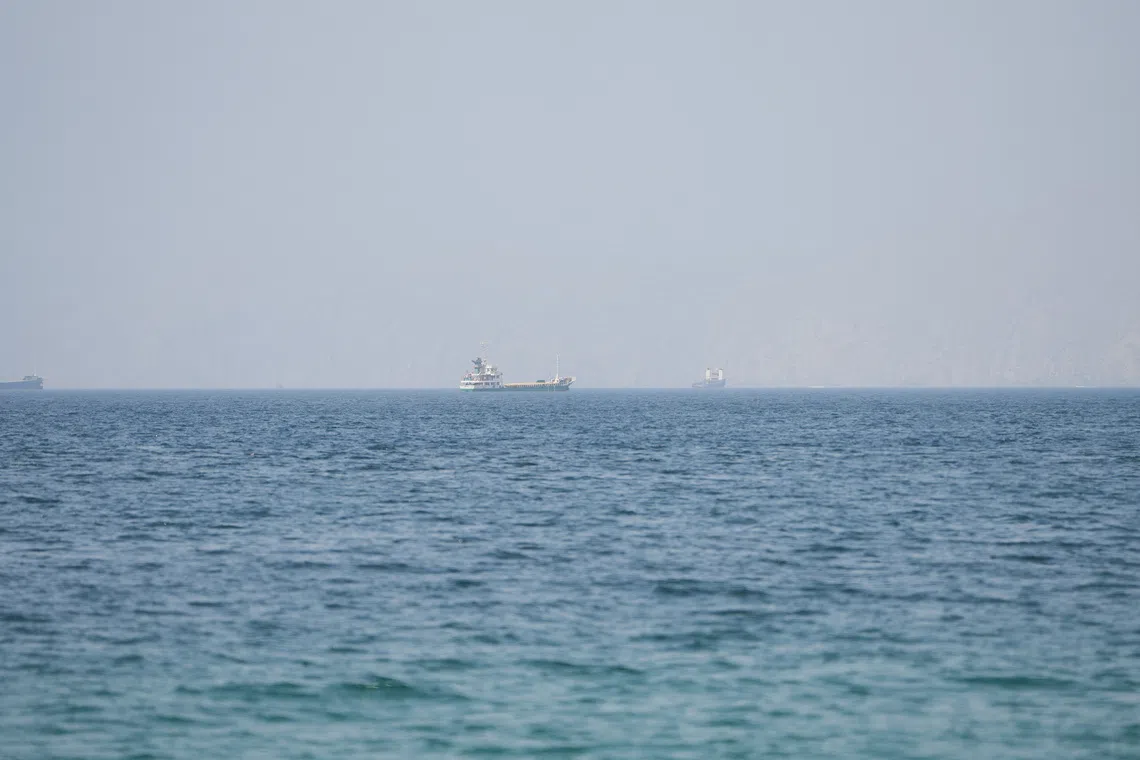
- Iran's quasi-closure of the Strait of Hormuz has largely stopped the UAE's seaborne oil, LNG, food, and other imports and exports, shattering the country's aura of 'splendid isolation' for years to come.
- Singapore maintains a strong but quiet security partnership with Washington, buying most of its military equipment from the U.S., conducting extensive joint exercises, and providing logistics support to the U.S. Navy at Changi Naval Base.
- The Strait of Malacca carries an estimated 23 to 29 million barrels of oil per day and accounts for a quarter to a third of global trade, but at its narrowest is just 1.7 to 1.8 miles wide — compared with 21 miles for the Strait of Hormuz.
- Chinese experts call the strait China's 'Malacca dilemma,' with roughly 60% of Chinese trade and 80% of China's crude oil imports transiting the waterway — a vulnerability Beijing has tried to mitigate via pipelines, a Thai canal proposal, and a strategic petroleum reserve.
- Trump recently ordered a Marine expeditionary unit from Okinawa to the Middle East through Malacca, a transit that already takes one to two weeks and would lengthen further if the strait were blocked.
- Analyst Derek Grossman recommends Singapore stay its course, elevate its role as a convener of great-power negotiations, and quietly engage in scenario-planning through the Five Power Defence Arrangements and with partners including India, Japan, and the United States.
Why it matters: The Strait of Malacca handles 23–29 million barrels of oil per day and roughly 30–45% of global seaborne oil trade through a channel as narrow as 1.7 miles, meaning any disruption would simultaneously threaten Singapore's trade-dependent economy, choke 80% of China's crude oil imports, and slow U.S. military redeployment to the Middle East — making Singapore's proximity to this chokepoint a far more extreme version of the vulnerability the UAE is now suffering.
Ask SkimNews