Japan Ties Military Spending to Economic Growth — SkimNews
Get the Geopolitics newsletter
Daily geopolitics — wars, elections, sanctions, the diplomatic moves that move markets. Free.
- Japan's Defence Ministry white paper argues that defence investment benefits the wider economy, using an anime-style cover of a smiling family in a cityscape — rather than troops or weapons — to project a "futuristic image."
- The white paper names China as "Japan's greatest strategic challenge," alongside threats from Russia and North Korea, and frames military expansion as necessary to deter a Taiwan conflict that could drag Japan into prolonged war.
- Prime Minister Sanae Takaichi drew a furious Beijing reaction in November after saying Japan could deploy its Self-Defense Forces if a Chinese attack on Taiwan also threatened Japan's survival; China demanded she retract the "egregious" remark.
- Tokyo has funded its largest military buildup since World War Two via tax increases, spending reforms and one-off revenues, pushing defence-related spending to 2% of GDP — though Takaichi has not explained how to pay for further expansion.
- Japan's government secured a record 122.3 trillion yen budget for the year to March 2027 and later added a 3.1 trillion yen supplementary package to cushion households and businesses from higher energy costs.
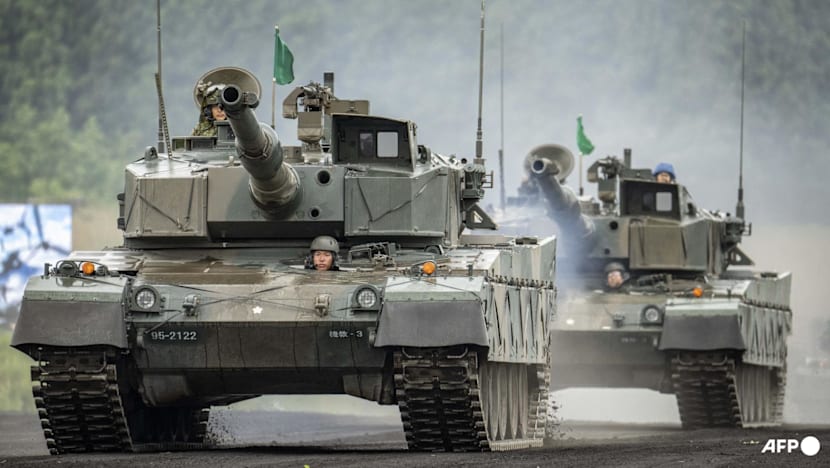
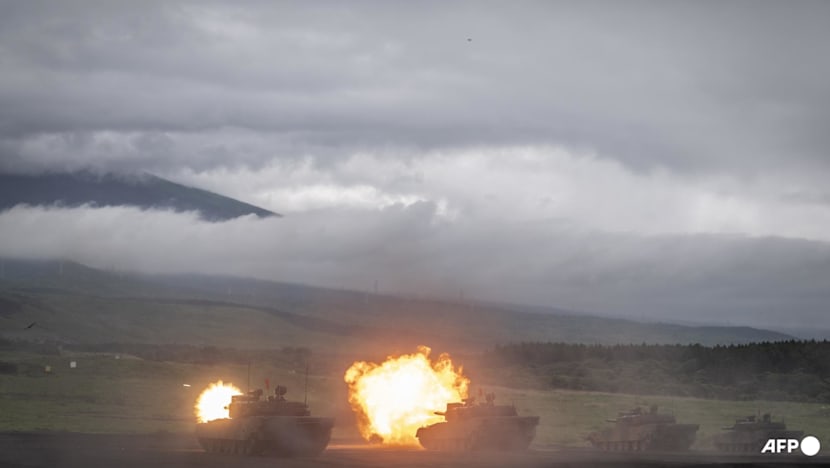
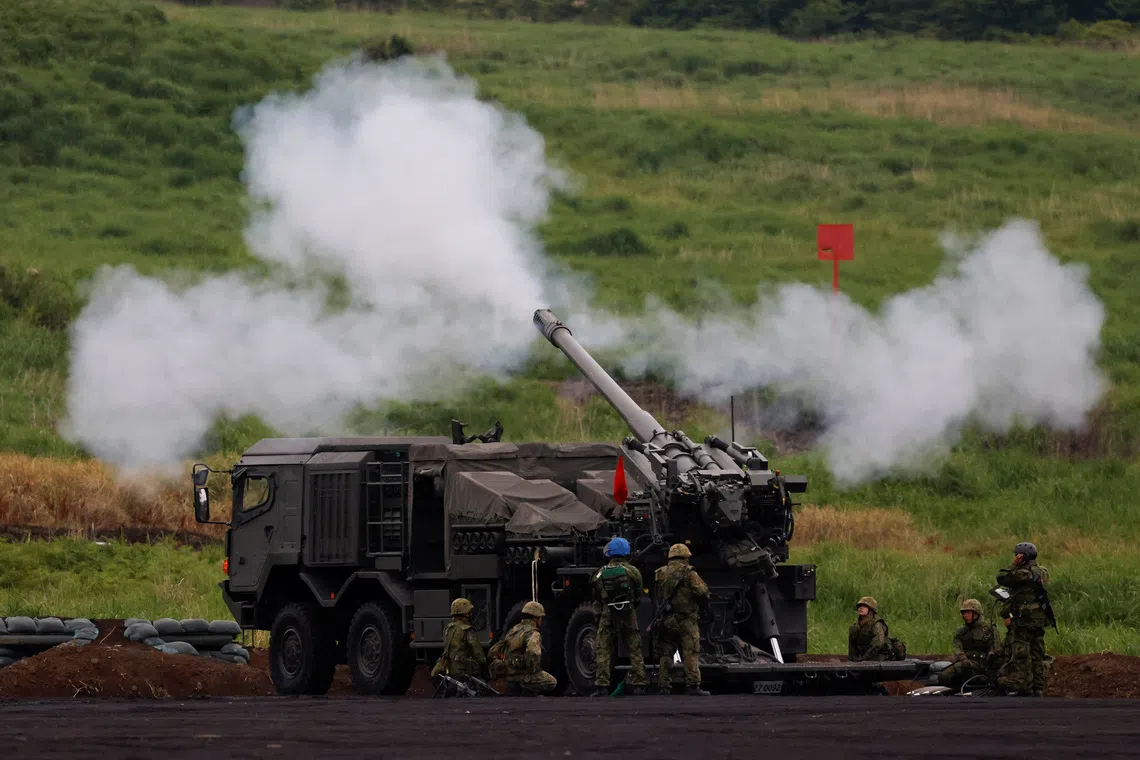
- New defence spending has gone mainly on missiles capable of striking targets more than 1,000 km away, with military experts expecting further increases to fund drones and unmanned weapons of the kind Ukraine has deployed against Russia.
Why it matters: Japan is recasting its largest post-WWII military expansion as a prosperity story to win public and fiscal support, with defence spending now at 2% of GDP and a record 122.3 trillion yen budget. But Takaichi has not yet shown how to fund further increases without straining public finances — and her Taiwan remarks have already put Japan on a collision course with Beijing.
Ask SkimNews