Artemis II Returns, $100bn Cost Sparks Debate — SkimNews
Get the Health newsletter
Daily health & science — research, biotech, public health, the studies worth knowing. Free.
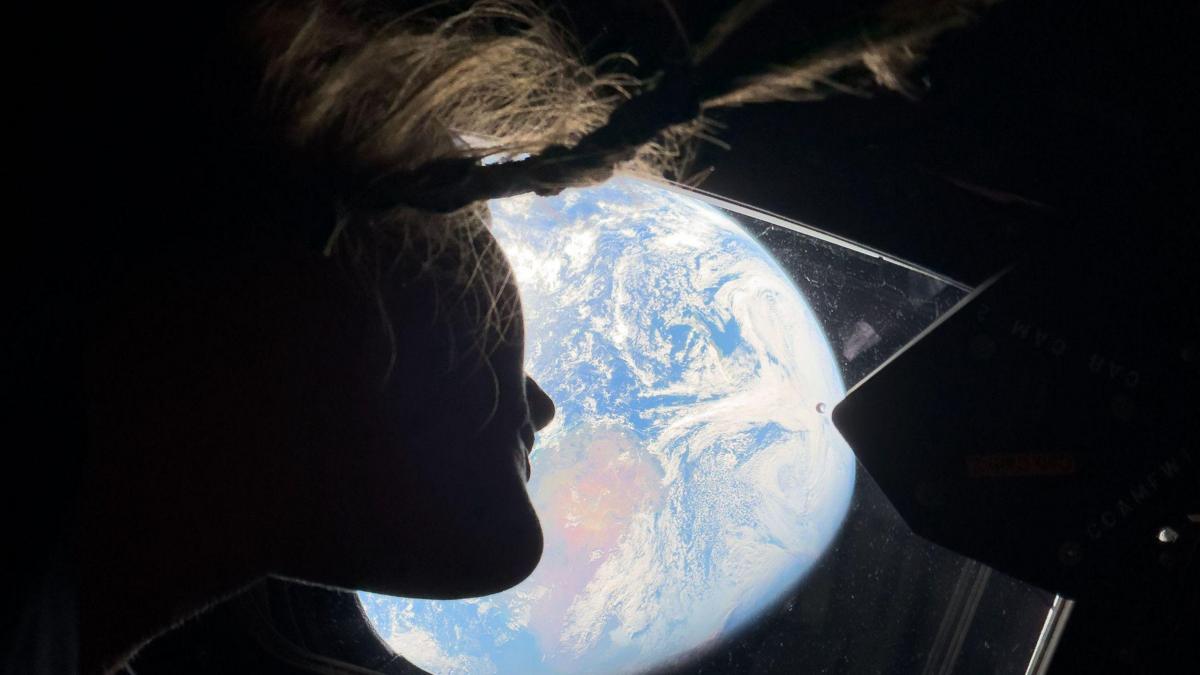
- NASA completed a 10‑day Artemis II mission that looped around the Moon, marking the second launch of the Artemis system and the first crewed flight.
- Artemis programme has accumulated roughly $100 bn in costs, and the July 2025 congressional “big beautiful bill” earmarks $9.9 bn for the upcoming Artemis IV and V missions.
- Robotic explorers such as Curiosity and Perseverance have operated for years with minimal failures, contrasting with the high life‑support costs of human crews.
- Chinese government has landed three robotic missions on the Moon, returned far‑side soil samples in 2024, and plans a south‑pole orbiter/lander/mini‑hopper in August and a 2028 lunar‑base equipment test.
- Artificial intelligence and advanced sensors are projected to enable near‑autonomous lunar surface exploration within the next 10‑20 years, diminishing the scientific advantage of humans.
- James Webb Space Telescope launched in December 2021 and operates in a deep‑space orbit inaccessible to routine astronaut servicing, showing that complex missions can succeed without crew.
- Hubble Space Telescope required astronaut repair after launch, but Riccardo Giacconi later argued that without human servicing, multiple copies could have been built with the saved funds.
Why it matters: Taxpayers and NASA confront a $100 bn Artemis bill, while proven robotic missions—such as Curiosity and Perseverance—can deliver comparable science at a fraction of the cost, reshaping funding priorities, reducing the justification for human crews, and shifting prestige toward nations that master autonomous lunar exploration.
Ask SkimNews