Pakistan pushes Iran-US talks as Hormuz attacks stretch into day 10 — SkimNews

Get the Geopolitics newsletter
Daily geopolitics — wars, elections, sanctions, the diplomatic moves that move markets. Free.
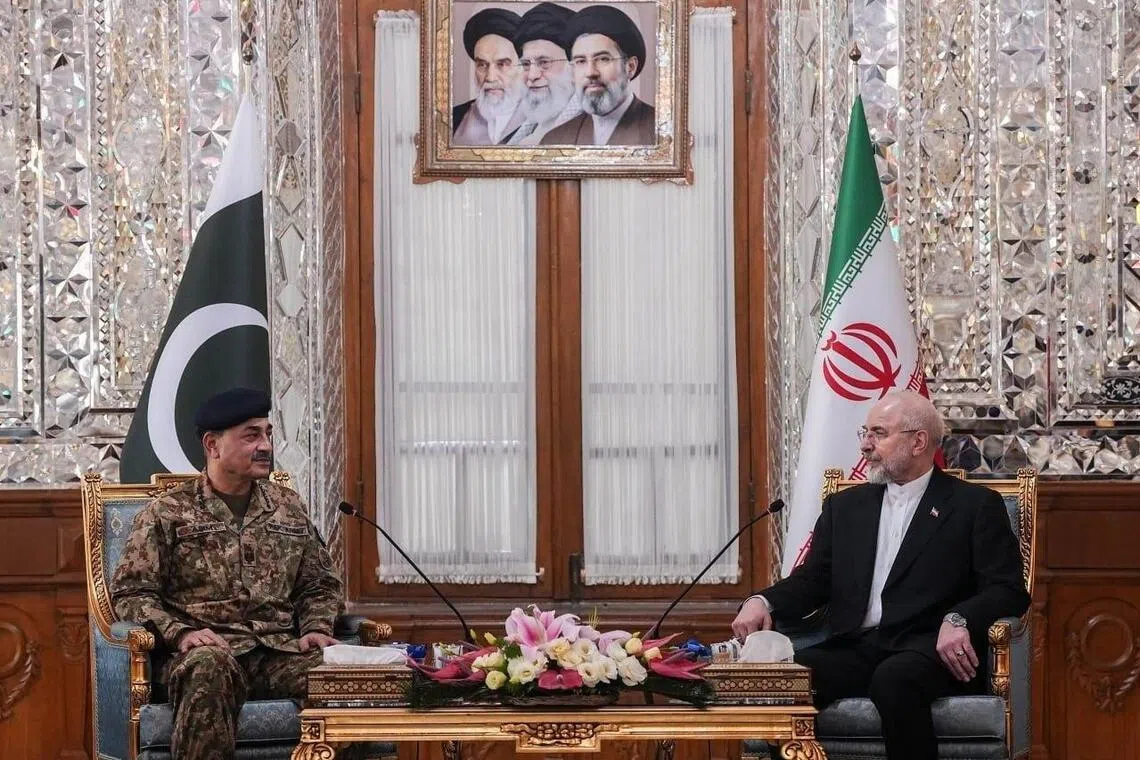
- Eskandar Momeni met Pakistan's army chief Field Marshal Asim Munir in Islamabad on Tuesday to revive the collapsed interim deal between Iran and the United States; Momeni was also expected to meet Prime Minister Shehbaz Sharif later that day.
- Iran's Revolutionary Guard claimed responsibility for an early-Tuesday attack on a tanker in the Strait of Hormuz that forced the crew to abandon the vessel, along with two other ship attacks on Monday — marking the 10th straight day of fighting since the June interim deal fell apart.
- US Central Command said it targeted Iranian military command centres, maritime capabilities, missile and drone launch sites, and air defence systems; Iranian state media reported explosions in the provinces of Fars, Hormozgan, Ilam, Kerman, and Sistan and Baluchistan.
- Strait of Hormuz shipping has nearly ground to a halt, with Lloyd's List Intelligence reporting only three ships passed through on Sunday; the waterway once carried roughly a fifth of all globally traded crude oil and natural gas.
- Brent crude was trading near USD 90 a barrel on Tuesday and US regular gasoline averaged USD 4 a gallon as the disruption pushed energy prices higher.
- Iran struck US-allied states across the region on Tuesday — Jordan said it shot down five drones and three missiles, while Bahrain activated missile alert sirens during an Iranian barrage targeting the island hosting the US Navy's 5th Fleet.
- Secretary of State Marco Rubio told reporters Sunday that Washington remained open to negotiations but that any deal 'has to be real'; the US State Department separately warned that Iran 'may target other US interests overseas or at locations associated with the United States and Americans throughout the world.'
Why it matters: The Strait of Hormuz — through which roughly a fifth of global crude and gas once flowed — has dropped to three ships a day, pushing Brent crude near USD 90 and US gasoline to USD 4 a gallon, costs now borne directly by importers and consumers while Pakistan attempts to revive a deal that ten days of US strikes have failed to produce.
Ask SkimNews