Iran's Gulf coercion makes US more essential, not less

Get the Geopolitics newsletter
Daily geopolitics — wars, elections, sanctions, the diplomatic moves that move markets. Free.
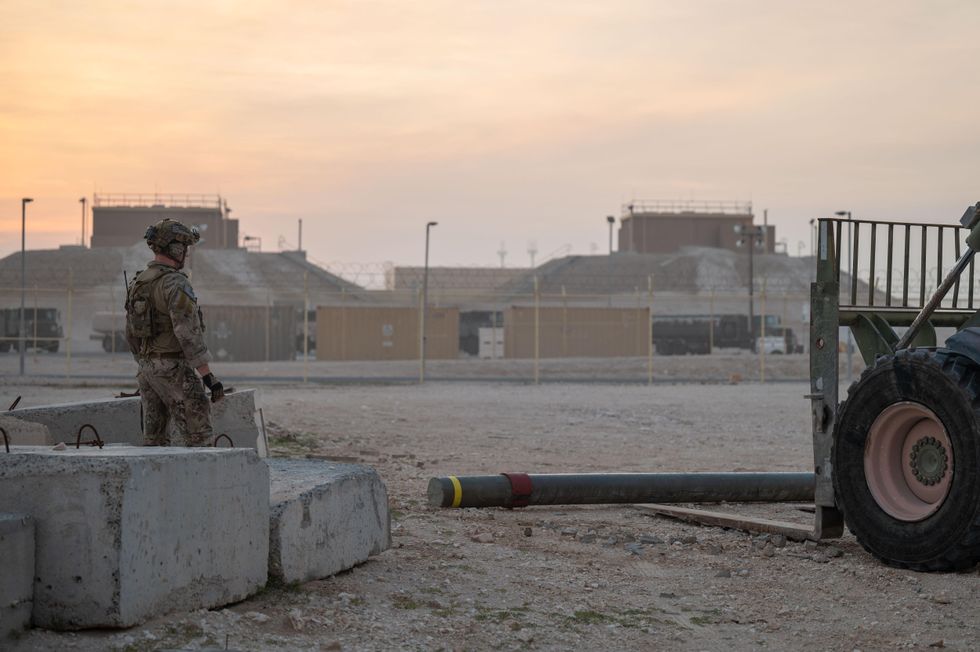
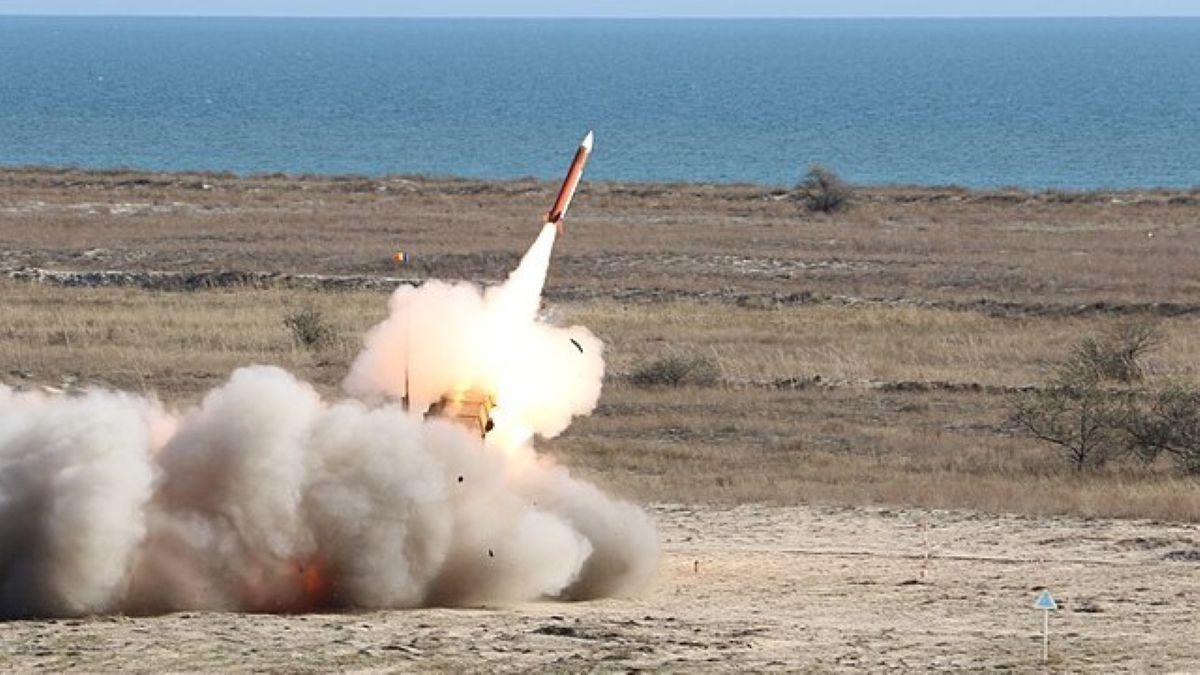
- Iran's strategy of targeting Gulf states aims to demonstrate that the US military presence is a liability rather than an asset, but Gulf states have instead reinforced ties with Washington — the UAE moved toward the Abraham Accords amid Iranian regional concerns and sought Israel's help during Iranian attacks this year, while Qatar sought stronger American security guarantees after being attacked.
- Gulf states lack a viable alternative security partner: the analysis notes that China currently lacks both the capability and intent to provide guarantees comparable to those of the United States, and no Gulf state would seek protection from a country threatening it.
- The Trump administration's National Security Strategy is gradually shifting focus away from the Middle East toward theaters of sustained strategic competition, seeking to reduce the direct US burden in the region while allowing regional states greater responsibility.
- Iran's regional overreach has hindered broader Arab convergence on the Palestinian cause, as Gulf leaders will not subordinate their security concerns to pan-Arab solidarity while viewing Iran itself as a source of regional instability.
- Pakistan signed the Strategic Mutual Defense Agreement (SMDA) with Saudi Arabia last year and is exploring deeper security ties with Kuwait and other Middle Eastern states — continued Iranian pressure on Gulf monarchies risks drawing Islamabad more firmly into a regional security framework and shifting Pakistani public opinion against Iran.
- Iran has already demonstrated its ability to survive a combined US-Israeli onslaught and to project power across the Middle East, including influence in Lebanon and Yemen and the ability to threaten the Strait of Hormuz, so further coercive signaling offers diminishing strategic returns, the analysis argues.
Why it matters: Iran's coercion of Gulf states, intended to diminish US relevance, has instead made Washington appear more indispensable because Gulf monarchies have no alternative security partner with comparable military and intelligence capabilities. The Pakistan dimension sharpens the cost: as Islamabad deepens SMDA commitments to Saudi Arabia and explores ties with Kuwait, Tehran risks pushing a nuclear-armed neighbor into a Gulf security architecture organized around containment of Iran.