South Korea heat wave warnings expand beyond Daegu — SkimNews
Get the Energy newsletter
Daily energy & climate — solar, EVs, oil, the policy fights and tech bets shaping the transition. Free.
- Korea Meteorological Administration expanded severe heatwave warnings on July 26 beyond Daegu into North Gyeongsang Province, issuing additional alerts for Gyeongsan, Cheongdo, and parts of Daegu at 11am local time.
- Severe heatwave warnings trigger when maximum apparent temperature reaches 38°C or higher, or when daytime highs hit 39°C or above following at least two consecutive days with apparent temperatures at or above 35°C.
- Temperatures by 10am on July 26 had already reached 32.4°C in Daegu, with Gyeongju at 33.7°C, Gumi at 32.6°C, Andong at 30.7°C, and Pohang at 33.2°C.
- Historical KMA records show Uiseong hit the region's highest officially recorded temperature at 40.4°C, with Yeongdeok (39.9°C), Gyeongju (39.8°C), and Pohang (39.4°C) also nearing the 40°C mark.
- Automatic Weather Station readings in the region reached 41°C in Sinnyeong and Yeongcheon, and 40.6°C in Hayang, Gyeongsan — figures the source flags as evidence of a broader shift in regional heat patterns.
- Most of Daegu and North Gyeongsang remained under standard heatwave warnings or advisories rather than the upgraded severe-tier alert as of July 26.
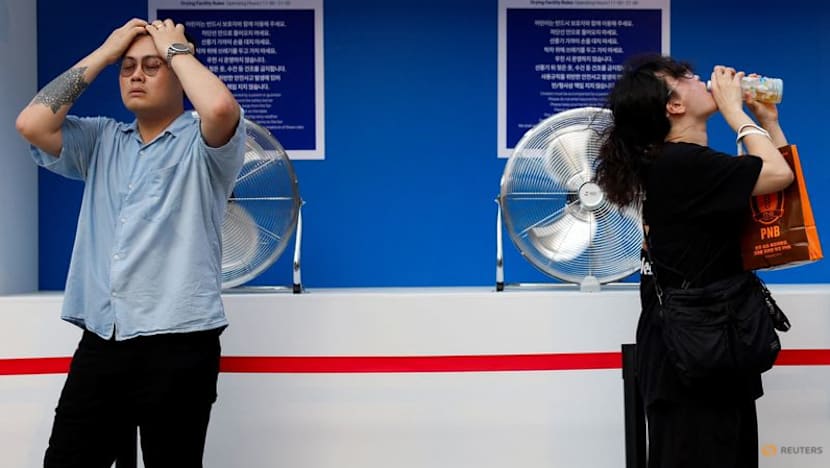
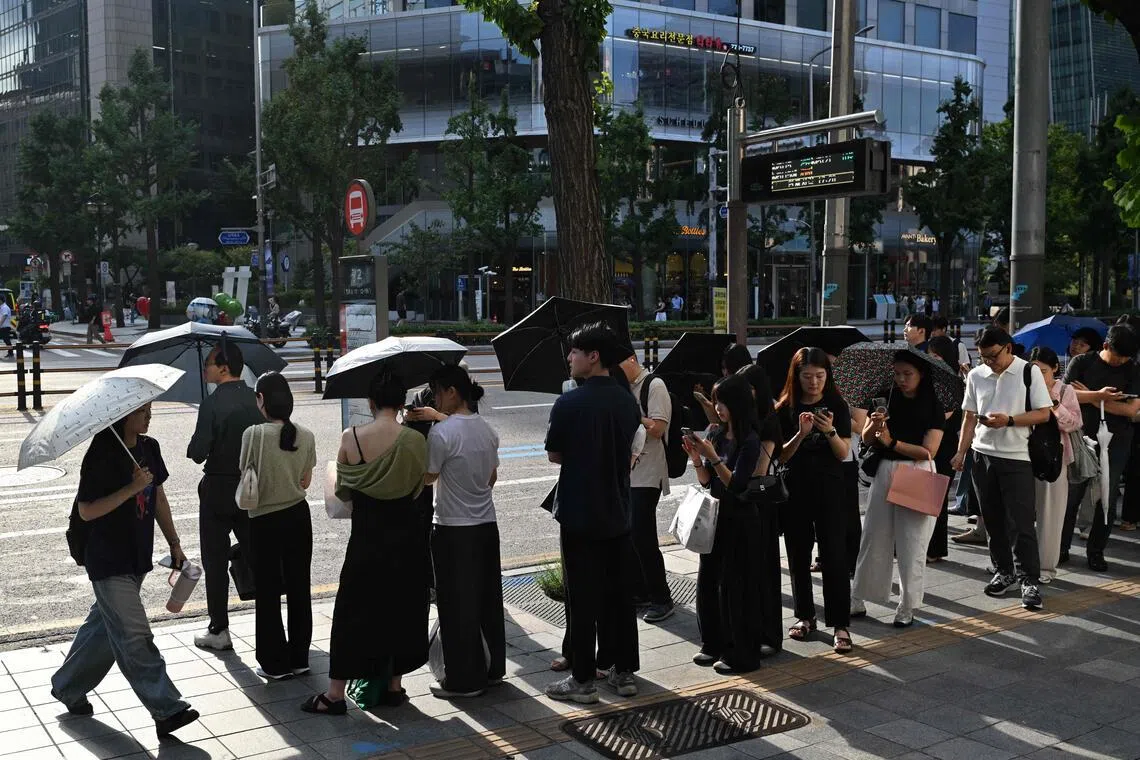
Why it matters: The geographic expansion of severe heatwave warnings from Daegu into North Gyeongsang Province shows that Korea's historically hottest urban pocket is no longer an isolated heat island — inland and eastern coastal areas are now hitting or approaching 40°C. A KMA official attributes the trend to a broader regional shift in heat patterns, with AWS stations recording 41°C in Sinnyeong and Yeongcheon.
Ask SkimNews