Yangsan Hits 42.5°C as Heatwave Sweeps Korean Peninsula — SkimNews

Get the Energy newsletter
Daily energy & climate — solar, EVs, oil, the policy fights and tech bets shaping the transition. Free.
- Yangsan recorded 42.5°C on Aug 2, the highest temperature in 122 years of Korean weather observations according to the Korea Meteorological Administration, having already broken the national record on the two preceding days.
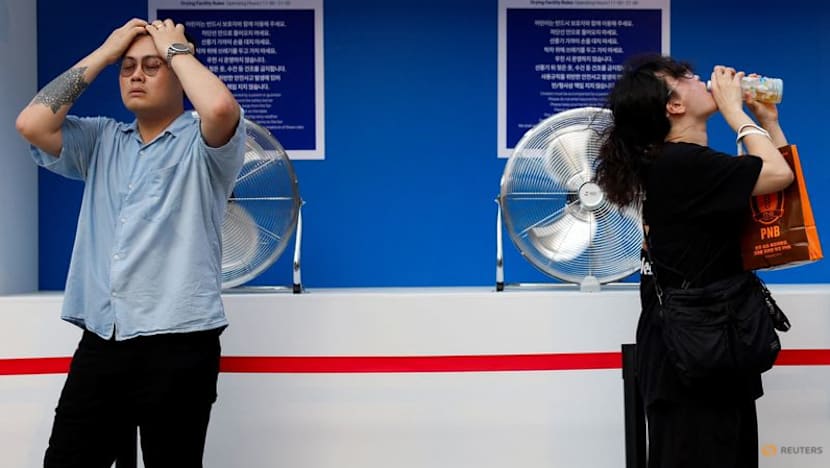
- The Korea Disease Control and Prevention Agency reported 14 deaths and 1,889 heat-related illnesses across South Korea since mid-May as of Aug 2.
- South Korea's government raised its heatwave response alert to the second-highest level, with Prime Minister Han Seong-sook ordering ministries and local governments to mobilize all available resources for heatwave and drought relief.
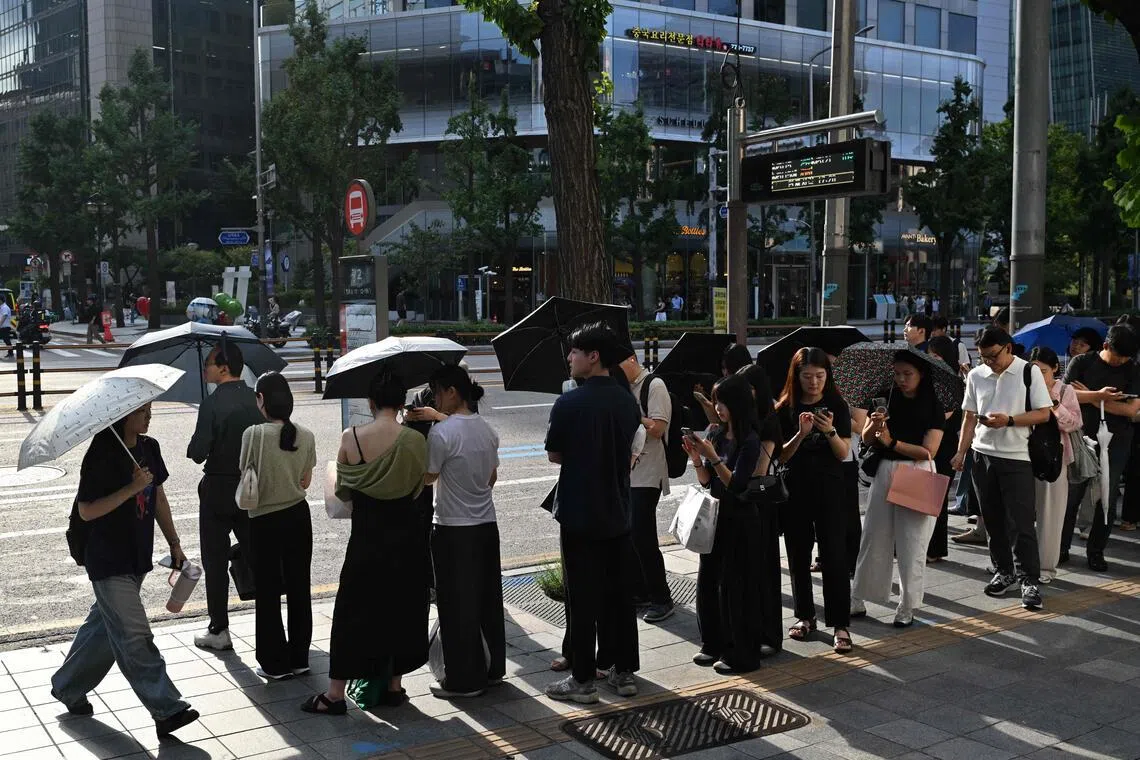
- The KMA issued its first-ever severe heatwave warning for parts of Seoul and neighboring Gyeonggi Province on Aug 3, while the highest-level alerts remained in effect across southern regions including Busan, Ulsan, South Gyeongsang, parts of Gwangju and South Jeolla Province.
- North Korean state media reported temperatures approaching 40°C and a fifth straight tropical night in Pyongyang, with tens of thousands of people visiting the Wonsan Kalma Coastal Tourist Zone during July and water parks in Pyongyang packed.
- The Korea Baseball Organization cancelled games in Busan and Changwon over the weekend, warning further schedule adjustments could be considered if dangerous conditions persist.
- Power authorities activated emergency measures and are closely monitoring supply and demand as electricity consumption is expected to reach a record high in late August amid surging air-conditioning use.
Why it matters: With Yangsan setting a 122-year temperature record and 14 confirmed heat deaths plus 1,889 illnesses already tallied since mid-May, the crisis is now straining South Korea's power grid as authorities brace for record electricity demand in late August — while North Korea faces comparable conditions with far fewer public resources and emergency infrastructure to mount a comparable response.
Ask SkimNews