Montana farmers caught in U.S.-Canada tariff war — SkimNews
Get the Geopolitics newsletter
Daily geopolitics — wars, elections, sanctions, the diplomatic moves that move markets. Free.
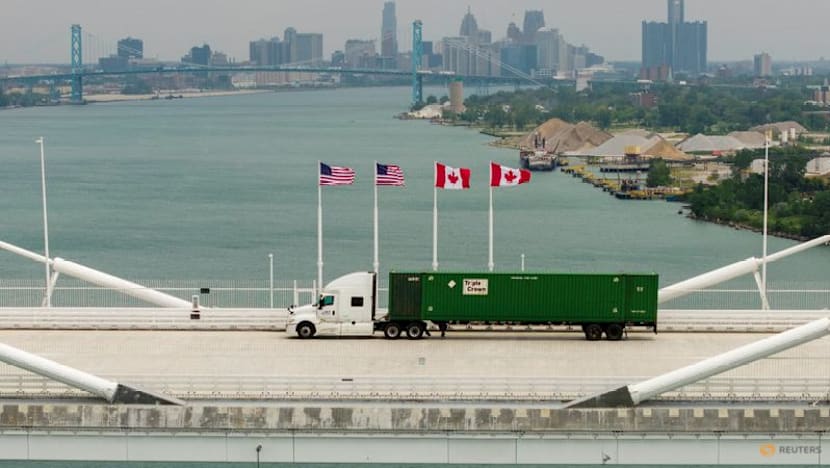
- Ottawa imposed retaliatory tariffs on $20 billion worth of U.S. goods, including farm equipment, after President Trump imposed tariffs on Canadian products earlier this month.
- Canada is Montana's biggest trading partner, accounting for $1 billion in cross-border sales, according to the Montana World Trade Center at the University of Montana.
- Most farm equipment imported from Canada is now subject to a 15% or higher retaliatory tariff, hitting Montana farmers who had relied on favorable exchange rates for select supplies.
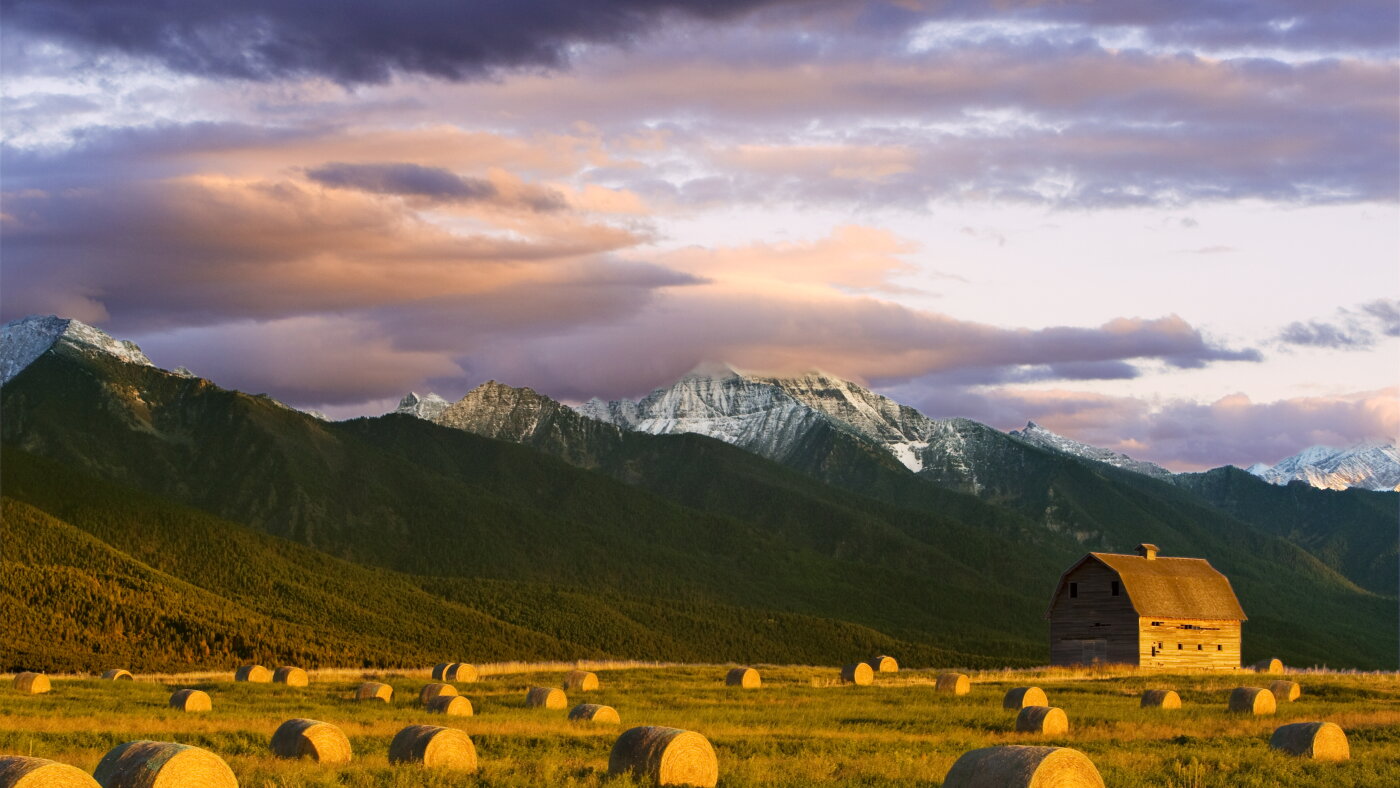
- Wheat farmer Steve Sheffels, who farms in Montana's Golden Triangle and serves as president of the Montana Grain Growers Association, says he wants to buy a new drill and Canadian grain bins but fears he can't afford them — and notes his wife is Canadian: "You don't treat your neighbors like this."
- Fourth-generation farmer Lee Dahlman near Dutton, Mont., says "the uncertainty is what bothers me," even as he adapts by investing in soil-based probiotics and rotating in chickpeas and lentils to cut fertilizer costs.
- Montana Department of Agriculture director Jillien Streit is pushing producers to shift away from monocrops and explore regional food markets closer to home, calling it "sad that food has to be a bargaining chip."
- Montana grain farmers have endured generally flat commodity prices since the 1970s and rising interest rates, and now face their second trade war spanning two Trump administrations that threatens longtime cross-border business deals.
Why it matters: Montana farmers who backed Trump three times now face a 15% retaliatory tariff on most Canadian farm equipment from their largest trading partner, which accounts for $1 billion in cross-border sales. Layered onto flat commodity prices since the 1970s and a second Trump-era trade war, farmers like Lee Dahlman are turning to soil probiotics and chickpea rotation to insulate themselves from policy volatility.
Ask SkimNews