Ex-Energy Dept official: Don't kill small-scale solar — SkimNews
Get the Energy newsletter
Daily energy & climate — solar, EVs, oil, the policy fights and tech bets shaping the transition. Free.
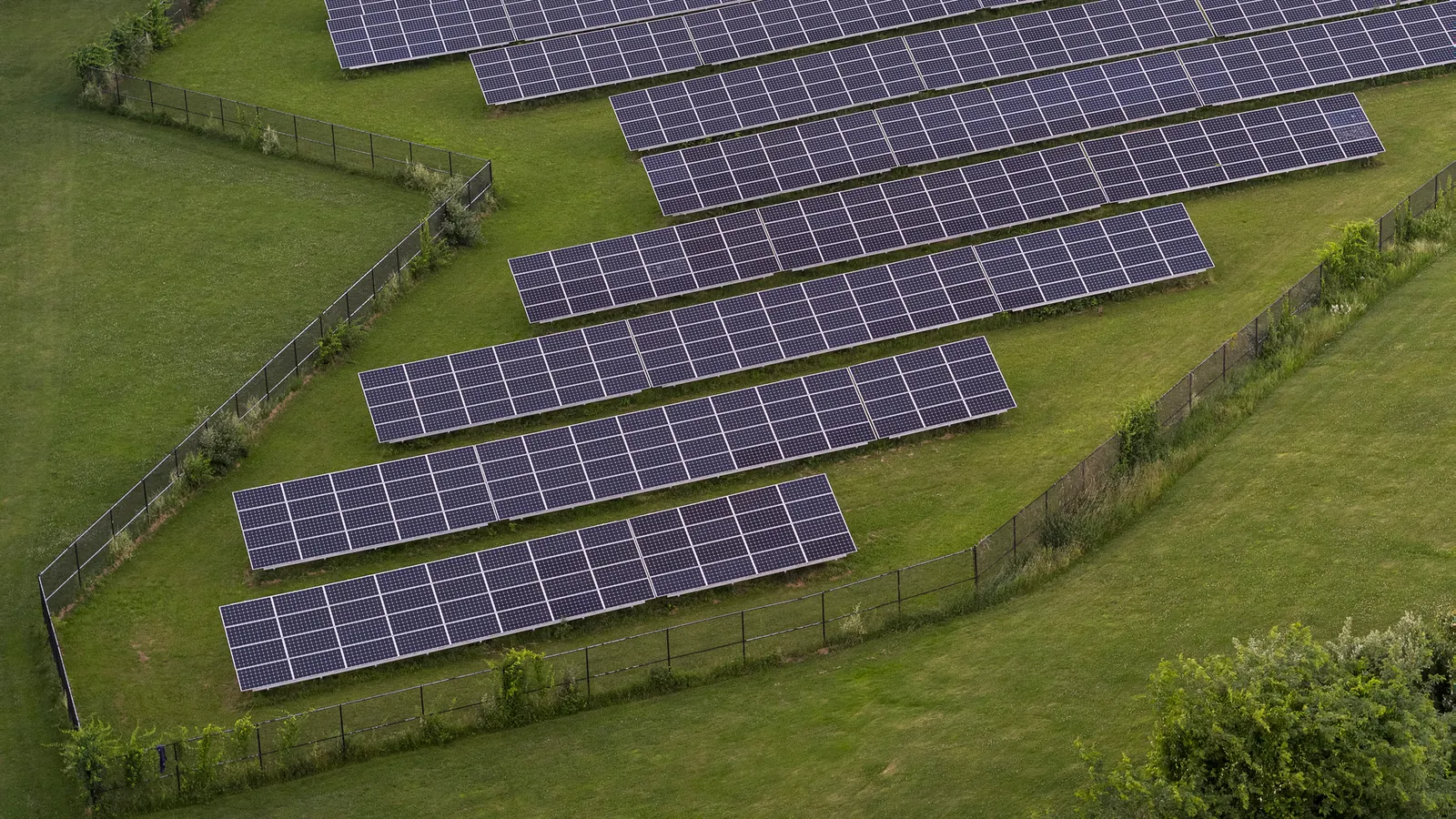
- Small-scale solar accounts for at least 20% of all solar installed in the United States, yet the Trump administration and congressional Republicans have worked to undercut these projects through the One Big Beautiful Bill and EPA program terminations.
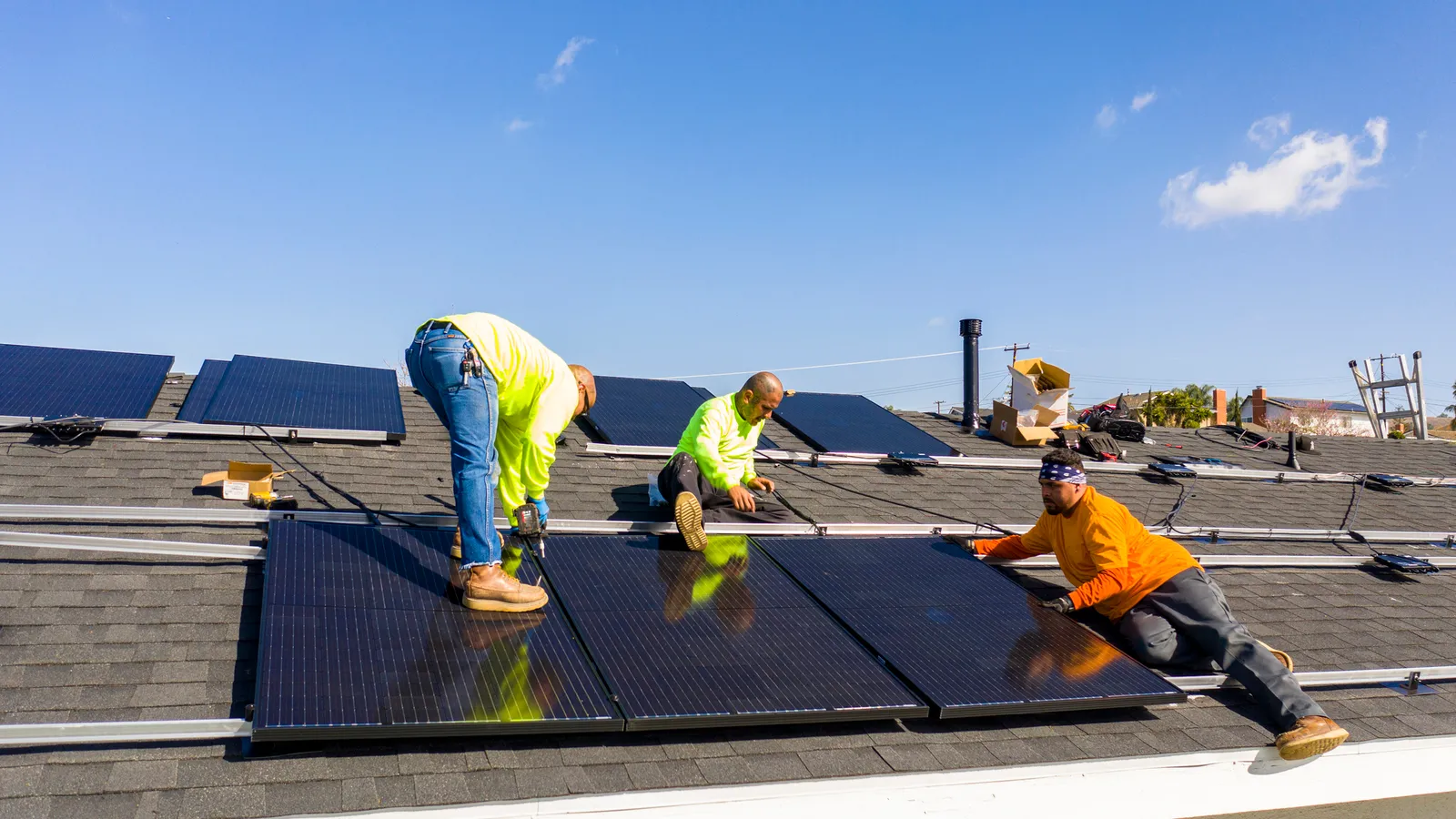
- The One Big Beautiful Bill ended the longstanding residential solar tax credit and created new barriers for existing solar and storage credits, according to Edward Yim, former director of clean energy implementation at the U.S. Department of Energy.
- The EPA terminated the Solar for All program, which would have cut electricity bills by more than 20% for a million Americans, though a federal judge vacated that decision this month.
- The Inflation Reduction Act's elective pay mechanism has allowed tax-exempt entities like houses of worship, community clinics, and local governments to benefit from clean energy tax credits for the first time, leveling a playing field previously tilted toward private developers.
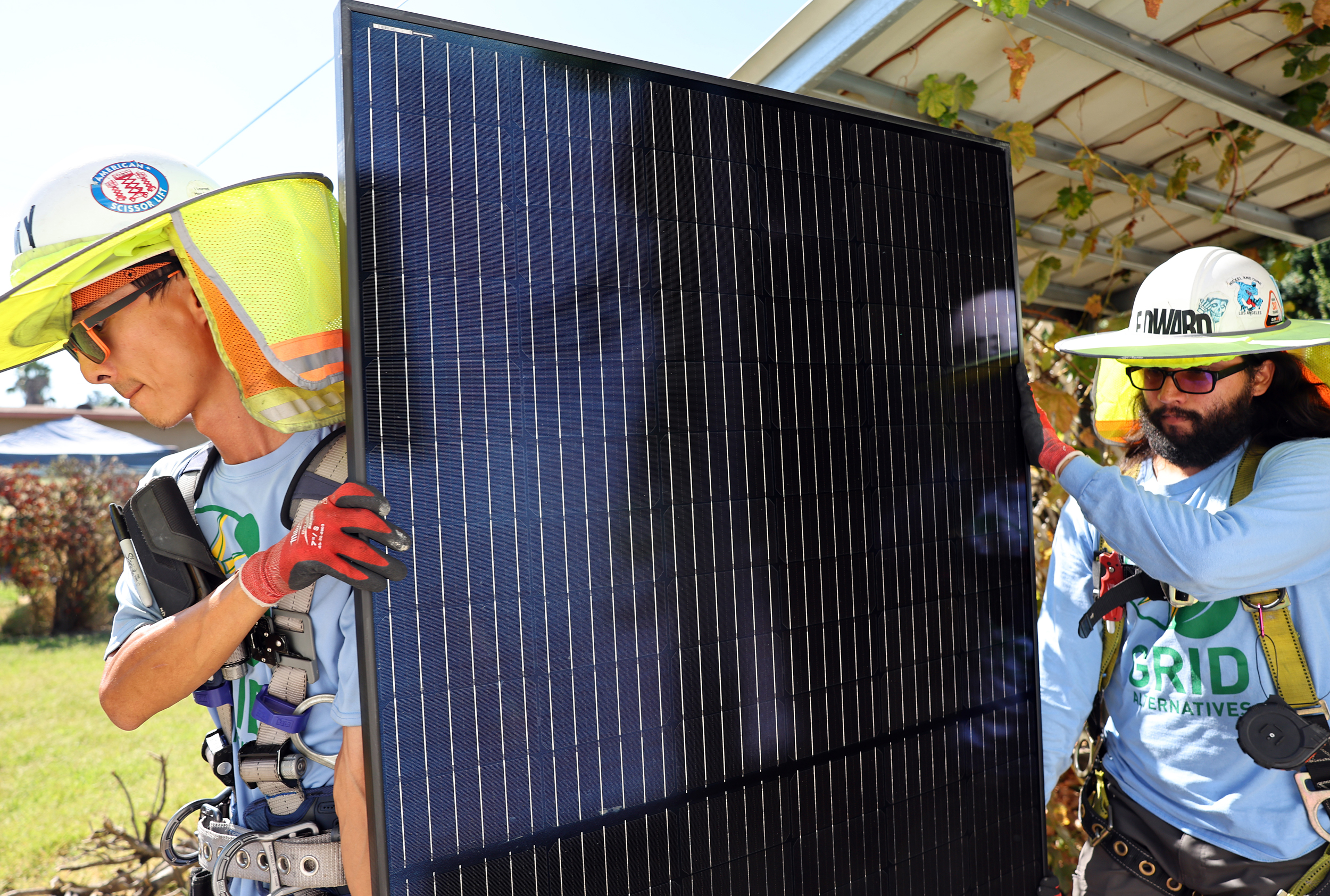
- A San Fernando, California clinic used Biden-era IRA tax credits to install solar panels and battery backup that now provide 60% of the facility's energy, and hundreds of similar clinics nationwide are pursuing comparable projects.
- Solar power prices have dropped over 80% in the past 20 years, meaning utility-scale projects can often generate profit without federal support, but the calculus differs sharply for community installations at schools, health clinics, and local government buildings where profit is not the goal.
- Yim recommends Congress preserve elective pay and reverse early phaseouts for community-scale solar and storage projects, arguing these efforts reduce dependence on coal and gas, provide backup power during outages, and expand local support for clean energy.
Why it matters: Community health clinics, houses of worship, and local governments that rely on the elective pay mechanism to afford solar and battery storage now face a policy reversal that could raise their operating costs and slow backup-power adoption — with roughly a million low-income Americans who would have benefited from the terminated Solar for All program directly affected, per Yim's accounting.
Ask SkimNews