OBBB Ended the Residential Solar Tax Credit — SkimNews
Get the Energy newsletter
Daily energy & climate — solar, EVs, oil, the policy fights and tech bets shaping the transition. Free.
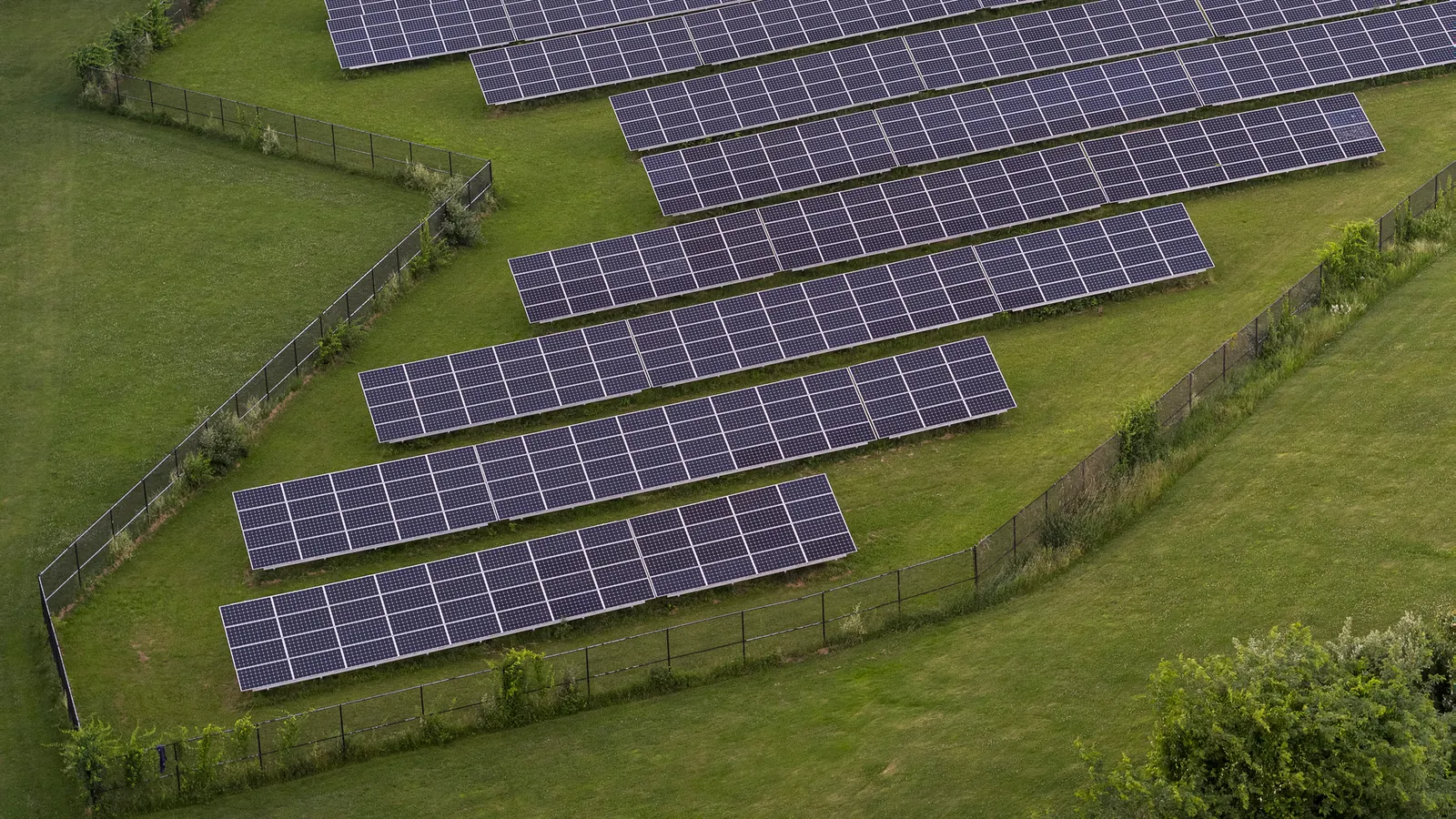
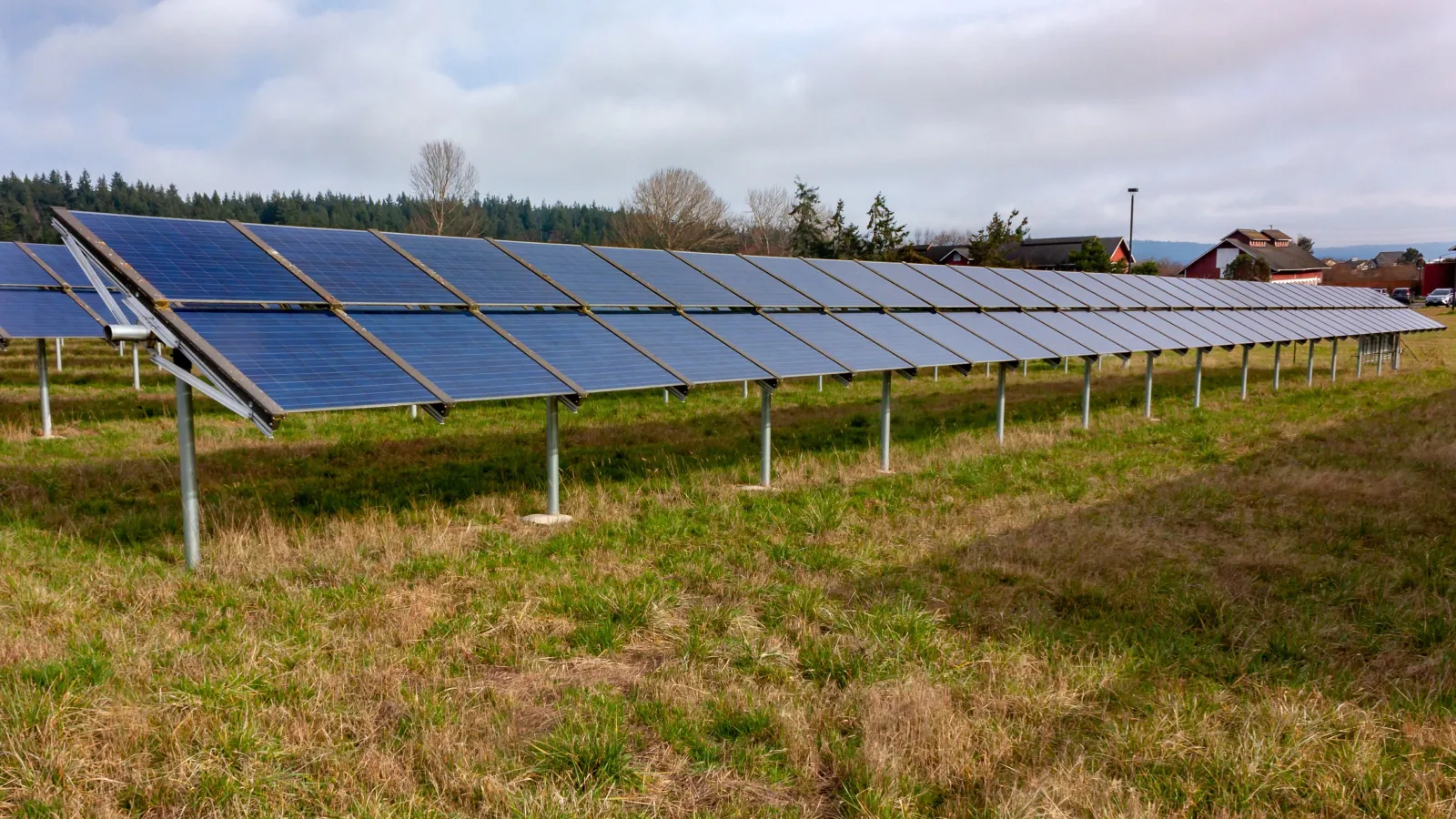
- Small-scale solar projects account for at least 20% of all solar installed in the United States, a share commonly overlooked by clean energy advocates, according to Yim.
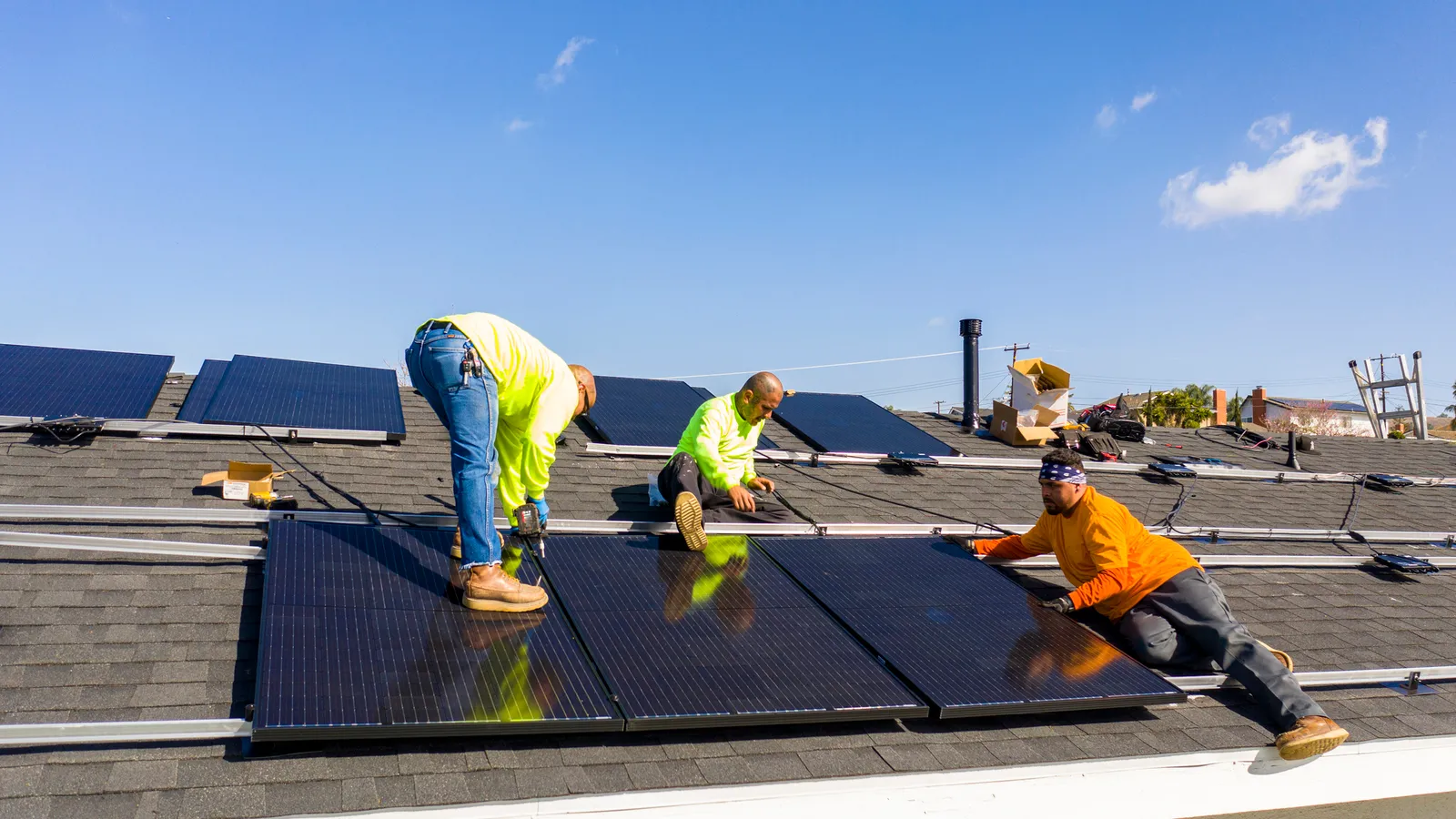
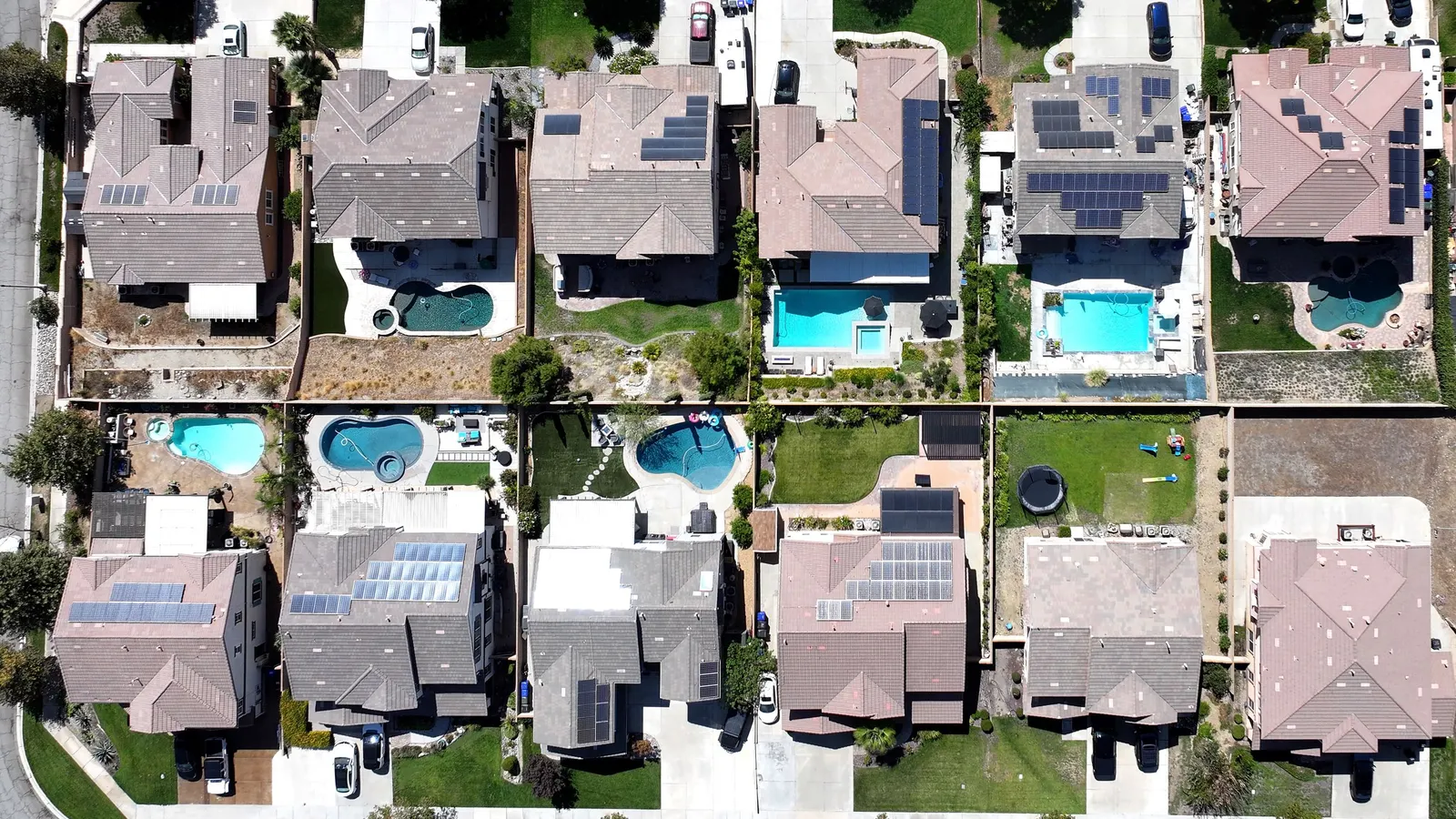
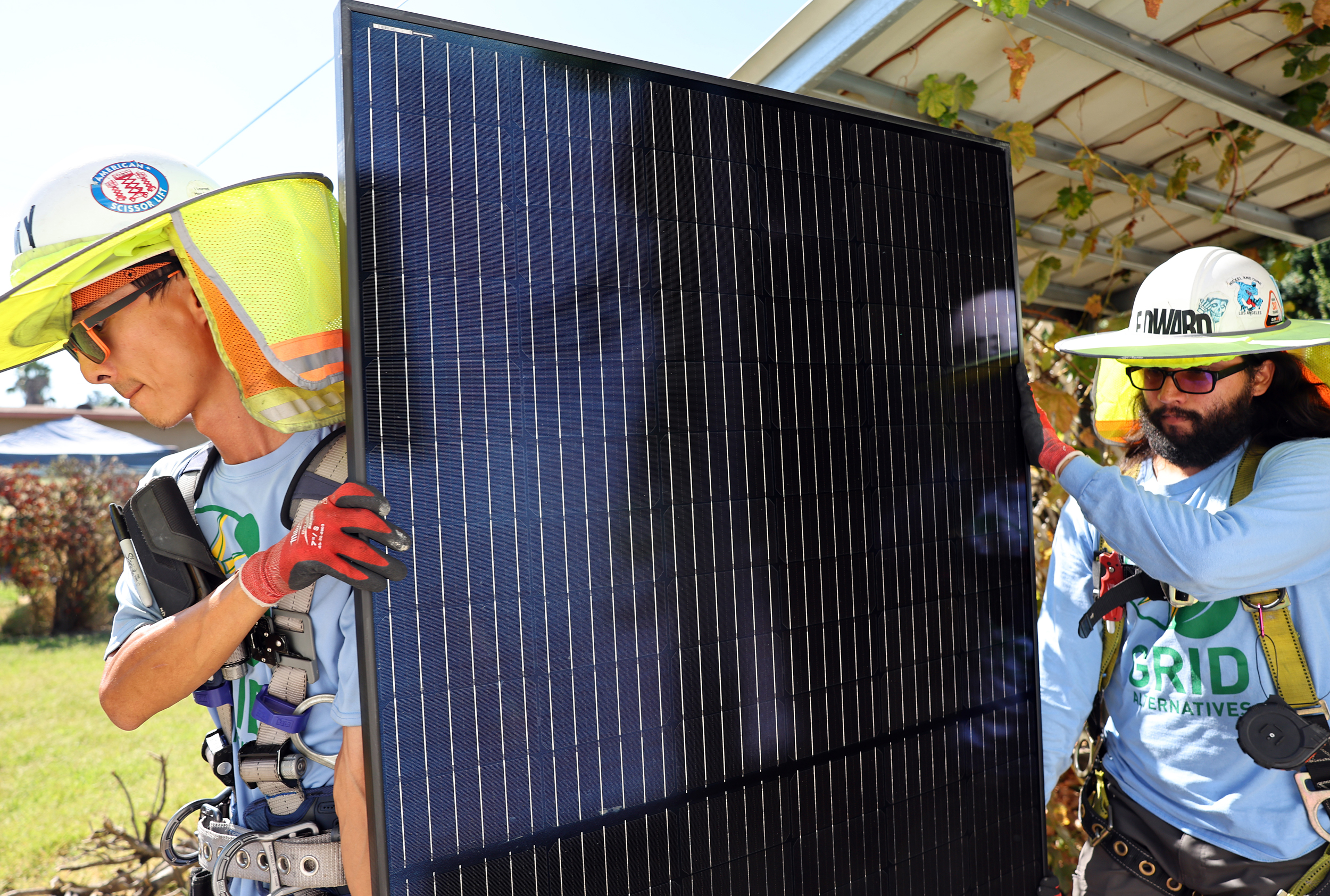
- The One Big Beautiful Bill ended the longstanding tax credit for residential solar and created new barriers for existing solar and storage credits, disproportionately affecting distributed projects.
- The EPA's termination of the Solar for All program—which would have cut electricity bills by more than 20% for roughly a million Americans—was vacated by a federal judge earlier this month.
- The Inflation Reduction Act's elective pay mechanism allows tax-exempt entities including houses of worship, community clinics, and local governments to directly claim clean energy tax credits, leveling the playing field for nonprofits.
- A clinic in San Fernando, California used Biden-era IRA tax credits to install solar panels and battery backup, supplying 60% of the facility's energy and demonstrating the model at a single-site scale.
- Yim recommends Congress preserve elective pay, undo early phaseouts for community-scale solar and storage, and restore incentives for locally driven projects while letting mature utility-scale technologies stand on their own.
Why it matters: The One Big Beautiful Bill stripped residential solar tax credits while utility-scale solar—now 80% cheaper than 20 years ago—increasingly doesn't need federal support. Tax-exempt clinics, churches, and local governments that depend on elective pay to install distributed solar now face higher barriers, eroding community-level backup power and protection from fossil fuel price volatility at a time of soaring demand.
Ask SkimNews