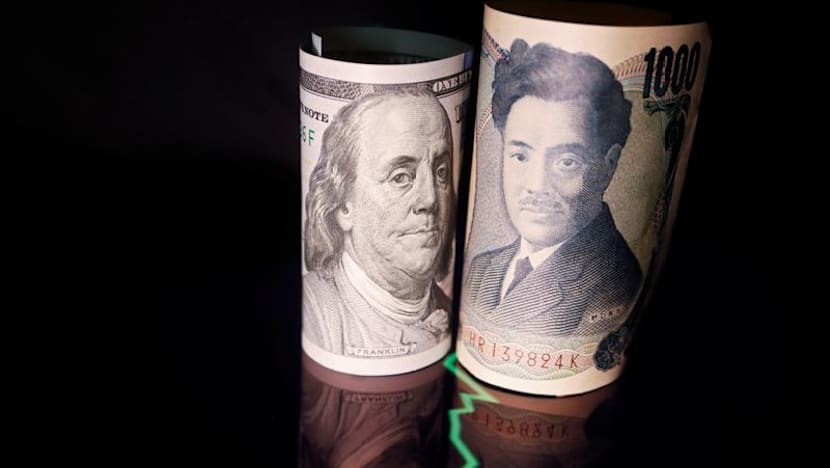
U.S. shields Treasuries in yen intervention — SkimNews

Get the Finance newsletter
Daily finance — markets, central banks, M&A, the prints that move money. Free.
- U.S. Treasury joined Japan's yen defense for the first time in over a decade, with Secretary Scott Bessent writing on X that 'Friday's coordinated foreign exchange actions countered disorderly yen movements' and warning 'we will not hesitate to participate in further joint intervention.'
- Bessent was photographed at Camp David with a notepad reading 'Buy Japanese Yen (JPY) $5-10 bil,' while the New York Fed reportedly sold euros to buy yen and the FIMA Repo Facility let Japan borrow dollars against Treasuries rather than sell them outright.
- 30-year Treasury yields touched new post-2007 highs at around 5.23% on Monday, reflecting global investor demand for higher returns as U.S. fiscal deficits and AI infrastructure spending compete for capital.
- deVere Group CEO Nigel Green told clients the move is being misread: 'When two of the world's largest economies step into the market together for the first time in over a decade, they're telling investors something about stress building beneath the surface of the global financial system.'
- Bank of Japan rate hikes to fight yen weakness risk accelerating the unwind of the global yen carry trade, in which hedge funds borrow cheaply in yen to buy higher-yielding assets elsewhere.
- A Treasury official told Axios the action was a response to the 'speed and disorderliness' of the yen sell-off, designed to keep that instability from spreading into broader markets.
Why it matters: The Treasury engineered the yen intervention specifically to prevent Japan from selling U.S. debt — a quiet acknowledgment that the long bond market is too thin to absorb forced sellers. At 30-year yields of 5.23%, with deficits and AI capex absorbing capital, the U.S. just shielded one of its largest remaining buyers of Treasuries from the consequences of defending its own currency.
Ask SkimNews