Cook survives 5-4; June jobs miss; Dow tops 52K — SkimNews

Get the Finance newsletter
Daily finance — markets, central banks, M&A, the prints that move money. Free.
- Supreme Court blocked Trump's firing of Fed Governor Lisa Cook 5-4 on June 29, preserving Fed independence by a single vote after the first such presidential removal attempt in the Fed's 112-year history.link ›
- U.S. employers added just 57,000 nonfarm jobs in June, less than half the 115,000 Dow Jones consensus, with May and April revised down by a combined 74,000.link ›
- Unemployment fell to 4.2% only because 507,000 Americans (and as many as 720,000 per a separate count) left the labor force, pushing participation to 61.5% — its lowest since March 2021.link ›
- Fed Chair Kevin Warsh charmed ECB President Christine Lagarde at Sintra in Portugal, swapping French greetings and calling himself 'honoured to be on stage with three colleagues' alongside Bailey and Macklem.link ›
- S&P 500 capped its best quarter since 2020, Dow topped 52,000 for the first time, and the Philadelphia Semiconductor Index posted its best quarter on record as the Nasdaq rallied 1.5% on a chip-stock surge.link ›
- Gold is on track for its worst quarter in 13 years as a strong dollar and hawkish Fed expectations crushed the metal's safe-haven appeal even amid US-Iran talks.link ›
- Systematic quant funds shed 3.1% over five sessions through June 29 — their worst streak since December 2023 — per Goldman Sachs, with momentum stocks posting their fourth-worst session in 22 years.link ›
The S&P 500 capped its best quarter since 2020 on the same day the Supreme Court blocked Trump's unprecedented bid to fire Fed Governor Lisa Cook — a 5-4 ruling that preserved Federal Reserve independence by a single vote. The Dow topped 52,000 for the first time as the Nasdaq rallied 1.5% on chip stocks, but the celebratory tape collided Thursday with a 57,000 June jobs print that missed the 115,000 consensus by half. Unemployment dropped to 4.2% only because 507,000 Americans exited the labor force, pushing participation to 61.5% — its lowest since March 2021. Warsh now owns the September rate call with Fed independence secured and a half-missing jobs print in hand; markets are pricing 60% odds of a hike.
The stories behind this week
U.S. economy added 57,000 jobs in June, less than expected; unemployment rate at 4.2%The headline unemployment drop masks a deteriorating reality: 507,000 fewer Americans reported working and labor force participation hit its lowest point since March 2021, meaning people exited the workforce rather than finding jobs — a dynamic that complicates Fed Chair Kevin Warsh's 'steady' labor market narrative and makes the September rate-hike pricing more fragile.

Warsh charms global central bankers at ECB Sintra forumThe Federal Reserve remains the ultimate provider of dollar liquidity in times of financial stress and the dominant voice in global monetary debates, meaning the relationships Warsh builds now with Lagarde, Bailey, and Macklem directly shape how smoothly central banks can coordinate when the next crisis hits. Several attendees had real concerns that a politically aligned Fed would pull back from those forums.

Gold Heads for Worst Quarter in 13 Years on Fed Rate BetsBullion is losing ground to rate-sensitive assets as a strong dollar and hawkish Fed expectations dominate the macro picture; for gold and silver holders, the 13-year quarterly low underscores how aggressive monetary policy is overriding the metal's traditional safe-haven appeal at the very moment geopolitical events (US-Iran talks) might otherwise support it.
S&P 500 Caps Best Quarter Since 2020; Dow Hits RecordA simultaneous surge in US equities, chip stocks, and the dollar — paired with the Supreme Court shielding Fed independence and oil falling on a Hormuz recovery — sets up a high-stakes H2 2026: Thursday's June jobs report is now the trigger, and if it confirms labor-market strength, HSBC's 'explosive' dollar warning could force the Fed toward tightening, squeezing yen carry trades and Japan into intervention.

U.S. job growth slows in June, easing expectations of Fed rate hike; unemployment rate falls to 4.2%The unemployment rate fell to 4.2%, but only because 720,000 people left the labor force—pushing participation to its lowest since March 2021. As Rupkey put it, Fed policymakers "plainly won't like" a report where the headline improvement masks shrinking labor supply and weaker-than-expected hiring across sectors.

Supreme Court Blocks Trump Firing of Fed's Cook 5-4The 5-4 ruling preserves Federal Reserve independence by rejecting Trump's unprecedented attempt to remove a sitting governor, but the single-vote margin leaves the constitutional question of presidential removal authority over the Fed unsettled. Cook remains at the central bank during ongoing litigation, meaning the final resolution — and any limits on presidential power over monetary policy governance — is still ahead.

US-Iran Truce Lifts Stock Futures, Cools OilA reported halt to US-Iran attacks triggered a simultaneous rally in equity futures and a pullback in oil, a pattern that ties equity direction directly to geopolitical developments. With oil staying on edge per CNBC, traders face a binary setup: the truce holds and risk assets hold gains, or it frays and crude's spike drags equities back down.
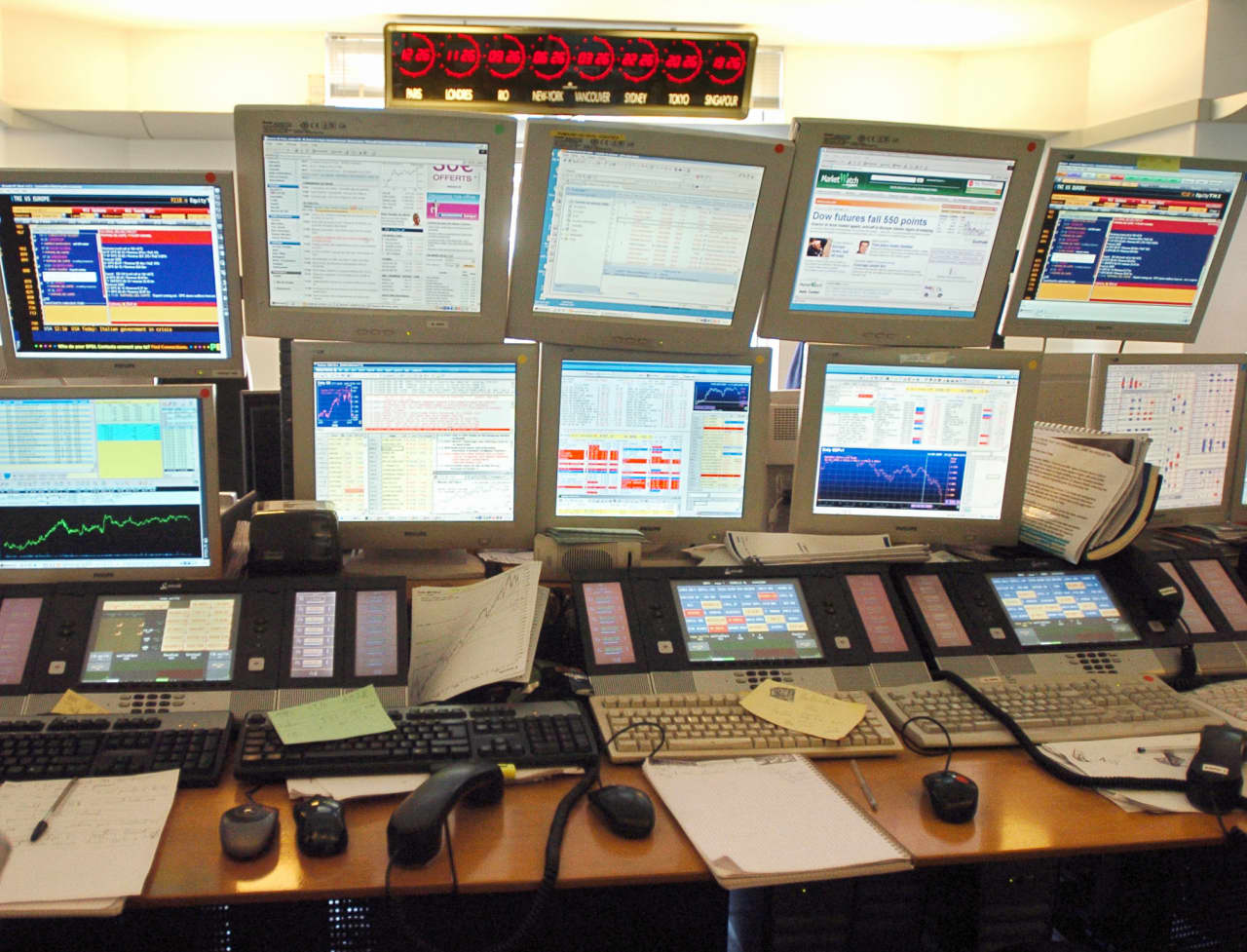
Quant Funds Shed 3.1% in Five Sessions as Momentum CrashesQuant funds gave back the bulk of their 11.3% 2026 gains in just five sessions, and since systematic strategies account for a large share of daily equity trading volume, simultaneous forced unwinds can amplify market dislocations well beyond what fundamentals justify — meaning the next few sessions hinge on whether positioning resets or cascading selling continues.
Why it matters: The 5-4 Cook ruling locked in Fed independence for now, but the single-vote margin means every September rate decision Warsh makes will also carry a constitutional subtext that markets will price in.
Ask SkimNews


