2026 Nobel Medicine Prize Awarded for Optogenetics — SkimNews

Get the Health newsletter
Daily health & science — research, biotech, public health, the studies worth knowing. Free.
- Karl Deisseroth, Peter Hegemann, and Georg Nagel were jointly awarded the 2026 Nobel Prize in Physiology or Medicine by the Karolinska Institutet "for their discoveries concerning light-gated ion channels and optogenetics"
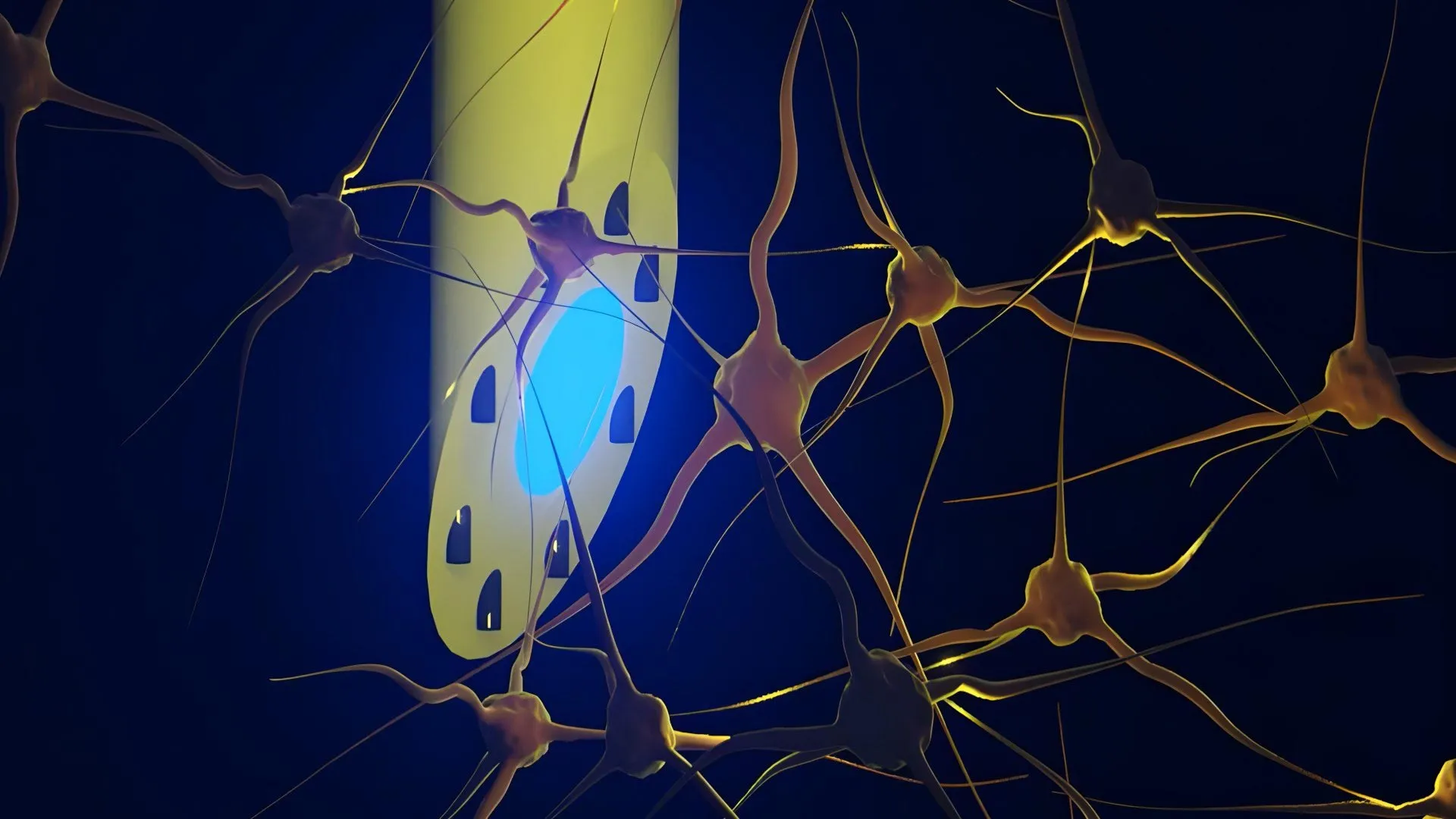
- Optogenetics uses light combined with genetic modification to switch on or off individual cells in a living brain, enabling scientists to map how nerve cells shape memories, feelings, and behavior — and is being studied as a treatment for disease
- Hegemann and Nagel began the work in the early 1990s at the Max Planck Institute, studying how the single-cell alga Chlamydomonas swims toward light, which led to their discovery of channelrhodopsin, a light-sensitive ion channel that opened rapidly upon illumination
- Deisseroth then introduced the channelrhodopsin gene into rat nerve cells, demonstrating that blue light could trigger a nerve signal in a living brain — the breakthrough that turned a curiosity about algae into a neuroscience tool
- Deisseroth told STAT that the method is the "complete opposite" of how light is normally used in science: "we're using light to cause things to happen … not to collect information," with millisecond precision and cellular resolution
- Nobel Committee Secretary Thomas Perlmann said all three laureates called each other "my friends" when informed of the shared award, with Deisseroth noting he has collaborated with the other two for years, shared beers at conferences, and "couldn't be happier" to share the prize
- The three winners will share 12 million Swedish Kronor (~$1.2 million); the Nobel rules cap the award at three collaborators, and Deisseroth credited the broader network of students and colleagues who made the work possible
Why it matters: Optogenetics has become a foundational neuroscience tool, giving researchers the ability to causally control specific neurons rather than merely observe them — a shift Deisseroth himself called "the complete opposite" of traditional light-based science. The $1.2 million prize recognizes a 30-year arc from a basic question about algal movement to a method now studied as a potential treatment for brain disease, underscoring how curiosity-driven biology can reshape an entire field.
Ask SkimNews