Home BP Monitoring Cuts Post-Pregnancy Heart Risk 10% — SkimNews

Get the Health newsletter
Daily health & science — research, biotech, public health, the studies worth knowing. Free.
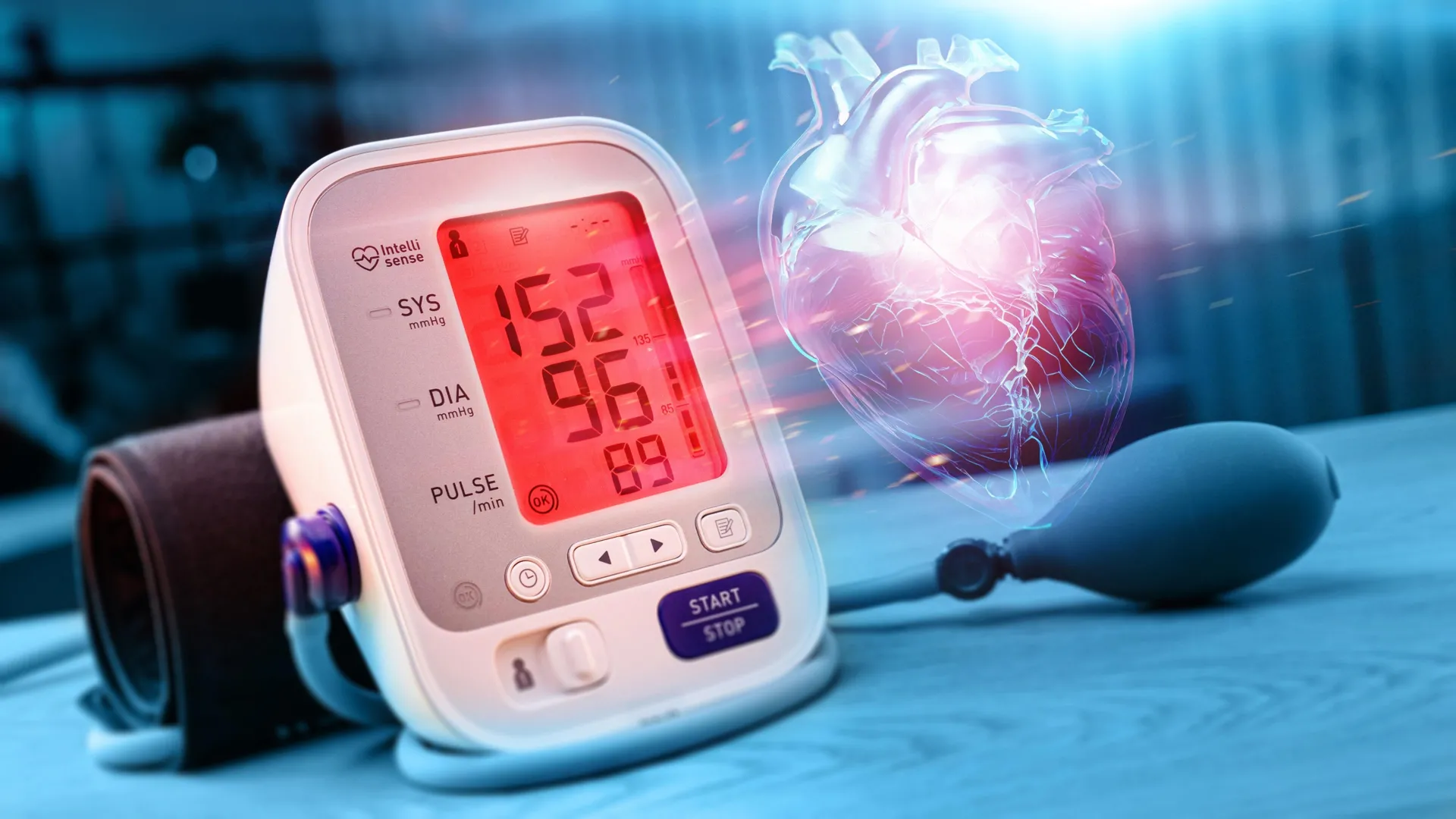
- University of Oxford researchers tracked 220 women who developed hypertension in pregnancy, splitting them into standard care (108) and daily home blood pressure monitoring with an app-linked doctor (112) over eight weeks postpartum.
- Home monitoring group achieved measurably better blood pressure control and, six to nine months later, had less stiff arteries — a finding researchers estimate could reduce future heart attack or stroke risk by 10%.
- Paul Leeson, professor of cardiovascular medicine at Oxford and study lead, called the postpartum weeks a "powerful and often overlooked opportunity" to protect women's long-term health.
- Hypertensive pregnancies affect 5-10% of pregnant women, and those affected are three times more likely to develop chronic high blood pressure and twice as likely to develop heart disease later in life.
- Harvard research cited in the coverage linked high blood pressure in pregnancy to a 42% rise in the risk of premature death.
- The findings, published in Hypertension and funded by the British Heart Foundation, could support wider rollout of home monitoring, potentially through specialist NHS clinics.
- Dr Sonya Babu-Narayan, clinical director at the British Heart Foundation, said the work aligns with the UK's renewed women's health strategy, which emphasizes heart health at key life stages from periods through menopause.
Why it matters: Roughly 1 in 10 to 1 in 20 pregnant women develop hypertensive disorders that triple their long-term risk of chronic high blood pressure, and the study identifies a low-cost, app-based intervention that doctors could adopt in the eight-week postpartum window to potentially prevent future cardiovascular events in hundreds of thousands of women.
Ask SkimNews