Placental Damage Tied to Autism-Like Traits in Male Mice — SkimNews
Get the Health newsletter
Daily health & science — research, biotech, public health, the studies worth knowing. Free.
- Cold Spring Harbor Laboratory researchers induced maternal immune activation in pregnant mice and found male fetuses developed autism-like traits when inflammation occurred at day 12.5 of gestation, with one-third showing abnormalities within 24 hours.
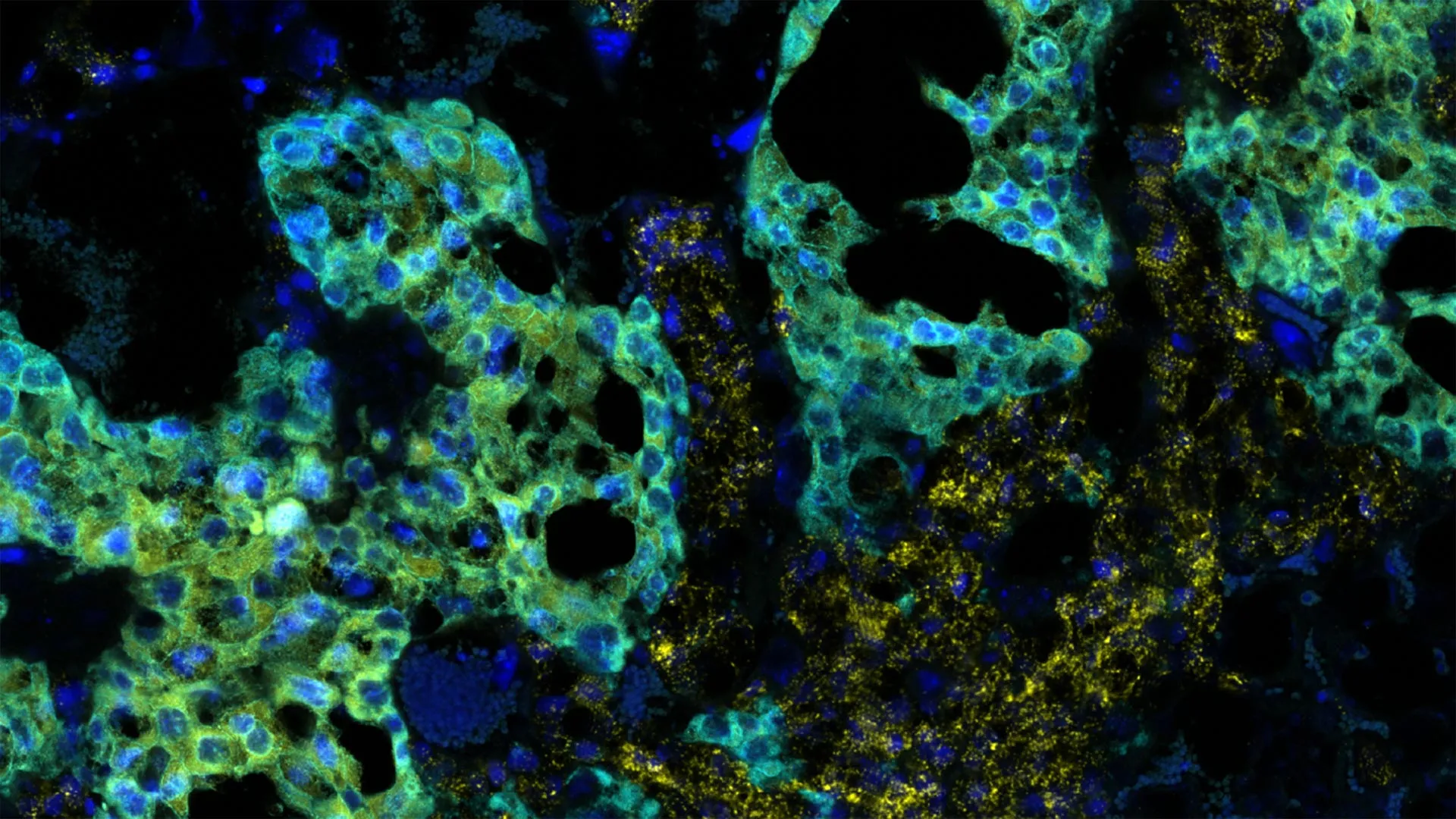
- Lucas Cheadle's team identified damage in placental spongiotrophoblasts in affected male fetuses, linking impaired maternal-fetal immune tolerance to neurodevelopmental disruption.
- Irene Sanchez-Martin observed that developmental abnormalities appeared earlier than previously documented, before hormonal or brain sexual differentiation, suggesting a prenatal sex-based vulnerability.
- Female mouse fetuses showed no autism-like traits despite identical inflammatory exposure, indicating a biological protection mechanism not yet understood.
- Spongiotrophoblasts in the placenta were found to play a critical role in shielding the fetus from maternal immune attack, and their damage correlated exclusively with male developmental impairments.
Why it matters: This study shifts focus from the brain to the placenta in understanding autism origins, revealing a concrete biological mechanism that may explain the 4:1 male-to-female diagnosis ratio. If translatable to humans, it could enable earlier risk detection and sex-specific interventions during pregnancy.
Ask SkimNews