Placental Damage Tied to Male Autism-Like Traits — SkimNews
Get the Health newsletter
Daily health & science — research, biotech, public health, the studies worth knowing. Free.
- Cold Spring Harbor Laboratory researchers Lucas Cheadle and Irene Sanchez-Martin triggered maternal immune activation in pregnant mice at different stages, using a substance that mimicked the immune reaction to a viral infection without introducing a virus; fetuses were especially vulnerable at 12.5 days into pregnancy, when about one-third developed abnormalities within 24 hours.
- Male fetuses developed autism-like traits across every experiment, while female fetuses continued developing normally; the difference appeared before hormonal surges and before sexual differentiation in the brain and other regions.
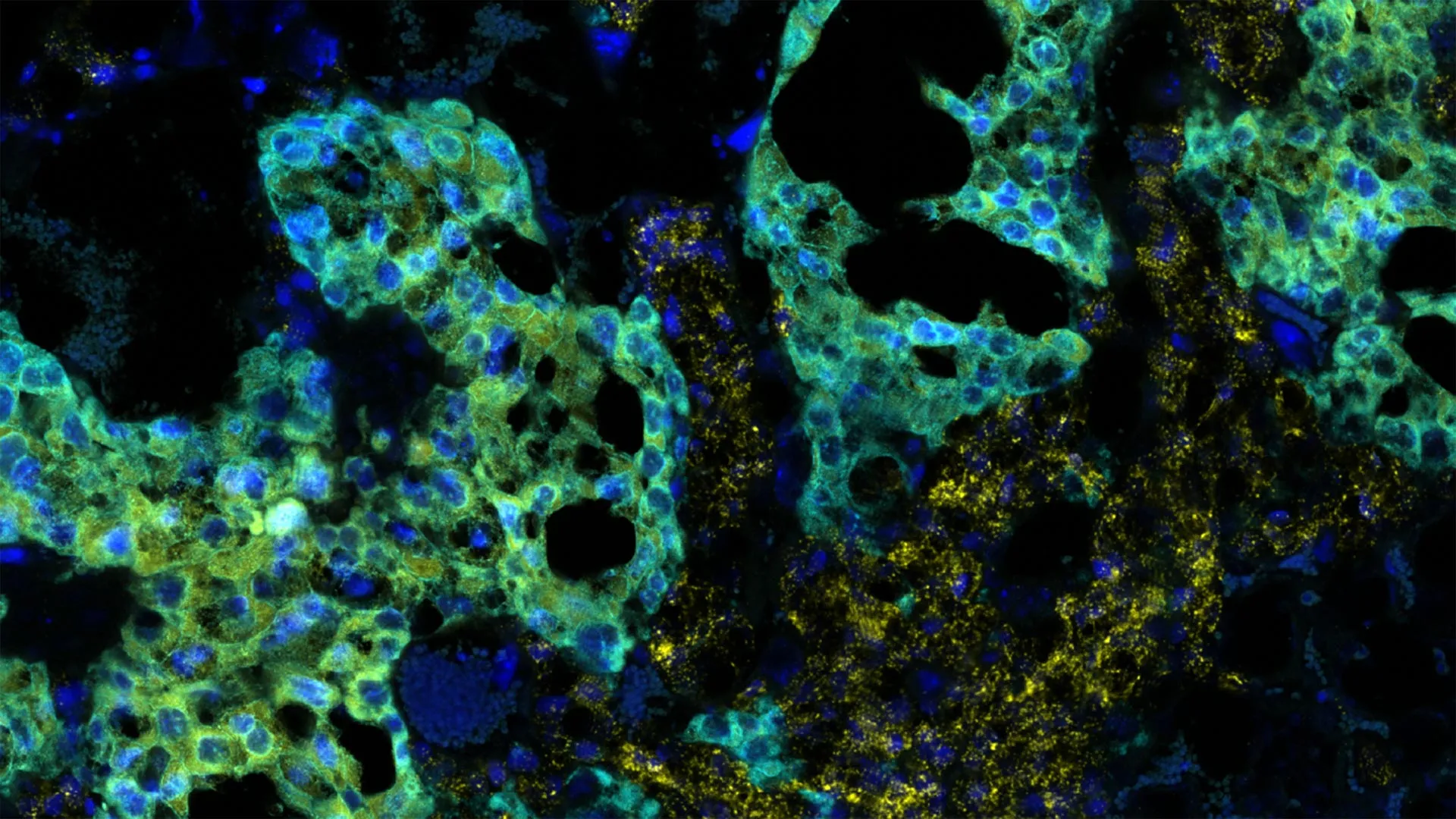
- Spongiotrophoblasts in placentas of male fetuses with developmental abnormalities showed visible damage, while the same placental region remained healthy in normally developing fetuses.
- Maternal immune activation could interfere with spongiotrophoblasts’ role in helping the mother’s immune system tolerate the fetus; damage to those cells was linked to harmful immune effects on fetal development.
- Cheadle’s team listed candidate explanations for the female advantage: male-embryo proteins that can trigger an unfavorable maternal immune response following a viral infection, and a female protective mechanism against inflammation.
- Science Advances published the mouse study in 2026, while the researchers cautioned that the findings do not establish that the same mechanisms cause autism in humans.
Why it matters: Cheadle’s team now has a precise 12.5-day experimental window and a placental site—spongiotrophoblast damage—to investigate. The team plans closer work on male and female mice to identify contrasting mechanisms and distinguish sex-specific protection from pathways producing developmental abnormalities in mice.
Ask SkimNews