Solar eclipse and the island of Ireland: The weather forecast and all you need to know — SkimNews
Get the Health newsletter
Daily health & science — research, biotech, public health, the studies worth knowing. Free.
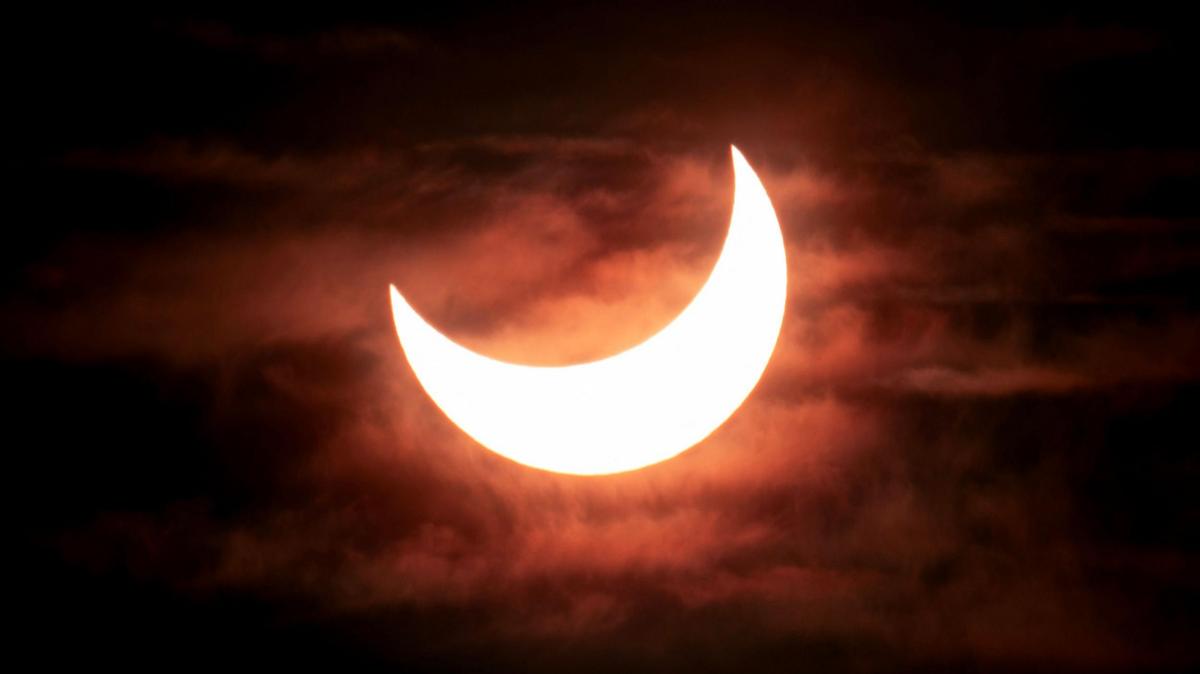
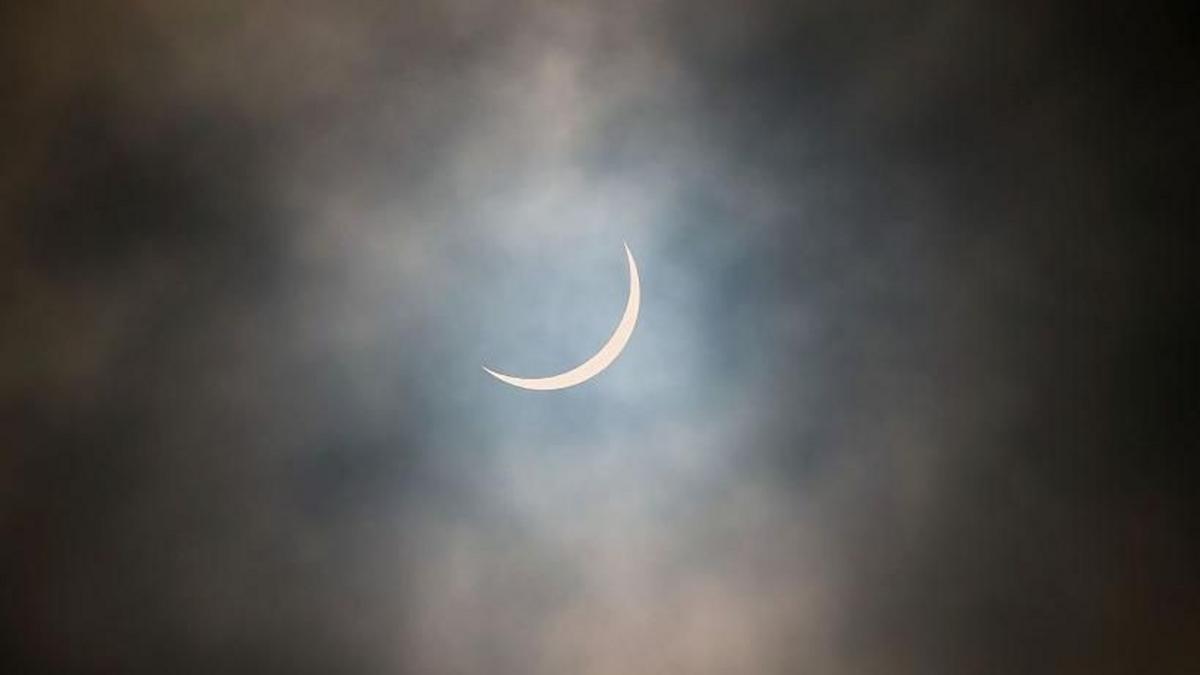
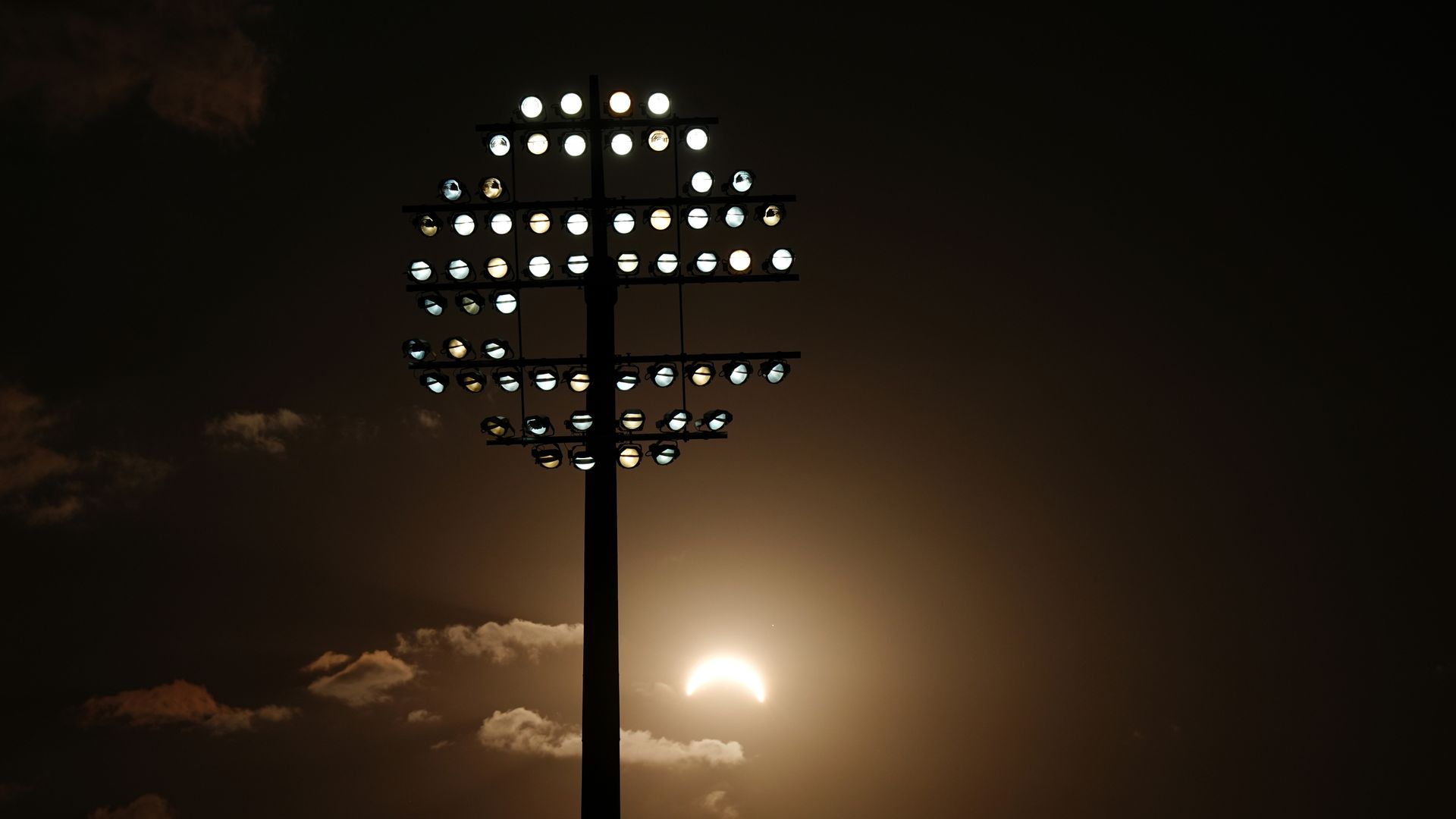
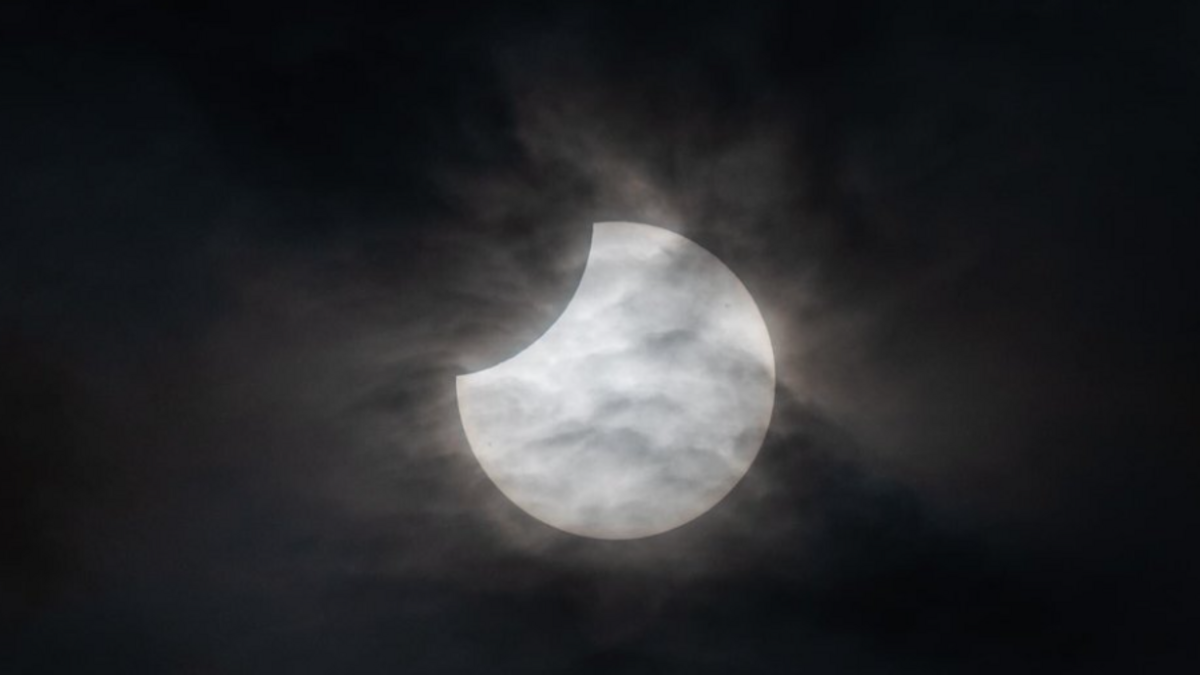
- Ireland will see a deep partial solar eclipse Wednesday evening with over 90% sun coverage, the largest such event visible from the island until September 2090.
- Skellig Michael will record the deepest coverage at 98.01%, with Cork at 96.43%, Omagh at 93.97% and Belfast at 93.05%, per location timings in the article.
- Cloud cover threatens parts of Northern Ireland, though south Antrim, Belfast, Co Down and Armagh are forecast for breaks; Dublin, Rosslare and Cork are likely clearer.
- Astronomers David Moore of Astronomy Ireland and Dr Rok Nežič of Armagh Observatory warned viewers never to look directly at the sun, noting retinas lack pain receptors to signal damage.
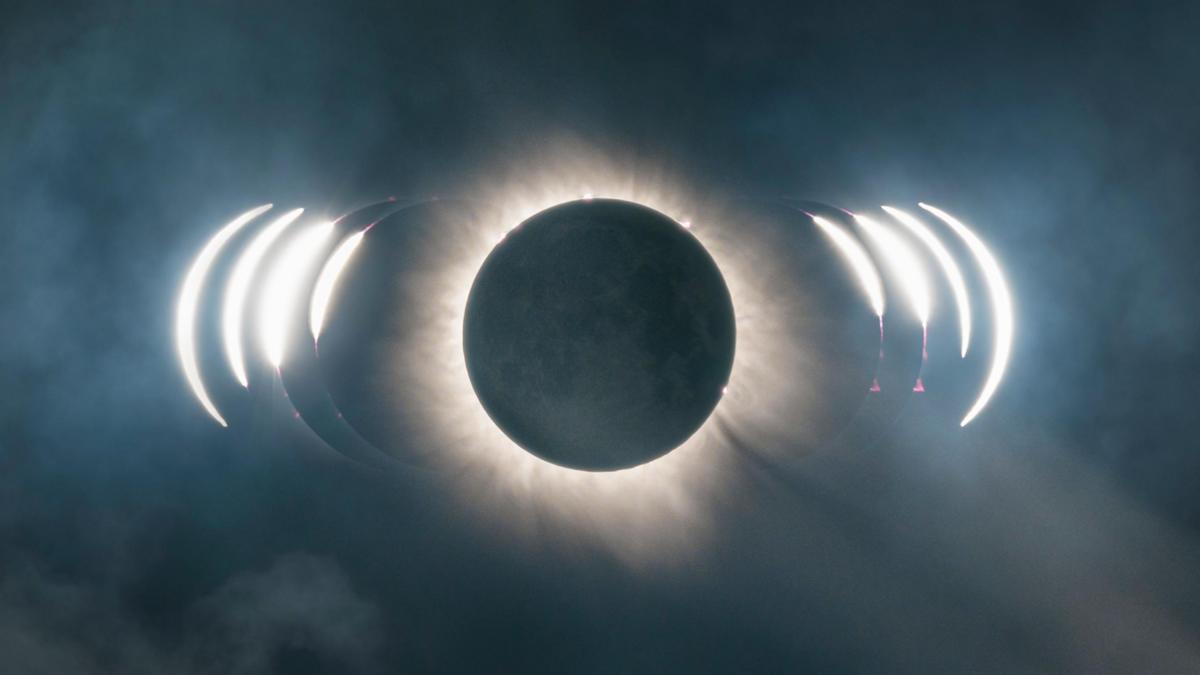
- Spain will see a total eclipse — the first from western Europe since 1999 — prompting Queen's University Belfast astrophysicist Ryan Milligan to travel to Burgos for his 13th totality, expecting 1 minute 43 seconds of darkness.
- The Perseid meteor shower peaks later that night into Thursday under a new moon, with up to 100 meteors per hour possible from a dark location away from streetlights.
Why it matters: For Irish skywatchers, Wednesday offers a once-in-a-generation event — the deepest solar eclipse visible from the island until 2090 — while the same night's new moon sets up near-ideal Perseid conditions, effectively stacking two major celestial events into one evening; cloud cover in Northern Ireland could still decide who actually sees the show.
Ask SkimNews