Has the farm bill hit a dead end? — SkimNews
Get the Geopolitics newsletter
Daily geopolitics — wars, elections, sanctions, the diplomatic moves that move markets. Free.
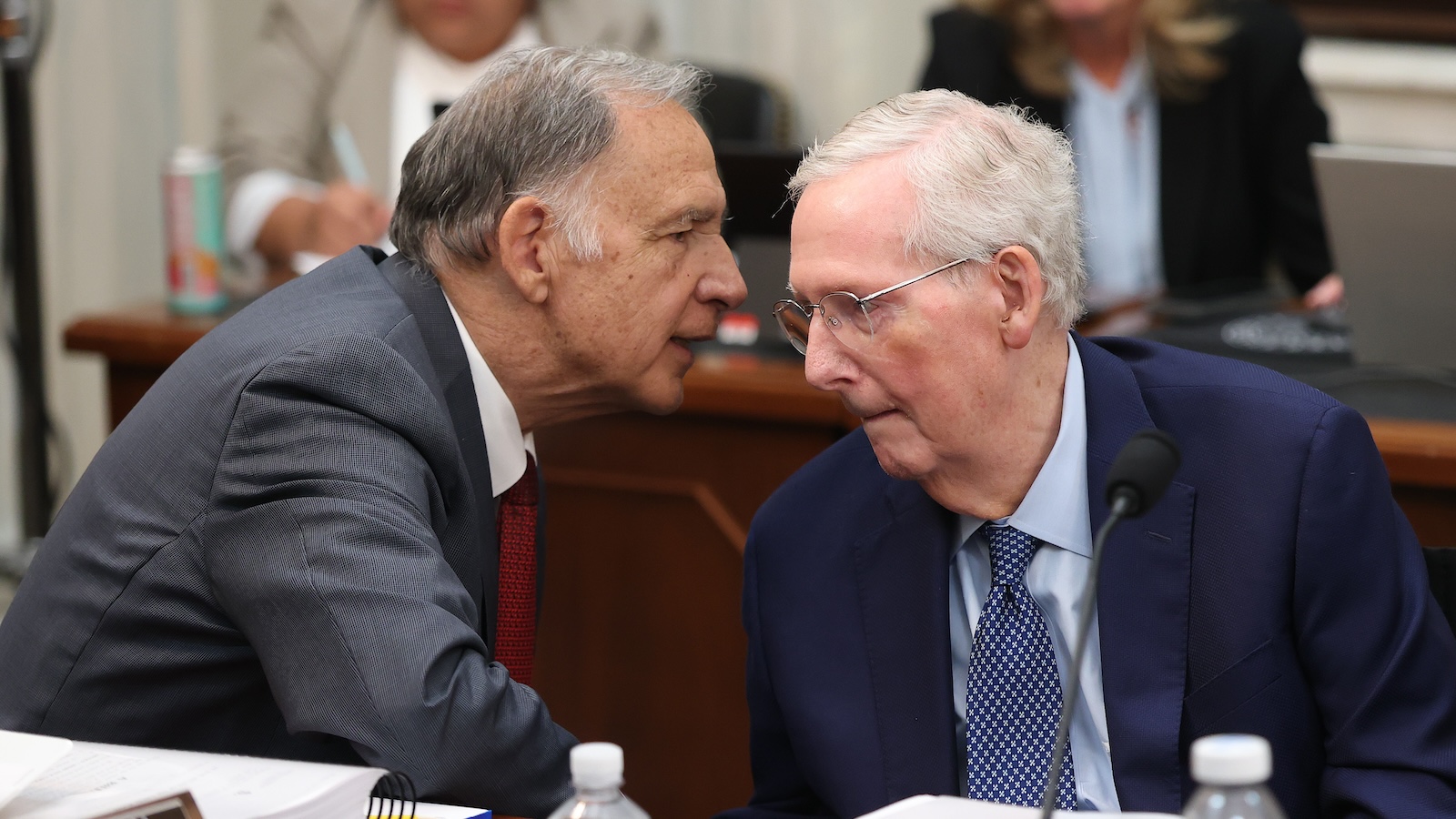
- Mitch McConnell returned to Congress last Tuesday after a three-month absence and cast a deciding vote in the Senate agriculture committee, breaking an August Democratic blockade of the farm bill.
- Senate Republicans hold 53 seats but need 60 votes to pass the bill, meaning they must sway multiple Democrats — a tall order with midterms in November.
- Senate Democrats are refusing to support the draft because it neither restores SNAP cuts from Trump's One Big Beautiful Bill Act nor delays a cost-sharing change that would raise states' administrative expenses for the program.
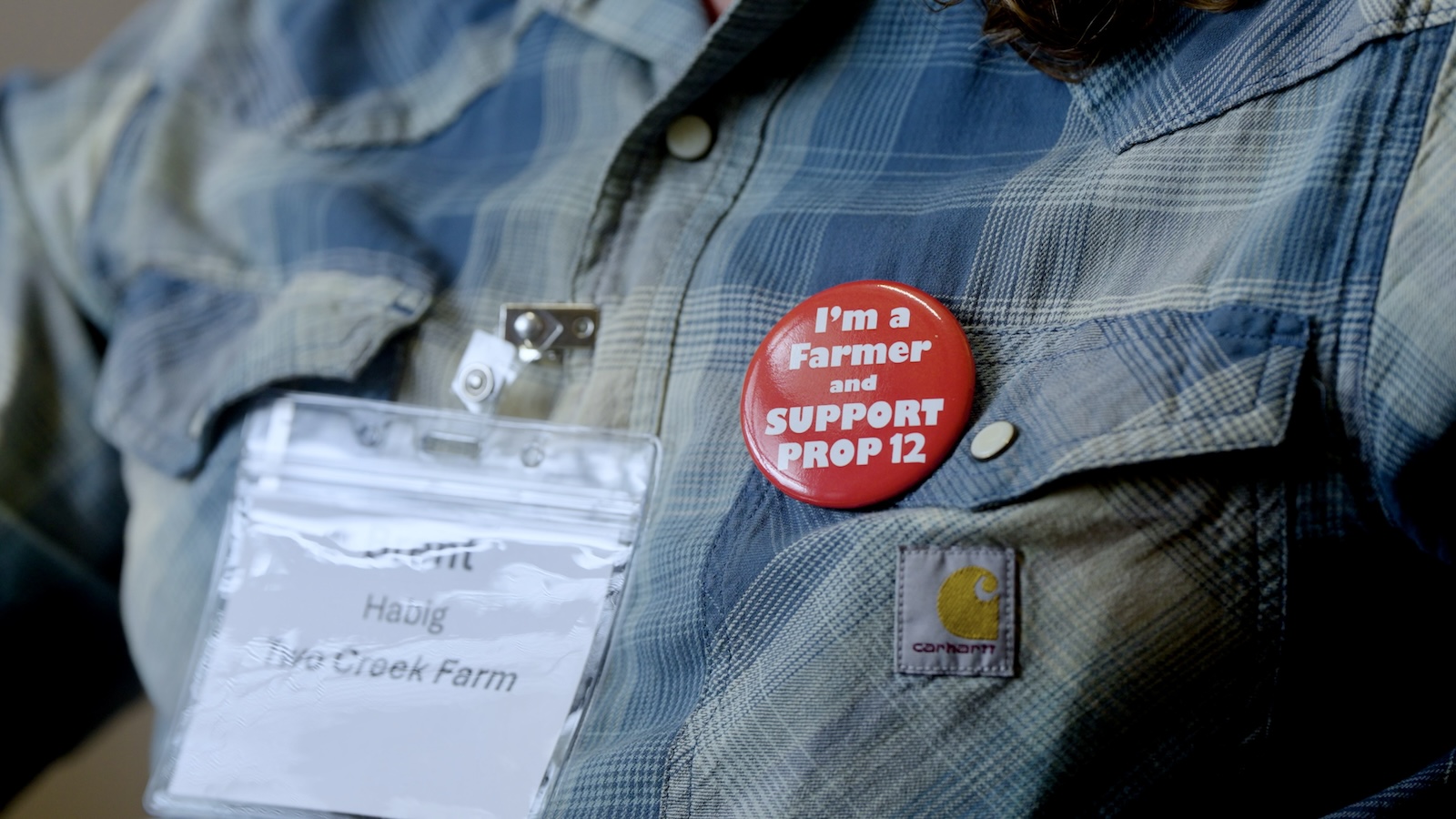
- Rural farmers stand to lose customers if SNAP funding isn't restored, since rural areas have higher SNAP participation than urban areas, according to FACE Ag Network's Jody Osmund.
- State agriculture departments could see budget pressure, with the National Sustainable Agriculture Coalition's Mike Lavender warning states may be forced to choose between funding SNAP, education, or transportation.
- Small and medium-sized farmers face a tougher financial calculus due to rising input costs and unstable trade markets, with corporate farms less exposed to these decisions.
- Livestock producers won one bright spot: the bill excludes the Save Our Bacon Act, which would have eased restrictions on caging and confining animals, though conservation programs like EQIP and CSP still face cuts.
Why it matters: If Congress fails to pass a farm bill — the fourth straight renewal failure — federal agricultural programs continue on stopgap funding through 2027, with $186 billion in SNAP cuts from Trump's One Big Beautiful Bill Act remaining in force and forcing states into painful budget trade-offs between food assistance and other priorities like education and transportation.
Ask SkimNews