UT Austin patch speeds REM sleep by 43 minutes — SkimNews

SkimNews Take
By reaching deep brain regions without surgery, ultrasound neuromodulation undercuts the surgical-implant paradigm that has defined deep brain stimulation for decades, shifting the practical bottleneck toward acoustic targeting precision.
Get the Health newsletter
Daily health & science — research, biotech, public health, the studies worth knowing. Free.
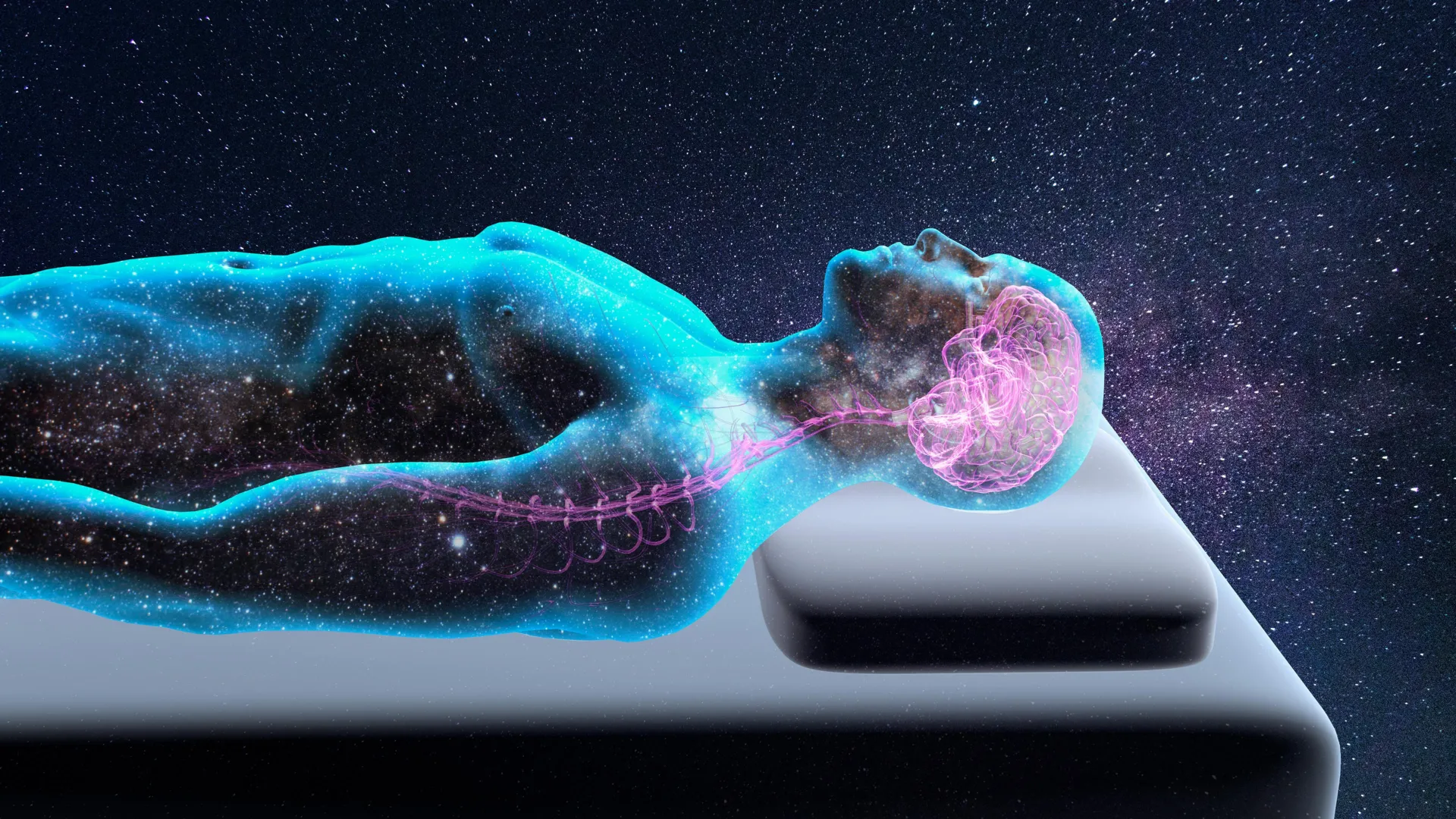
- NEUSLeeP patch combines gentle ultrasound stimulation with electrodes that track brain activity in real time, enabling it to influence deep brain regions involved in REM sleep while simultaneously monitoring the brain's response.
- Study of 28 participants published in Nature Communications found users entered REM sleep 43 minutes sooner and remained in that stage about 16 minutes longer, with benefits reported in both healthy sleepers and those with some sleep difficulties.
- Lead researcher Kai Wing "Kevin" Tang, a recent UT biomedical engineering Ph.D. graduate, said the device marks the first time researchers have noninvasively targeted deep REM-related brain regions while monitoring brain activity at the same time.
- Healthy participants showed increased heart rate variability — a marker of stress adaptation — and brain imaging revealed changes in emotion-linked circuits, which co-PI Gregory Fonzo of Dell Medical School said suggests the device may support emotional reset and resilience.
- Researchers plan larger trials targeting PTSD, depression, and chronic insomnia, and are working with UT's Discovery to Impact commercialization unit, with a patent already filed for the device.
Why it matters: For the millions whose REM disruptions are tied to depression, anxiety, and PTSD and who rely on sleep medications with side effects, a noninvasive patch that both stimulates and monitors deep brain activity would represent a first-of-its-kind home alternative — if larger trials confirm the 28-person results.
Ask SkimNews