Tesla Cybertruck Powershare finally backs up homes with a Powerwall 3 — SkimNews
Get the Energy newsletter
Daily energy & climate — solar, EVs, oil, the policy fights and tech bets shaping the transition. Free.
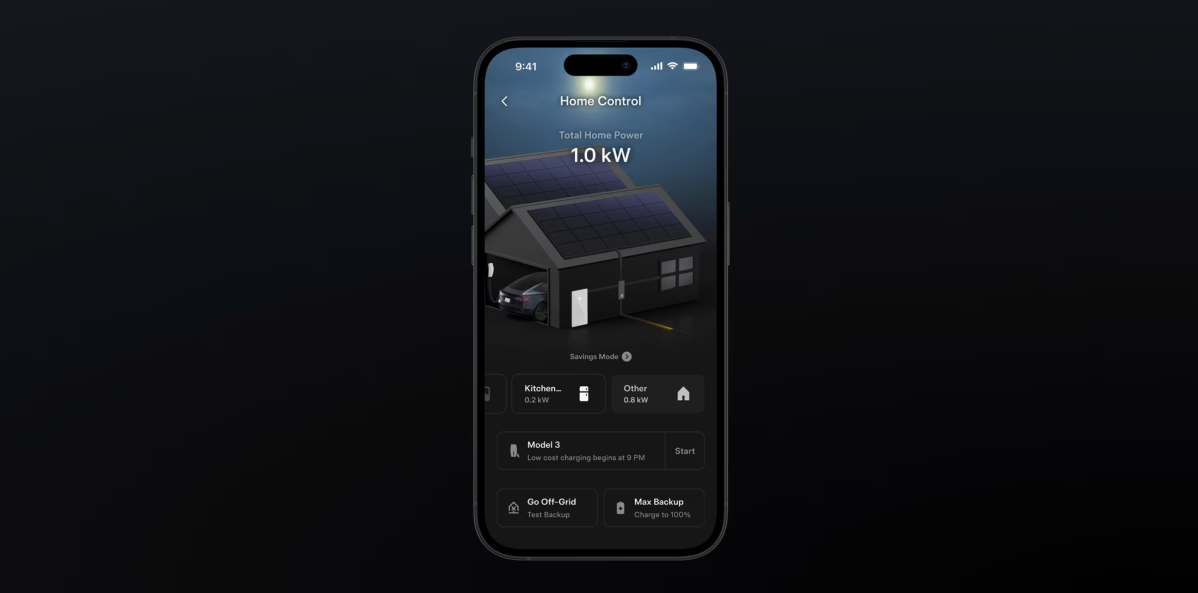
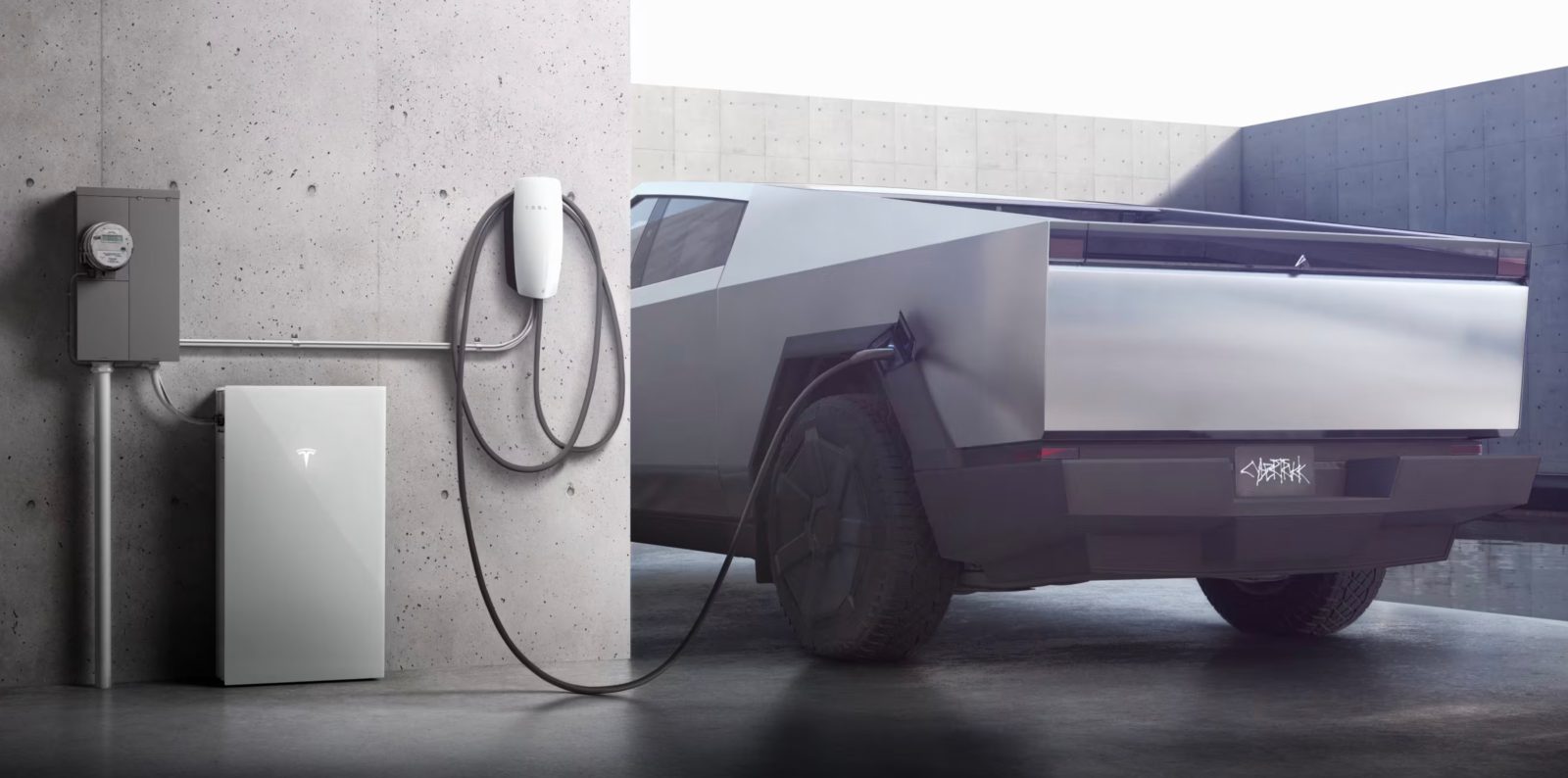
- Tesla announced Thursday that Cybertruck Powershare can now back up a home alongside a Powerwall 3, delivering more than three days of combined backup power — equivalent to nine extra Powerwalls, since the truck's 123 kWh pack matches roughly nine Powerwall units at 13.5 kWh each
- The Powershare–Powerwall gap had previously forced owners to pick one or the other: a home with a Powerwall couldn't use the truck as backup, making the feature useless for Tesla's existing home-energy customers
- The Powerwall integration was first promised for 2025 and arrived nearly two years after Cybertruck deliveries began in late 2023; Tesla pushed the timeline to mid-2026 as recently as December 2025
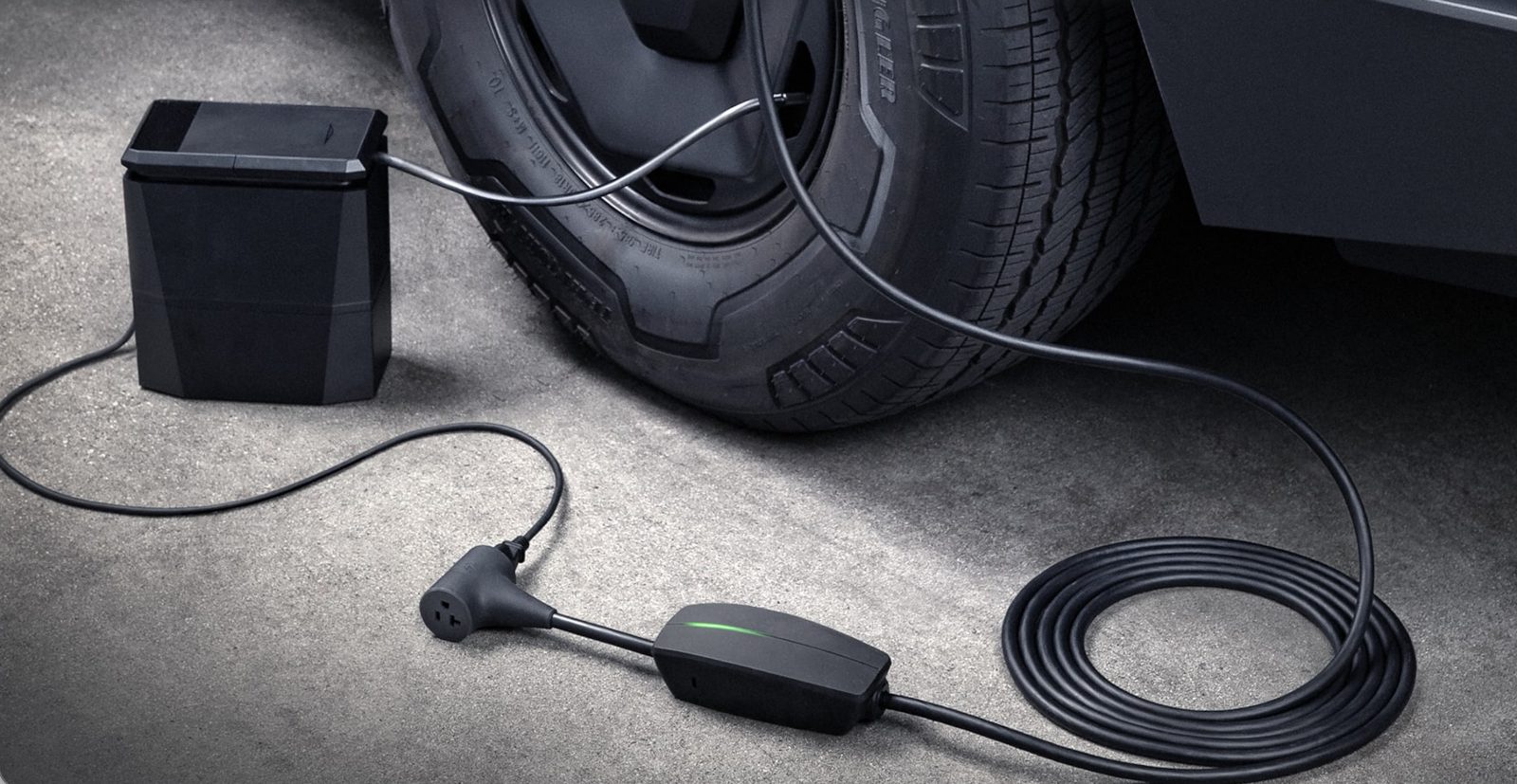
- Powershare pushes up to 11.5 kW into the home and requires a Universal Wall Connector and Powershare Gateway, hardware that runs around $4,000 installed — though some owners were quoted over $30,000
- Cybertruck lead engineer Wes Morrill blamed the delay on engineering complexity: coordinating two grid-forming devices without a network, across different hardware generations, plus grid-safety certifications took longer than expected
- Tesla also expanded the Cybertruck's grid role earlier this year with a vehicle-to-grid program in Texas in February and California's first AC vehicle-to-grid asset through PG&E in April
Why it matters: Existing Powerwall owners — the buyers most likely to want truck-based backup — were previously locked out of the feature entirely. They now gain the largest benefit: their existing $4,000+ home battery hardware extends backup runtime rather than being bypassed by the truck, finally turning the Cybertruck into a real piece of the home energy stack.
Ask SkimNews