North Korea Tests Missiles With Cluster Warheads — SkimNews
Get the Geopolitics newsletter
Daily geopolitics — wars, elections, sanctions, the diplomatic moves that move markets. Free.
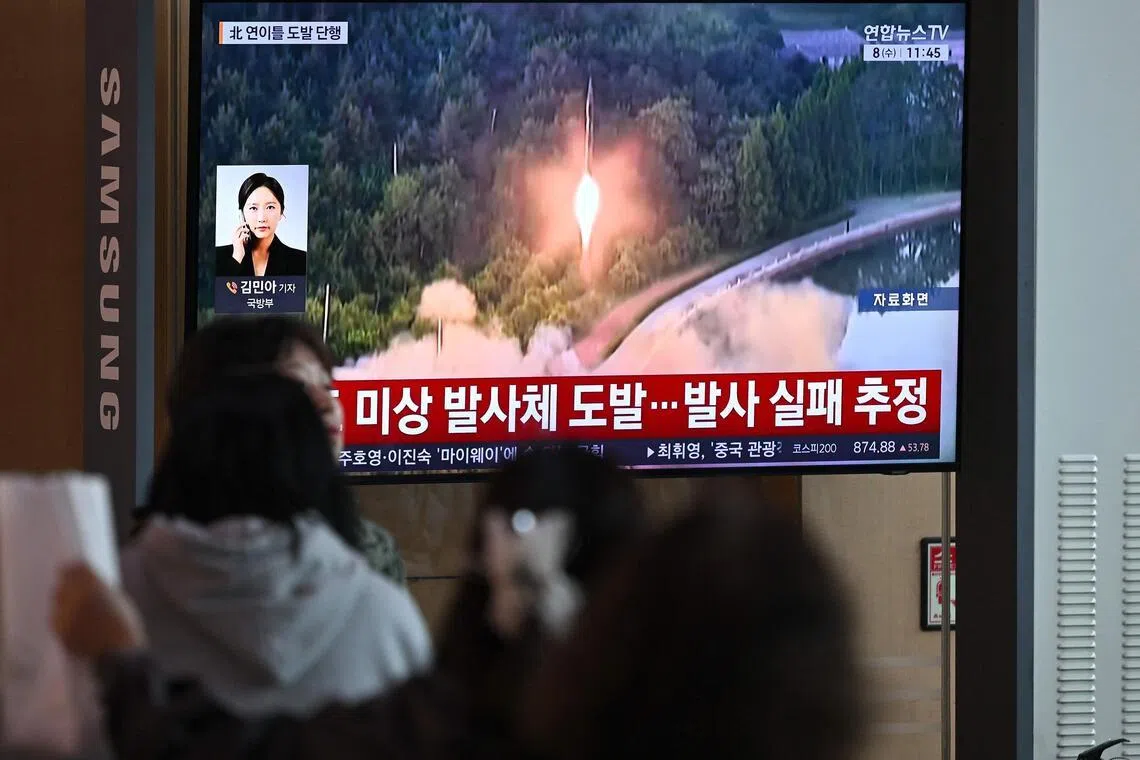
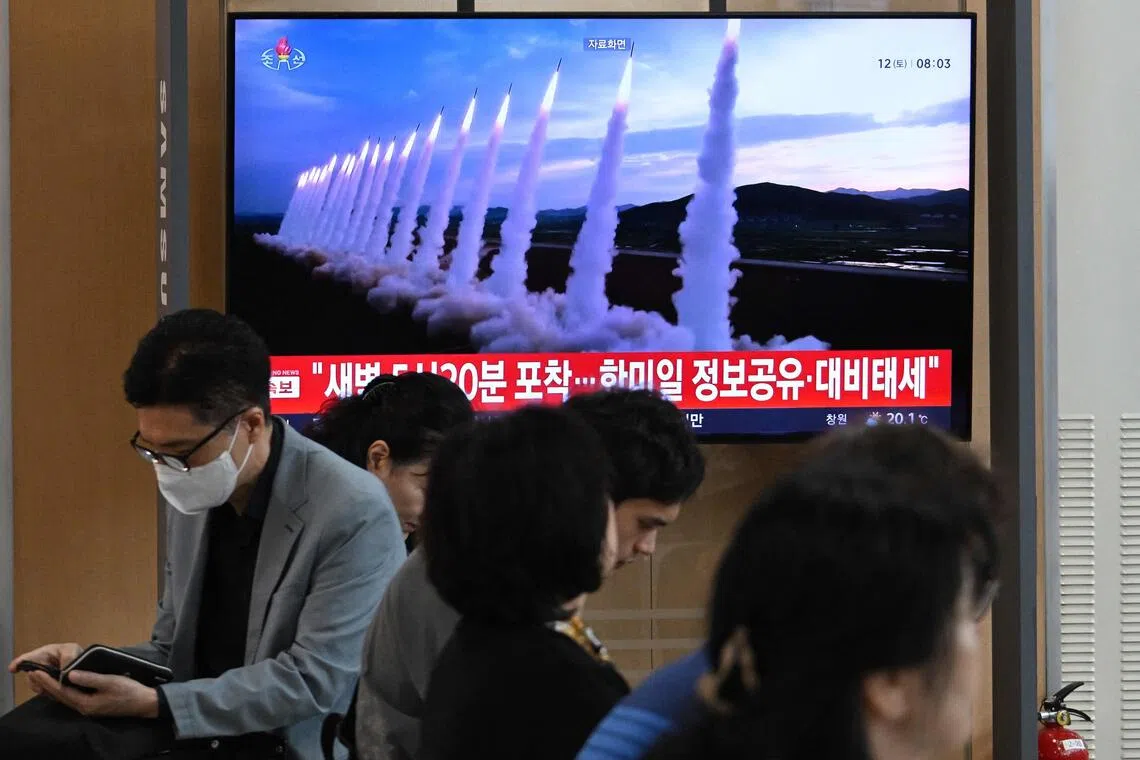
- North Korea tested ballistic missiles armed with cluster-bomb warheads, according to state media, marking a new development in its short-range, maneuverable missile systems designed to evade defenses.
- Korean Central News Agency reported the three-day tests included Hwasong-11 missiles with cluster munitions capable of destroying targets across 6.5–7 hectares, alongside demonstrations of electromagnetic weapons and carbon-fiber bombs.
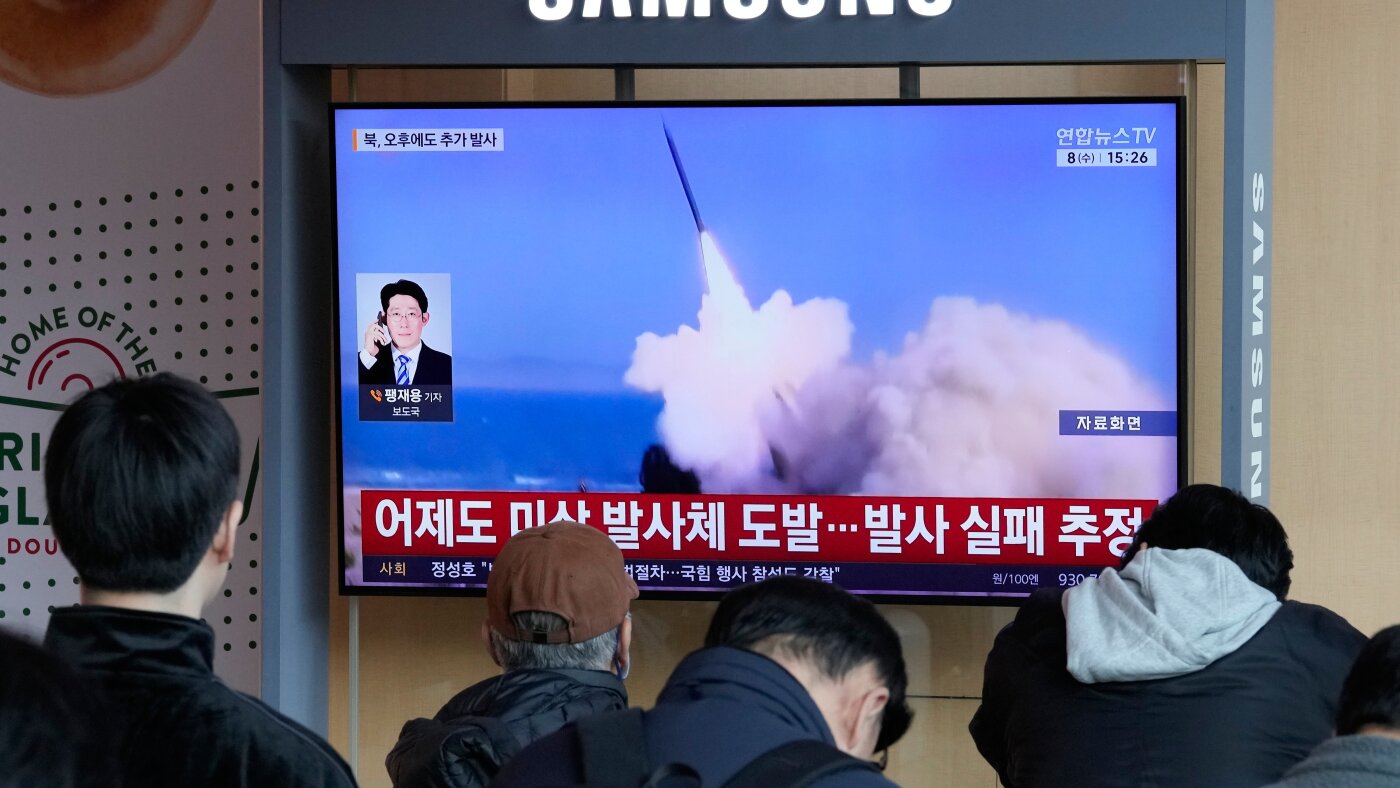
- South Korea's Joint Chiefs of Staff detected multiple missile launches from North Korea, including projectiles fired from near Pyongyang and an eastern coastal area, with flights ranging from 240 to 700 kilometers into the sea.
- Japan's Defense Ministry confirmed the missiles did not enter its exclusive economic zone, while the U.S. military stated the launches posed no immediate threat to the U.S. or its allies.
- Jang Do-young, spokesperson for South Korea's military, said Seoul is analyzing the launches and sharing data with U.S. and Japanese counterparts but declined to assess North Korea’s claims of technical progress.
- Jang Kum Chol, North Korea's first vice minister of foreign affairs, declared South Korea the 'most hostile enemy state' and dismissed Seoul's outreach efforts as foolish, signaling no shift in Pyongyang's stance.
Why it matters: North Korea’s deployment of cluster warheads on maneuverable short-range missiles increases the destructive potential per launch, making defenses less effective and raising the cost of conflict for South Korea and U.S. forces in the region. This shift signals a tactical evolution, not just a numerical buildup.
Ask SkimNews