Blocking MEK keeps cancer-fighting T cells from burning out — SkimNews
Get the Health newsletter
Daily health & science — research, biotech, public health, the studies worth knowing. Free.
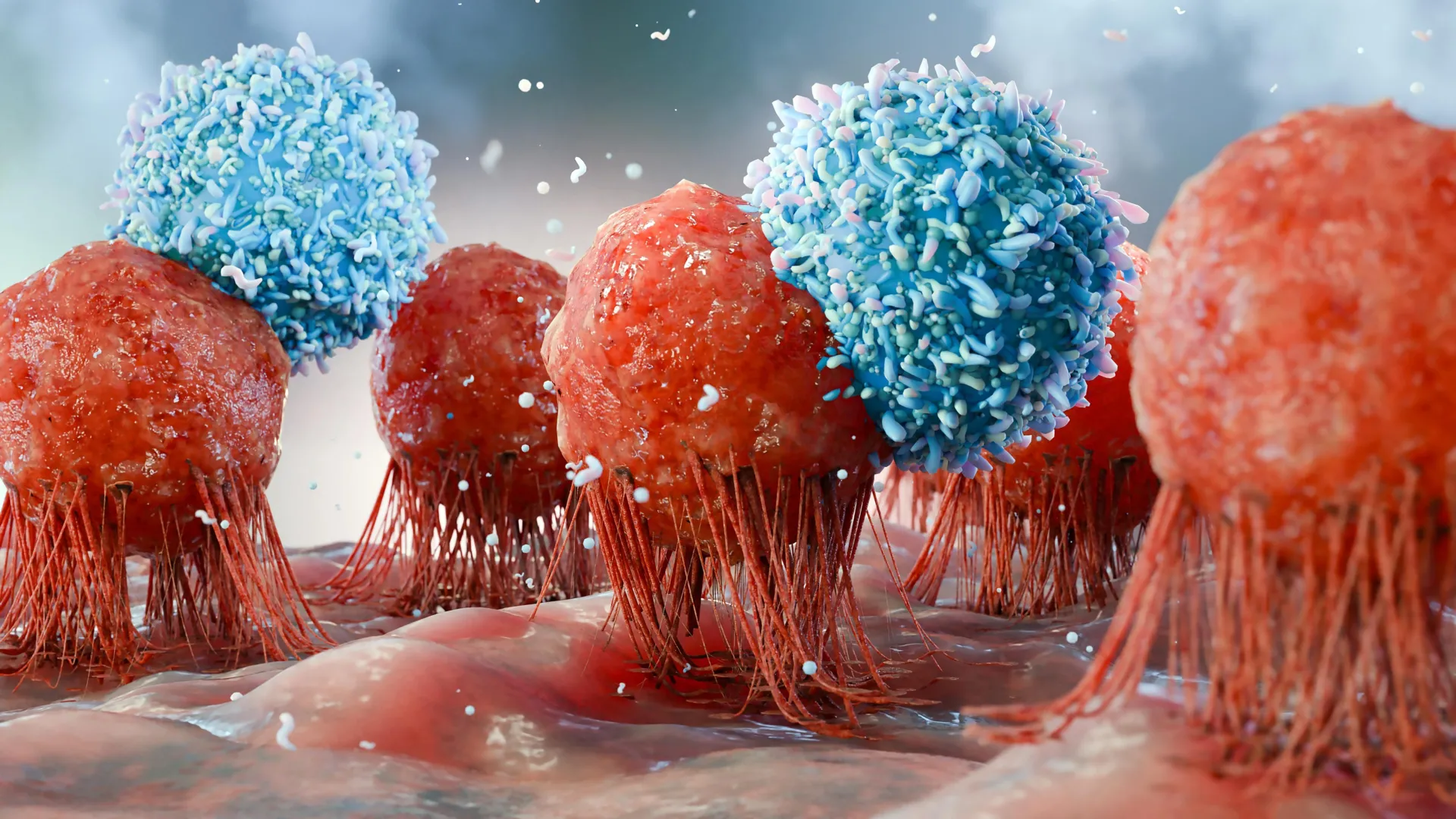
- Memorial Sloan Kettering Cancer Center researchers identified the signaling molecule MEK as a key driver of T cell exhaustion, with the findings published in the journal Immunity based on animal and laboratory studies led by Dr. Santosha Vardhana's lab.
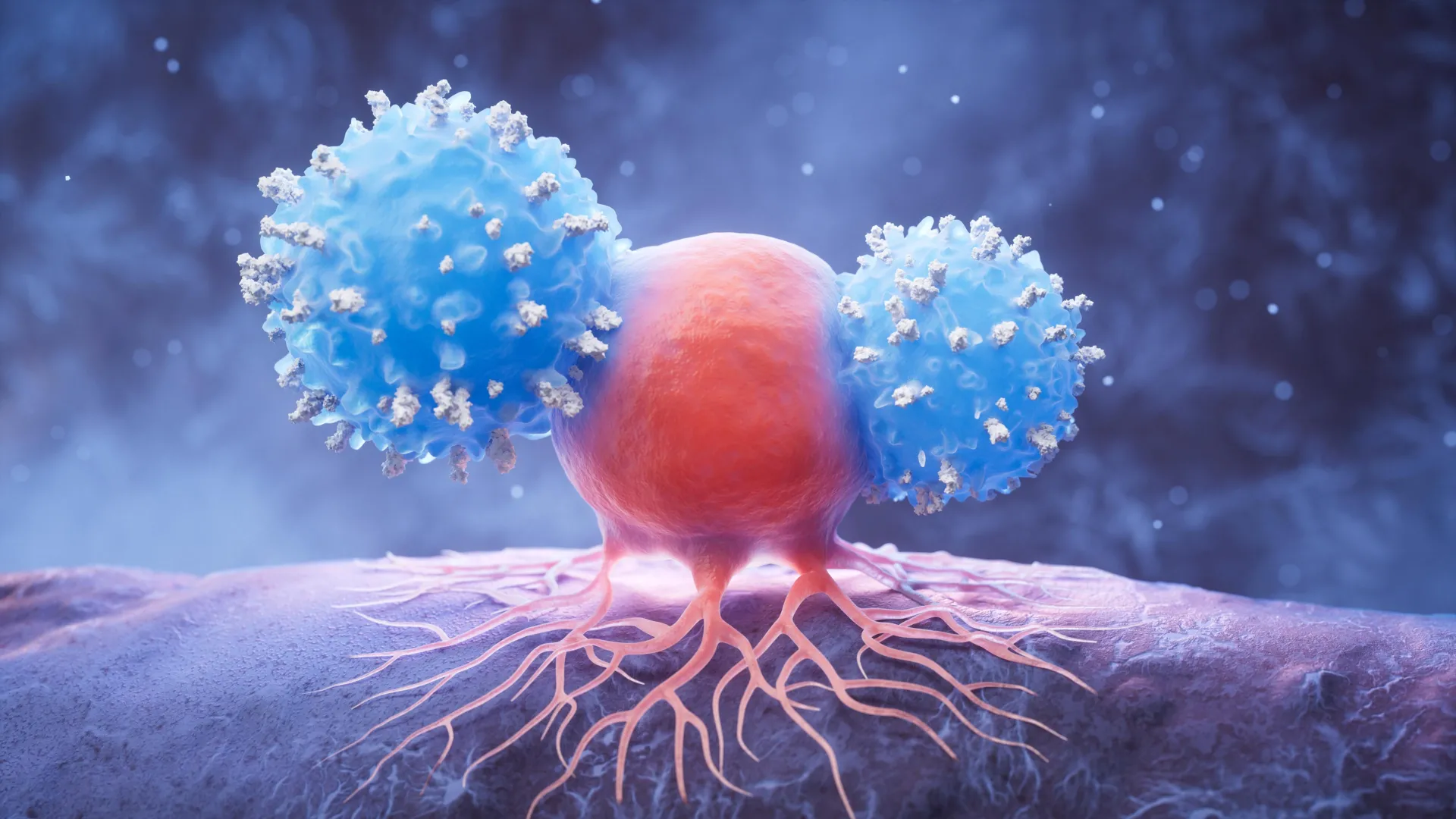
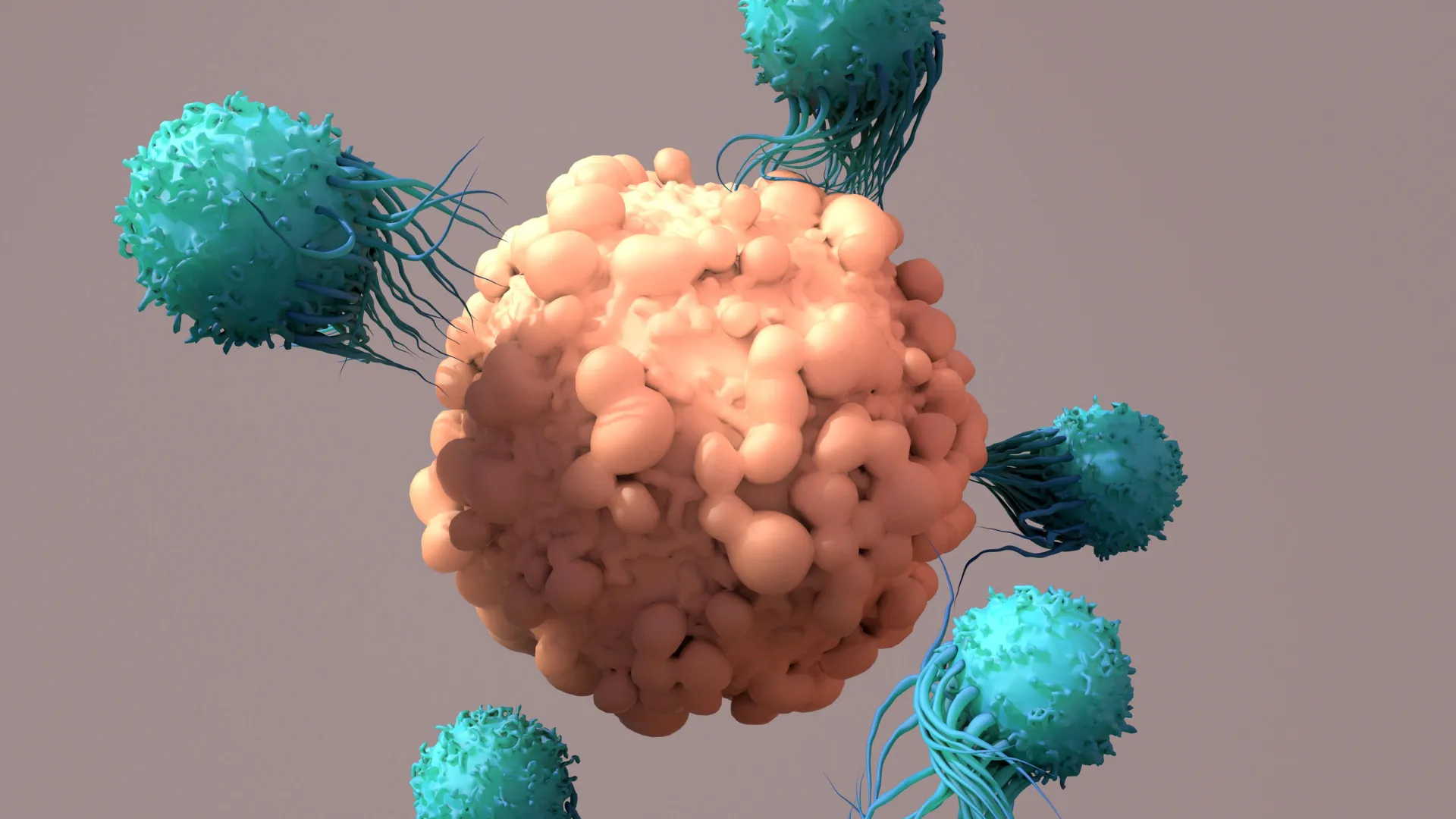
- First author Tanmana Mitra, PhD and colleagues found that exhausted T cells are not metabolically sluggish but highly active — investing enormous resources into producing cancer-killing proteins, reframing exhaustion as 'excessive energy demand' rather than too little energy.
- Blocking MEK allowed T cells to multiply more while consuming less energy, with the treated cells persisting and remaining capable of self-renewal even in the difficult conditions surrounding a tumor.
- MEK inhibitors are already FDA-approved for other uses, and Dr. Vardhana said this approach could be tested in humans 'without much delay' — though he cautioned the strategy is not right for every cancer patient.
- Researchers identified two patient groups most likely to benefit: those with large tumors or relatively few immune cells capable of recognizing the cancer, where a sustained slower response may beat a short intense one; patients with small, mutation-rich tumors may do better with traditional full-intensity immunotherapy.
- Potential applications span multiple immunotherapy types, including checkpoint inhibitors (where MEK inhibition has already shown effectiveness in melanoma combined with BRAF inhibitors), CAR T cell therapy, tumor-infiltrating lymphocyte therapy, and bispecific antibodies.
- MSK immunologist Andrea Schietinger, PhD, previously established that T cell exhaustion can be a protective 'safe mode' — meaning MEK inhibition involves a tradeoff: T cells survive longer but attack with less intensity.
Why it matters: Because MEK inhibitors are already FDA-approved, this finding could move into human testing quickly for the patients who need it most — those with large tumors or few tumor-recognizing immune cells, who often watch a brief response to checkpoint inhibitors fade. The reframing of exhaustion as overwork rather than weakness gives clinicians a tunable dial: conserve T cells for a longer campaign, or let them sprint in patients already close to the finish line.
Ask SkimNews