How to build a highway in the age of climate change — SkimNews
SkimNews Take
Choosing a half-billion-dollar rebuild over the costlier retreat option locks the corridor into perpetual adaptation cycles, since preserving the same flood-vulnerable footprint virtually guarantees the next costly fix.
Get the Energy newsletter
Daily energy & climate — solar, EVs, oil, the policy fights and tech bets shaping the transition. Free.
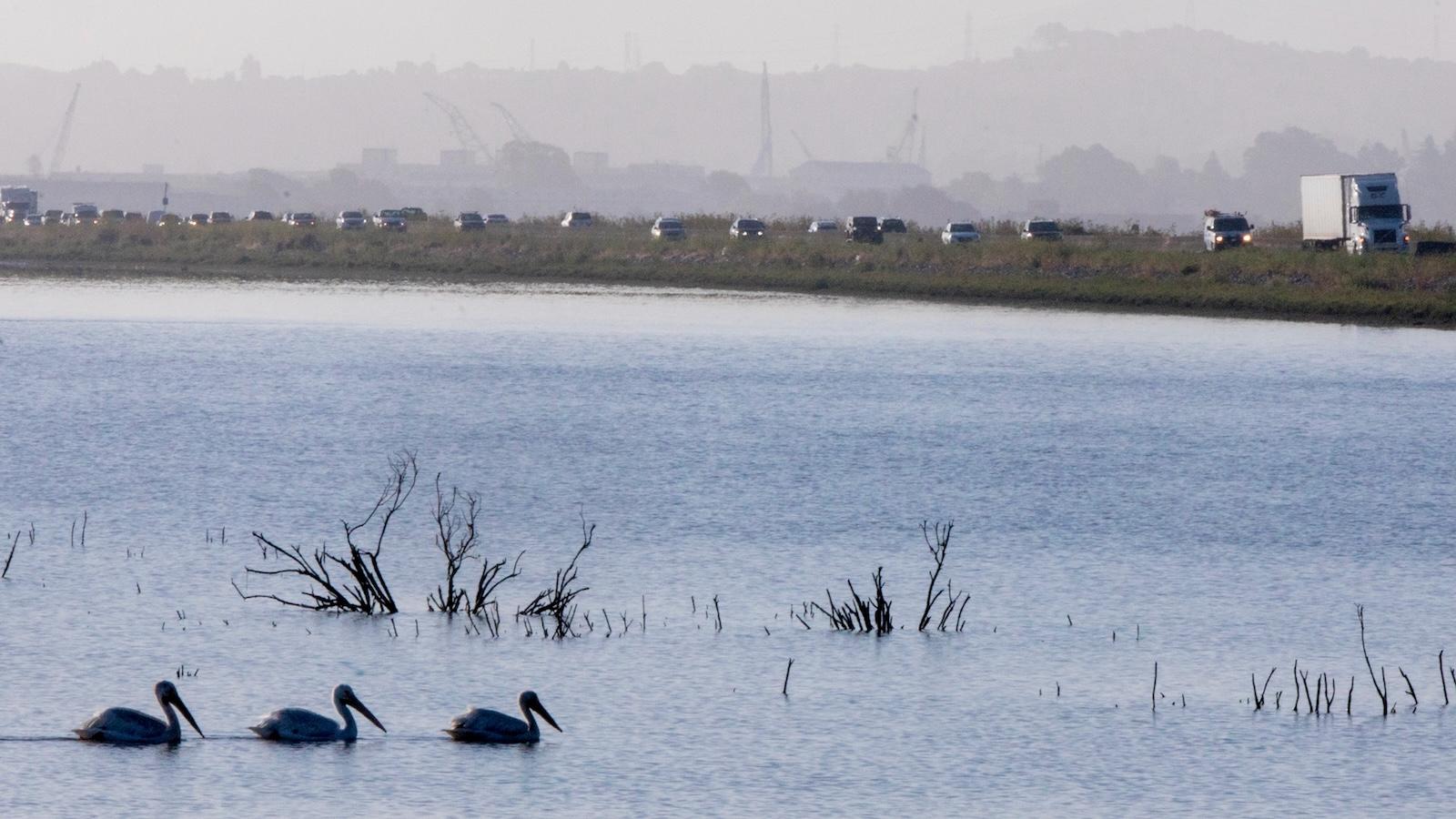
- California State Route 37 faces a $500 million, five-year remake that will replace one of five bridges with a span 5 feet taller, raise two one-mile sections by up to 8 inches, add carpool and bus lanes in each direction, and restore tidal marsh — though without adaptation, portions are at risk of permanent inundation by 2050.
- The Metropolitan Transportation Commission has secured $270 million to replace the Novato Creek Bridge as the first phase of a longer-term project designed to accommodate sea-level rise and storm surges on SR-37 until 2130.
- TransForm CA's Zack Deutsch-Gross called the current plan "egregious," arguing "highway expansion does not solve congestion and will worsen climate change," and pushing for a $10 billion, 20-year overhaul that would raise almost the entire roadway, add bike and pedestrian lanes, and possibly include rail tracks.
- UC Davis Road Ecology Center's Fraser Shilling, who has studied SR-37 since 2010, recommends "strategic retreat" — moving the highway as much as 5 miles inland — and called the current berm plan "the least resilient" option, since a raised highway "would still rest precariously on mud."
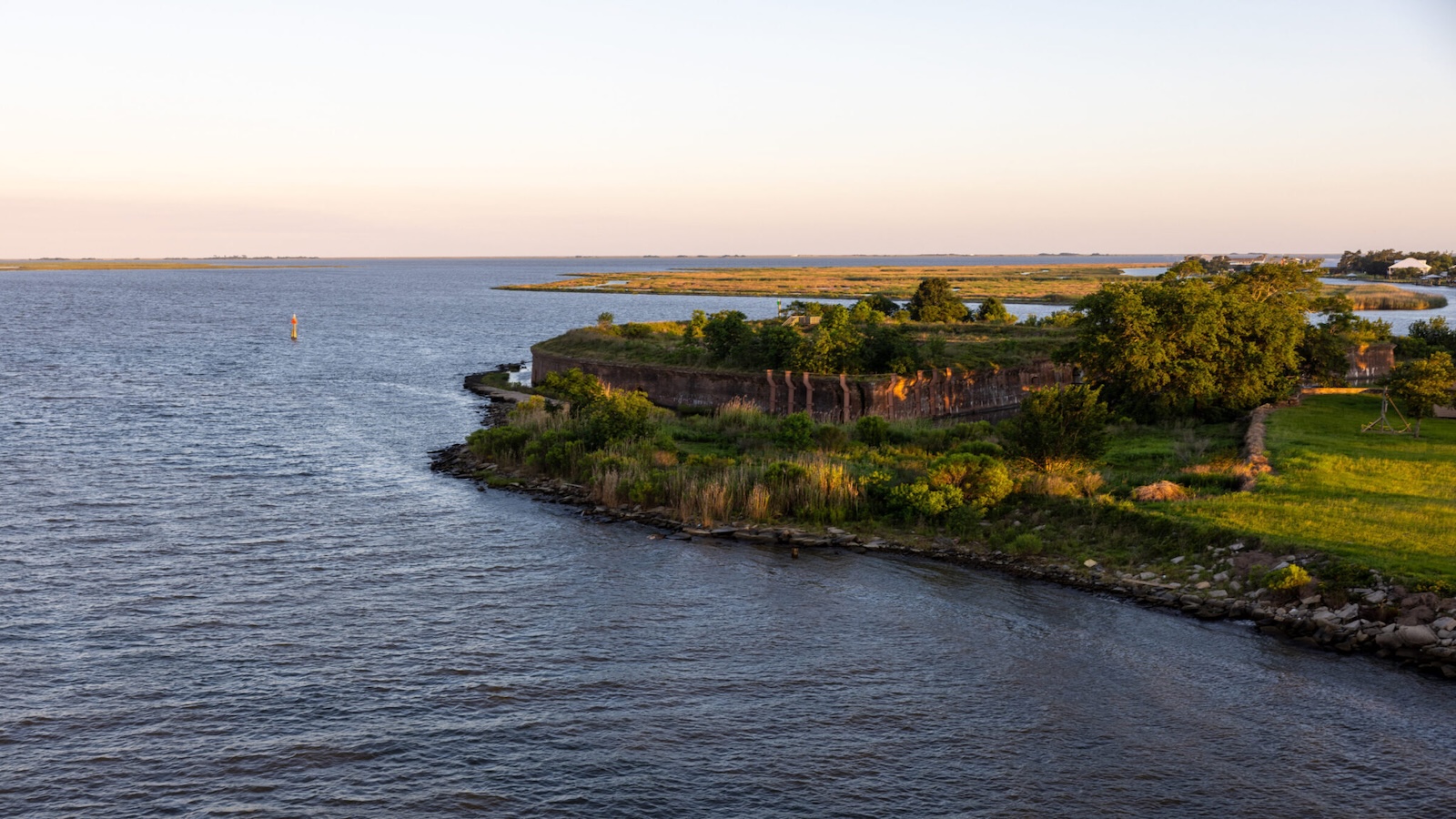
- Tybee Island's 11-mile causeway to the mainland near Savannah closed four times in 2024, stranding residents for up to five hours; Hurricane Ian flooded Florida's 3-mile Sanibel Causeway in 2022 before the state reopened it in 15 days.
- Nature-based solutions — pocket beaches, oyster reefs, and living shorelines — are gaining traction as wave-energy absorbers; Tybee Island recently added three rain gardens along Highway 80 using funding from the National Fish and Wildlife Foundation.
Why it matters: California's SR-37 choice pits a $500 million incremental fix against a $10 billion full rebuild — and climate advocates argue the cheaper plan directly undermines the state's own emissions goals by adding lanes to a road where portions may be permanently underwater by 2050 and California could see 1.6 to 3.1 feet of sea-level rise by 2100.
Ask SkimNews